The Quiet Industry of Looking Unchanged
Some products arrive as objects; others arrive as moods, promises, and tiny shifts in how people imagine themselves.
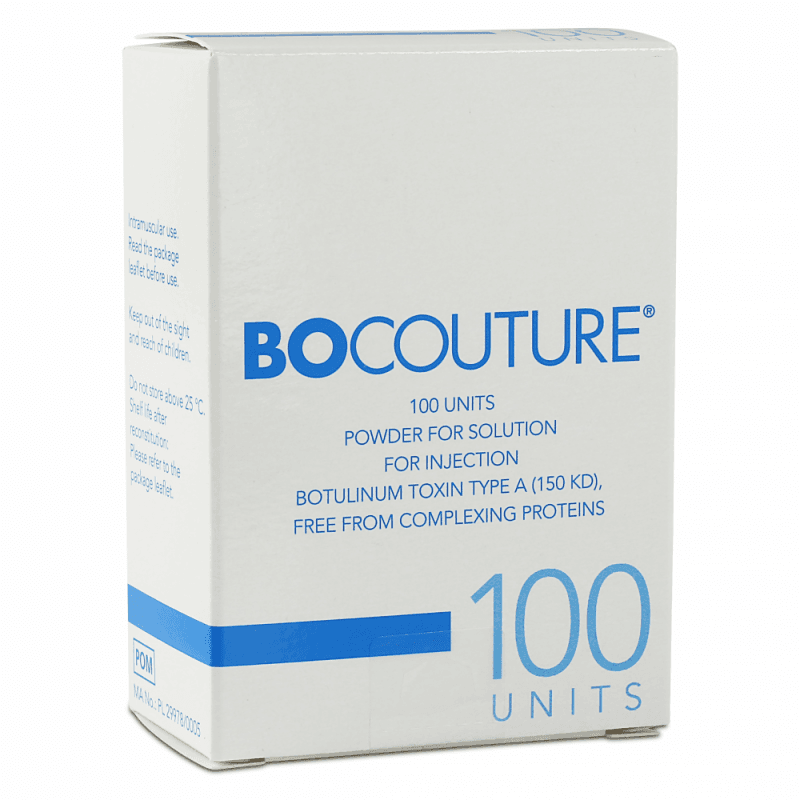
There’s a particular kind of modern product that doesn’t announce itself with noise. It moves through conversations in fragments—mentioned between appointments, folded into routines, attached to expressions like “just a little” or “nothing dramatic.” Its presence is less about spectacle than about calibration, which may be why it feels so emblematic of the current moment.
Names in this world often sound polished, almost architectural. They suggest precision, restraint, a smooth edge. That matters more than it first appears to. People are rarely responding only to an item itself; they’re responding to the atmosphere around it. The language of refinement has become a product in its own right, shaping expectations before anything is opened, booked, or discussed in detail.
Aesthetic culture loves the nearly invisible
For years, so much of consumer culture was built around obvious transformation. Before-and-after thinking ruled everything. Bigger, brighter, bolder. Now the fantasy often seems subtler. The preferred result, at least in how people talk about it, is frequently to look the same—but somehow more rested, more composed, more in tune with the face they believe they’re supposed to present to the world.
That shift says something interesting about taste. It also says something about pressure. When the ideal becomes “barely noticeable,” the standard can become strangely difficult to name. If nothing dramatic is meant to happen, then every small change gains symbolic weight. A softened line, a fresher impression, a sense that someone looks like they slept well even if life says otherwise—these become the new luxury signals.
And because they are subtle, they travel well socially. They can be denied, downplayed, or framed as routine maintenance. They belong to a culture that increasingly values effort disguised as ease.
The product is never just the product
What makes a name like this interesting isn’t only what category it belongs to. It’s the ecosystem surrounding it: clinics with calm interiors, minimalist packaging, carefully chosen words, the gentle merging of beauty, confidence, and professionalism into a single visual language. These things are sold as choices, of course, but they are also narratives about self-management.
That may be why such products attract curiosity beyond their direct use. They tell a story about what contemporary adulthood looks like. Not reinvention exactly, but upkeep. Not vanity in the loud old caricatured sense, but a tidy form of stewardship over one’s image.
Somewhere along the way, appearance became less of a separate category and more of an administrative task. Skin, expression, fatigue, presence—these are discussed with the same calm optimization mindset once reserved for planners, gym memberships, and inboxes. Looking “well” has become part of seeming organized.
A strange kind of intimacy
There is also something revealing about how quietly these topics now circulate. People who would once have treated aesthetic interventions as private or taboo often speak about them with a casualness that feels almost domestic. Not always publicly, but within trusted circles. The conversation is no longer only about glamour. It’s about maintenance, timing, preference, and the small rituals people build to feel aligned with themselves.
That doesn’t make the subject shallow. In fact, the opposite may be true. These conversations touch identity, aging, work, visibility, and control. They sit right at the intersection of how people wish to be seen and how they cope with being seen all the time.
The camera-ready culture of daily life has changed the emotional weather around these decisions. Faces are encountered in mirrors, yes, but also in front-facing lenses, video windows, and high-resolution snapshots taken in indifferent lighting. The self becomes a recurring image feed. It’s no surprise that refinement has become one of the era’s dominant desires.
More mood than object
Seen from a distance, a product page like this listing can feel less like a simple entry in a catalogue and more like a tiny portal into that larger world. Not because it explains everything, but because it hints at the values surrounding it: discretion, polish, managed perception, the appeal of controlled change.
That is what makes this category so culturally interesting. It exists somewhere between beauty, psychology, branding, and social performance. People may arrive thinking they are looking at a standalone item, but what they are really encountering is a compact version of a much broader aspiration: the hope that a person can adjust the surface of life without disturbing its deeper sense of self.
Whether one finds that moving, unsettling, ordinary, or all three at once, it captures something unmistakably contemporary. We live in an age fascinated by edits that don’t look like edits, by labor that disappears into the result, by choices meant to preserve the impression that no choice was ever necessary.
And maybe that is why these names linger. They represent more than a category. They reflect a wider cultural wish—to remain recognizably ourselves while quietly negotiating the visible passage of time.