The quiet language of relief
A reflective look at private discomfort, daily rhythms, and the small vocabulary people build around feeling more at ease.
There are some words people rarely say loudly.
They sit at the edge of conversation, wrapped in politeness, humor, or a sudden change of subject. We have become fluent in discussing productivity, sleep rituals, hydration bottles, morning routines, and the emotional architecture of a well-planned week. Yet the body still has its own quiet agenda, and not all of it fits neatly into the bright language of wellness.
Digestive discomfort belongs to that more private category. It is ordinary enough to be familiar, but intimate enough to feel difficult to name. It can shape a day without announcing itself dramatically. It can make a calendar feel heavier, a commute more complicated, a dinner invitation less spontaneous. Even when nothing looks different from the outside, a person may be arranging their mood, wardrobe, errands, and confidence around an internal sense of unease.
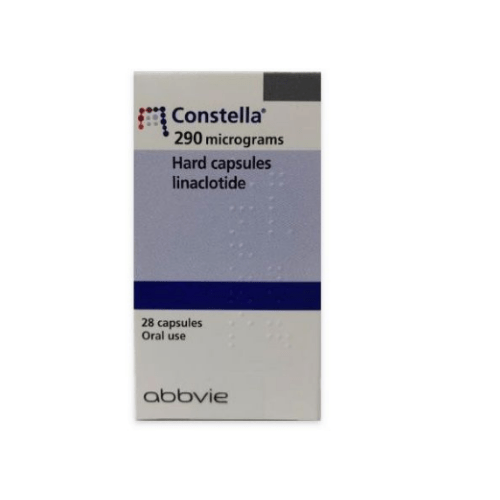
That is part of what makes the cultural space around products like Constella interesting. The name itself sounds almost celestial, as if borrowing from constellations, maps, and points of orientation. Whether someone encounters it in a practical context or simply notices the name in passing, it points toward a larger human pattern: the desire to locate relief somewhere, to give shape to something that otherwise feels vague and inconvenient.
The body as an unplanned narrator
Modern life asks for consistency. We make appointments weeks in advance. We answer messages in minutes. We expect our bodies to keep pace with calendars, deadlines, flights, school runs, and social plans. But the body is not always a loyal assistant. Sometimes it behaves more like an old house: creaking, settling, interrupting, reminding us that maintenance is not the same as control.
This is where discomfort becomes more than a physical sensation. It becomes a mood. It changes how someone enters a room. It can turn attention inward at the very moment the world expects outward ease. There is a particular frustration in feeling preoccupied by something invisible, especially when the language available for it feels either too clinical or too casual.
So people develop private vocabularies. They say they feel “off.” They say their stomach is “not great.” They cancel without explaining. They wear the comfortable jeans. They choose the aisle seat. They become experts in small negotiations that no one else sees.
Why naming matters
A name does not solve discomfort, but it can reduce its shapelessness. This may be why health-related language has such a strange power in everyday life. A brand name, a phrase overheard in a pharmacy, a term typed into a search bar late at night—each can make a private experience feel less isolated.
Still, there is a tension. The more formal the language becomes, the more distant it can feel from lived experience. The more casual the language becomes, the easier it is to dismiss what someone is actually carrying. Between those two extremes is a more human middle ground, where people are not looking for drama or perfection. They are looking for a way to feel less governed by uncertainty.
That desire is not limited to digestion. It appears in sleep, stress, appetite, energy, concentration, and countless other ordinary rhythms. We want our lives to feel inhabitable. We want fewer surprises from the systems we depend on most. We want to trust the background machinery enough to pay attention to the foreground again.
The etiquette of not saying too much
There is also a social choreography around bodily discomfort. We share selectively. We test the room. We laugh before anyone else can become awkward. Some topics become acceptable only when disguised as jokes, while others remain tucked away behind euphemism.
This etiquette can be protective, but it can also be lonely. When everyone assumes they are the only one managing an unglamorous problem, ordinary human experiences begin to feel like personal failures. The polished surfaces of daily life do not help. A café table, a conference call, a family gathering—each presents a version of people who seem composed, regulated, and free from interruption.
Of course, nobody is that seamless. Everyone is carrying a body through the day. Everyone has limits, rhythms, preferences, sensitivities, and small rituals of self-management. Some are visible. Many are not.
Relief as a cultural idea
Relief is a modest word, but it contains a lot. It is not necessarily about transformation. Often, it is about returning to neutral. It is the room quieting down after a persistent noise stops. It is the ability to stop monitoring oneself. It is the difference between being present and being preoccupied.
Perhaps that is why the idea of relief feels so emotionally resonant. It suggests not escape from the body, but a better relationship with it. A little more trust. A little less bargaining. A day that belongs more fully to the person living it.
In that sense, the most interesting part of this topic is not a product name or a shelf category. It is the private hope beneath it: that the body might become less mysterious, less disruptive, and less difficult to discuss. Not perfect. Not optimized. Just more livable.
And maybe that is enough of a constellation for one day: a few points of language, experience, and quiet recognition forming a shape someone can finally point to.