The Quiet Luxury of Looking Less Altered
A small reflection on why subtle aesthetic rituals say so much about modern taste, restraint, and the desire to look like oneself—only a little more rested.
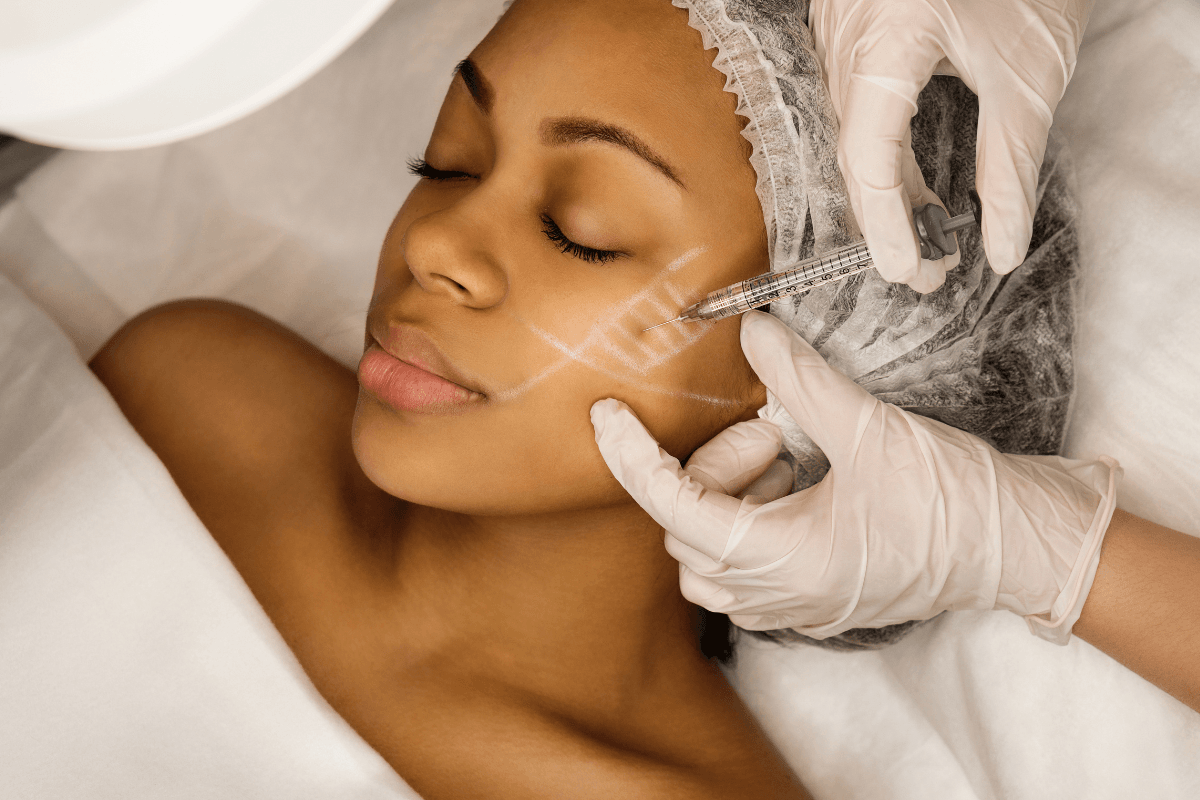
There is something revealing about the treatments people speak about in lowered voices.
Not because they are scandalous, exactly. More because they sit in that modern space between beauty routine and personal philosophy. A cream can be left on a bathroom shelf in plain sight. A haircut announces itself the moment you walk into a room. But the newest aesthetic rituals often arrive with a different promise: not transformation, but a kind of edited continuity. You, only slightly less interrupted by stress, weather, lighting, or time.
That is part of why injectable skin treatments have become such an interesting cultural object. They are discussed in clinics, in group chats, in mirrors, in passing comments between friends who swear they are “doing less” while clearly paying close attention. The language around them is careful. People don’t always want to look changed. They want to look as if life has been gentler than it has.
The appeal of the almost invisible
We live in an era that admires effort and punishes visible effort at the same time.
The ideal face in many corners of culture is polished but not polished-looking, intentional but not obvious, refreshed but never explained too loudly. That contradiction has shaped the way aesthetic treatments are framed. The fantasy is subtlety. The aspiration is not drama; it is ease.
That is what makes the conversation around treatments like Profhilo so intriguing. Even the way people encounter the subject tends to be less about spectacle and more about maintenance, mood, and impression. It enters the room not as a grand reinvention, but as part of a wider shift in how beauty is understood: less mask, more atmosphere.
In that sense, a treatment becomes more than a procedure. It becomes a signal of taste. Restraint becomes the luxury. Softness becomes the status symbol.
Clinics as spaces of interpretation
One overlooked part of aesthetic culture is that clinics are not just service spaces. They are translation spaces.
People rarely arrive with perfectly precise language for what they want. They say they look tired. Flat. Dull. Off. They gesture around the face as if describing weather. The conversation is often less technical than emotional, less about a feature than a feeling. What is being sought is not always youth in the bluntest sense. Often it is coherence—the sense that the face in the mirror matches the energy someone feels they still have.
That makes counseling, consultation, and context feel strangely central to the entire experience. Not in a dry or formal way, but in a human way. Aesthetic decisions are often stories people tell about themselves: how much change feels like too much, what looks natural to them, what they want to preserve, what they are ready to let go of.
Even a straightforward overview, like the one referenced here, becomes part of that larger ecosystem of interpretation. People are not just looking for a name. They are looking for a framework.
Beauty language has changed
A decade ago, beauty talk often revolved around correction. Fixing lines. Reversing age. Contouring the face into submission. Now the tone is softer, though no less loaded. The language leans toward glow, bounce, hydration, quality, freshness. It sounds gentler, but it still carries all the old hopes beneath it.
What has shifted is the aesthetic ideal itself.
Increasingly, people seem drawn to outcomes that are difficult to point at. Not because they are insignificant, but because they are diffuse. The desired effect is often environmental rather than dramatic, like better lighting or a week of deep sleep. This subtlety has changed consumer behavior too. People ask different questions. They are not always chasing an obvious before-and-after. They are trying to understand whether something fits their idea of themselves.
That feels important. It suggests that the modern beauty conversation is as much about identity as appearance.
The new performance of effortlessness
Of course, “natural” has become its own performance.
It can be expensive, highly curated, and surprisingly strategic. The irony is almost funny: the less altered someone wants to appear, the more thoughtful the choices may become. Skincare, treatments, lighting, water bottles, silk pillowcases, facial massage tools, carefully worded clinic consultations—the entire ecosystem gathers around the desire to look untouched.
But maybe that is why these treatments keep drawing attention. They sit right at the center of a contemporary contradiction. We want to participate in beauty culture without seeming consumed by it. We want visible radiance and invisible labor. We want people to notice, but only in the form of a question: “Have you been away?” “Did you sleep better?” “You look good lately.”
Not proof. Just suggestion.
A small mirror of the times
In the end, the fascination here may be less about any single product or clinic category than about the mood of the moment.
We are living through a period obsessed with optimization, but weary of extremity. People want refinement without harshness, intervention without spectacle, care without confession. The most modern beauty choices often reflect that tension. They are quiet on purpose.
And perhaps that is why the subject resonates beyond the treatment room. It offers a glimpse into how people now negotiate image, control, and self-perception. Not with loud declarations, but with edits so light they almost disappear.
Sometimes the most telling beauty trend is the one trying hardest not to look like a trend at all.
https://medwholesalesupplies.com/profhilo-injections-boosting-skin-hydration-and-elasticity/