The Quiet Luxury of Wanting to Look Unbothered
A polished face says many things now, but often the loudest message is how much modern beauty wants to feel effortless.
There was a time when beauty announced itself. It shimmered, contoured, lacquered, and arrived with the confidence of being seen from across the room. Lately, though, the mood feels different. The aspiration is less transformation than atmosphere: fresher, smoother, somehow more rested than the day before. Not dramatic. Not obvious. Just quietly convincing.
That shift says something interesting about the way we talk about appearance now. We still live in an image-saturated culture, but the ideal has become strangely hushed. People don’t always want to look “done.” They want to look as if nothing much happened at all, as if they simply woke up in good light and stayed there.
The new language of refinement
Even the names attached to beauty products and treatments have changed. They often sound soft, aquatic, almost weightless. “Vital.” “Light.” “Boost.” Words that suggest a whisper rather than a declaration. They hint at maintenance, not makeover; continuity, not interruption.
That is part of what makes the current beauty landscape so culturally revealing. It no longer sells only glamour. It sells seamlessness. The appeal is not merely the result, but the fantasy that the result can be folded neatly into ordinary life. A lunch break. A short appointment. A subtle shift nobody can quite place.
In that sense, aesthetics has borrowed from the language of modern convenience. We want our coffee fast, our playlists personalized, our skincare intuitive, and our self-presentation edited until it feels natural. The most desirable version of effort is now effort that leaves no fingerprints.
Softness has become a status symbol
There’s also something telling about the way comfort appears in this conversation. Contemporary beauty doesn’t just admire polish; it admires polish without visible struggle. Ease has become part of the allure. The most coveted routines are the ones imagined as smooth, calm, almost frictionless.
That doesn’t mean anyone is free from the old pressures. If anything, the standards can feel more elusive because they hide behind words like glow, freshness, and balance. The expectation isn’t theatrical perfection. It’s believable perfection, which can be harder to name and therefore harder to resist.
Still, people are good at sensing the mood of a moment, and this one is unmistakable: less spectacle, more subtle engineering. Less “look at me,” more “I’ve been sleeping well, drinking water, and minding my business,” whether or not that story is entirely true.
Beauty as background music
What fascinates me is how much of today’s aesthetic ideal works like background music. You notice it mostly when it’s off. The goal is not a new face, exactly, but a smoother social experience. To move through meetings, dinners, photos, and mirrors without interruption. To reduce visual noise.
That may be why products in this realm inspire so much curiosity. They sit at the intersection of ritual and technology, vanity and practicality, aspiration and routine. They are less about reinvention than fine-tuning the texture of how someone feels in public.
And maybe that’s the most modern part of all. We often imagine beauty as a surface concern, but it rarely stays on the surface. It touches mood, time, confidence, even the tiny negotiations of being perceived. The mirror is never just a mirror; it’s also a social instrument.
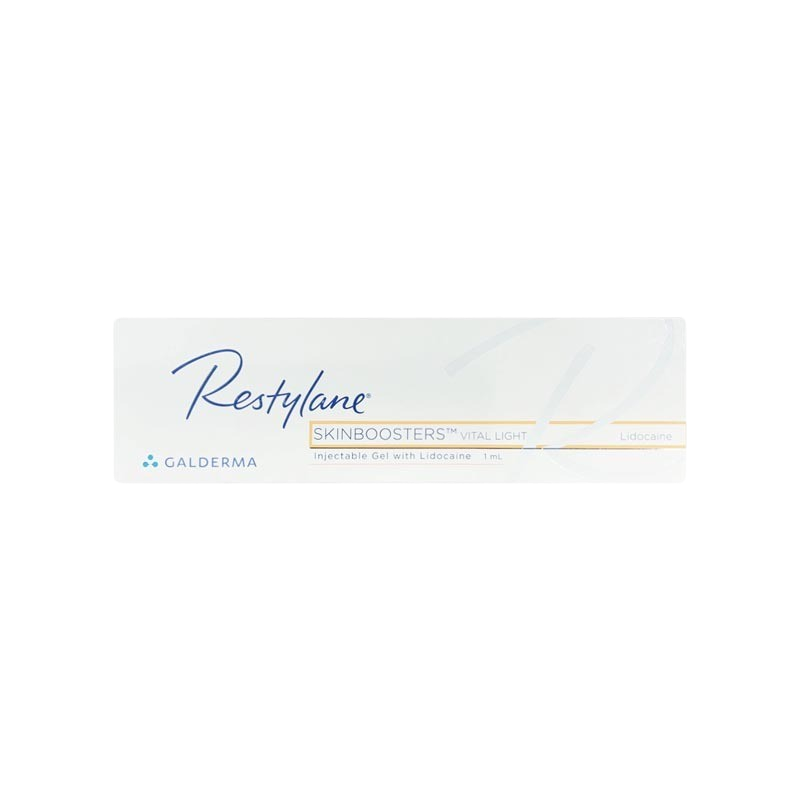
I kept thinking about that while looking at this product listing. Not because a single listing can explain a whole culture, but because it captures a recognizable tone: precision wrapped in softness, intervention framed as ease, beauty translated into the language of lightness.
The contradiction we’ve made peace with
There’s a quiet contradiction at the center of all this. We want to curate our appearance, but we don’t want that curation to read as labor. We want refinement, but we also want spontaneity. We want the visible effect and the invisible process.
Maybe that’s why the current era of beauty feels both intimate and oddly abstract. It is deeply personal, yet shaped by shared visual habits. It promises individuality, yet often points toward the same polished ideal. It invites self-expression, while gently nudging everyone toward the look of having no trouble at all.
None of this makes the desire shallow. If anything, it makes it familiar. People have always searched for small ways to align outer appearance with inner hope. What changes is the style of the hope itself. Right now, the hope seems to be this: to look cared for without looking managed, to appear luminous without appearing constructed, to move through the world with as little visible friction as possible.
And perhaps that is the real luxury on offer today—not extravagance, but smoothness. Not spectacle, but the dream of passing through the day looking like the day was gentle with you.