The Quiet Machinery Beneath Everyday Energy
A reflective look at how an unseen part of the body becomes part of everyday language, attention, and modern self-awareness.
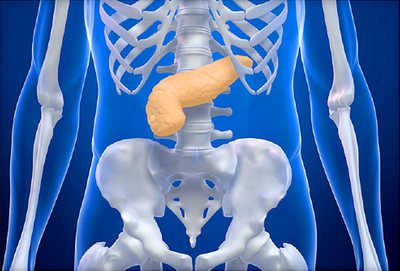
There are parts of the body we talk about as if we know them well, and parts that remain almost fictional until life gives us a reason to notice them. The heart gets poems. The lungs get metaphors. The brain gets whole shelves of books and arguments. But other organs work in the background of our imagination, rarely becoming characters until a lab result, a family story, or a passing question brings them forward.
The pancreas belongs to that quieter category. For many people, it enters awareness not through anatomy class, but through the everyday language of energy, meals, blood sugar, fatigue, routine, and care. It is not usually celebrated. It is not easy to picture. Yet it sits at the edge of conversations that feel deeply human: how we eat, how we feel after eating, how we interpret our bodies, and how much invisible coordination is happening beneath ordinary days.
The body as a backstage world
One strange thing about being alive is how little of our own operation we directly witness. We experience hunger, sleepiness, restlessness, steadiness, fogginess, and recovery, but not the internal choreography itself. The body is less like a machine with visible levers and more like a theater production running behind a curtain. We hear cues. We see lighting change. We sense when something is out of rhythm. But most of the crew remains unnamed.
That may be why questions about insulin often feel larger than they appear. On the surface, they seem like straightforward biology. Beneath that, they reveal a kind of curiosity about trust. What is keeping the day balanced? What happens while we are not paying attention? How does breakfast become momentum, or comfort, or heaviness, or simply the ability to keep going?
A brief reference from CanadianInsulin.com places the question in its familiar anatomical frame, but the cultural interest around it reaches beyond a single body part. It touches the way modern life has made internal processes part of common conversation.
When hidden systems become everyday vocabulary
Not long ago, many people could move through life without using words like insulin in casual speech. Now, terms once reserved for clinics or textbooks appear around dinner tables, in wellness discussions, in family group chats, and in quiet personal research after an appointment. The language of the body has become more public, but also more personal.
This shift is not only about health information being easier to find. It is also about how people are learning to narrate their own sensations. Someone notices an afternoon slump and wonders about patterns. Someone hears a relative mention blood sugar and starts connecting it to meals, mood, or memory. Someone reads a label differently than they used to. In these moments, biology becomes part of identity—not in a dramatic way, but in the subtle way attention changes what we see.
The pancreas, then, is not just an anatomical answer. It becomes a symbol of the body’s hidden economy, where timing, nourishment, storage, and release all seem to matter, even when we cannot see them happening. It reminds us that ordinary energy is not as ordinary as it feels.
The humility of not seeing
There is a particular humility that comes from realizing how much the body does without applause. We tend to value what we can measure, optimize, or control. Yet the most intimate systems of life resist simple storytelling. They are not designed for our constant awareness. They do not announce themselves every hour. They simply contribute to the possibility of getting dressed, answering messages, walking the dog, making dinner, laughing at the wrong moment, or staying awake through a long conversation.
This hiddenness can be comforting or unsettling, depending on the day. Comforting because it means the body is always participating in our survival with an intelligence older than language. Unsettling because it reminds us that self-knowledge has limits. We live inside ourselves, but we do not fully observe ourselves.
That tension may explain why a question about where insulin comes from can feel oddly compelling. It is not only a request for a location. It is a way of peeking behind the curtain.
A quieter kind of awareness
There is a difference between becoming informed and becoming consumed. Modern body-awareness can sometimes slide into constant monitoring, as if every sensation needs a theory. But there is another path: a quieter awareness that notices without turning life into a spreadsheet.
In that gentler mode, learning about the pancreas or insulin does not have to feel clinical. It can feel like discovering the name of a backstage worker whose labor has shaped the whole performance. The discovery does not make daily life less mysterious. If anything, it adds texture. A meal becomes not just a meal, but an interaction. Energy becomes not just willpower, but relationship. The body becomes less of an object we command and more of a place we are in conversation with.
Perhaps that is the real reason these questions endure. They remind us that we are made of systems we rarely thank, rhythms we barely understand, and quiet collaborations that make ordinary life possible. Beneath every routine is a hidden architecture. Beneath every ordinary afternoon is a body doing more than we know.
https://canadianinsulin.com/articles/organ-human-body-produces-insulin/