The Quiet Negotiation at the Kitchen Table
A reflective look at how food choices become part of daily rhythm, identity, and the small negotiations of modern life.
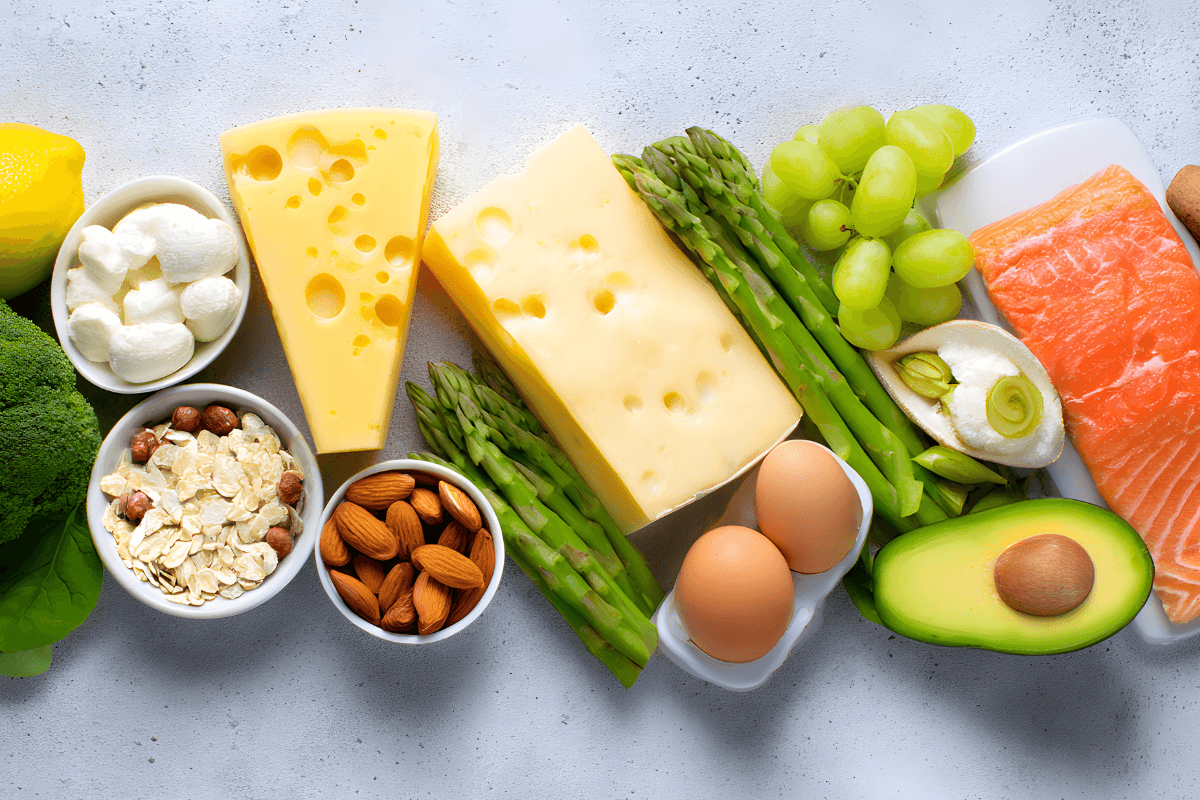
Food has a way of becoming louder when life asks us to pay attention to it.
Not louder in the dramatic sense. More like a chair creaking in a quiet room. A grocery aisle that suddenly feels full of decisions. A breakfast habit that once lived on autopilot now carries a little more meaning. The plate, which used to be a place of comfort or convenience, becomes a kind of conversation.
That is often the strange emotional landscape around eating when someone is thinking about blood sugar, routine, or the possibility of change. It is not only about food. It is about time, memory, family, appetite, culture, and the private wish to feel steady without turning every meal into a project.
A helpful reference point for this broader conversation can be found in this discussion of eating patterns and prediabetes, but the human story around the subject stretches far beyond any single list of foods.
When the ordinary becomes noticeable
Most people do not build their eating habits from theory. They build them from mornings that start too early, lunches eaten between obligations, childhood flavors, budgets, cravings, celebrations, and exhaustion.
A slice of toast is rarely just a slice of toast. It may be speed. It may be familiarity. It may be the only peaceful thing before the day begins. Dinner may be less about nutrients than the relief of arriving home. Snacks may appear in the spaces where stress has no language.
So when food choices begin to feel newly important, there can be a subtle grief in it. Not necessarily sadness, exactly, but the feeling of being asked to look closely at something that once felt effortless. The kitchen becomes less background scenery and more stage.
There is also curiosity there. Many people discover that their meals have been carrying patterns they never noticed. The late-afternoon slump with its predictable craving. The comfort of large portions after a scattered day. The weekend looseness that feels like freedom. The weekday repetition that feels like control.
These discoveries are not failures. They are clues about how daily life is arranged.
The culture of the perfect plate
Modern food culture loves certainty. It loves labels, rules, swaps, and declarations. One week, simplicity is praised. The next, optimization takes over. The perfect plate is photographed from above, brightly lit, as if real life does not include rushed chopping, leftovers, picky children, office cake, or the quiet rebellion of wanting something sweet after dinner.
But eating is not lived from above. It is lived at eye level.
The most interesting shift may not be toward perfection, but toward awareness. A person begins to notice what makes a meal feel complete. What leaves them searching through the pantry an hour later. What foods belong to habit and what foods belong to joy. What choices feel generous, and what choices feel punishing.
That distinction matters culturally because so many conversations about food slip into moral language. Good. Bad. Clean. Guilty. Allowed. Forbidden. The vocabulary can become heavier than the meal itself.
A gentler frame is possible: food as relationship rather than verdict.
The small architecture of routine
There is something quietly powerful about repetition. The same bowl, the same chopping board, the same grocery route. Routine can feel boring from the outside, but inside a life it can become architecture. It holds the day together.
For someone rethinking the way they eat, the most meaningful changes may not look dramatic. They may look like pausing before buying the usual snacks. Adding more color to a meal because it makes the plate feel alive. Choosing a breakfast that does not vanish emotionally by midmorning. Keeping certain foods in the house because they make steadiness easier.
None of this needs to become a performance. In fact, the quieter it is, the more sustainable it may feel. The world does not need to be informed every time a person makes a thoughtful lunch.
There is dignity in private adjustments.
There is also dignity in imperfection. A birthday dinner does not erase a week of attentiveness. A hurried meal does not define a person. Food exists in real time, and real time is uneven.
Appetite, identity, and the need for ease
One reason eating conversations can feel so charged is that food is tied to identity. People inherit flavors. They learn love through meals. They mark seasons through recipes. They gather around dishes that say, without explanation, this is where I come from.
When health enters that space, people may fear losing something more than a menu item. They may fear losing ease, spontaneity, belonging, or the pleasure of not thinking so much.
That fear deserves respect. A life organized entirely around avoidance can become small. But a life with no attention at all can feel unmoored. Somewhere between those poles is a more human middle: not rigid, not careless, but responsive.
Responsive eating has a different emotional texture. It asks, what is happening here? Am I hungry, tired, rushed, bored, celebrating, anxious, lonely, restored? What role is this meal playing in the day?
Those questions are not rules. They are ways of returning to the body without turning the body into a problem.
A quieter kind of change
The kitchen table is where many private negotiations happen. Convenience sits beside intention. Pleasure sits beside caution. Old habits sit beside new information. Nobody wins every negotiation, and perhaps winning is the wrong metaphor anyway.
Maybe the more interesting aim is conversation.
Food can remain comforting while becoming more considered. Meals can become steadier without becoming joyless. Change can happen without a grand announcement, without a total reinvention, without treating the past as a mistake.
In that sense, the subject is less about an ideal way to eat and more about how people learn to live with attention. Not fear. Not obsession. Attention.
And attention, practiced gently, has a way of changing the room.