The Quiet Negotiation Behind a New Routine
A reflective look at how modern health rituals become part of everyday identity, attention, and small private choices.
There is a particular kind of silence that gathers around a new routine. It is not dramatic. It does not announce itself with a soundtrack or a grand before-and-after moment. It arrives in the ordinary places: near a glass of water, beside a calendar reminder, in the half-lit kitchen before the day has fully begun.
Some health-related choices feel less like events and more like negotiations with daily life. They ask where they might fit, what they might interrupt, and how much attention they require. They become part of the architecture of a morning, tucked between brushing teeth and checking messages, between intention and habit.
That is perhaps why conversations around modern treatments and wellness tools often stretch beyond the thing itself. A name may sit on a label, a page, or a pharmacy shelf, but the real story unfolds elsewhere. It unfolds in the way people imagine change, measure progress, and make room for something unfamiliar without letting it take over the whole room.
The small theatre of consistency
Routine has a reputation for being dull, but it is also strangely intimate. What a person repeats says something about what they are trying to protect. A walk at dusk, a carefully packed lunch, a notebook beside the bed, a recurring appointment on a phone calendar — these gestures become quiet evidence of care.
When a new element enters that pattern, it can feel oddly symbolic. Not because the object is magical, and not because it promises a transformed life overnight, but because it asks for a relationship with time. It introduces a question that is both simple and surprisingly human: will this become part of me, or will it remain outside the rhythm?
The answer is rarely immediate. People tend to learn routines by living beside them. At first, there may be heightened awareness. Then comes the awkward phase, when the newness has faded but the habit has not yet become automatic. Eventually, if it stays, it begins to lose its spotlight. It becomes ordinary. And ordinary, in the landscape of care, can be its own kind of achievement.
Why names carry more weight than we expect
There is something curious about branded health language. A single word can carry an entire cloud of associations: hope, uncertainty, skepticism, relief, fatigue, privacy. For some, a name is merely practical — a way to identify something specific. For others, it becomes emotionally charged, not because of marketing, but because it belongs to a chapter of life they are trying to understand.
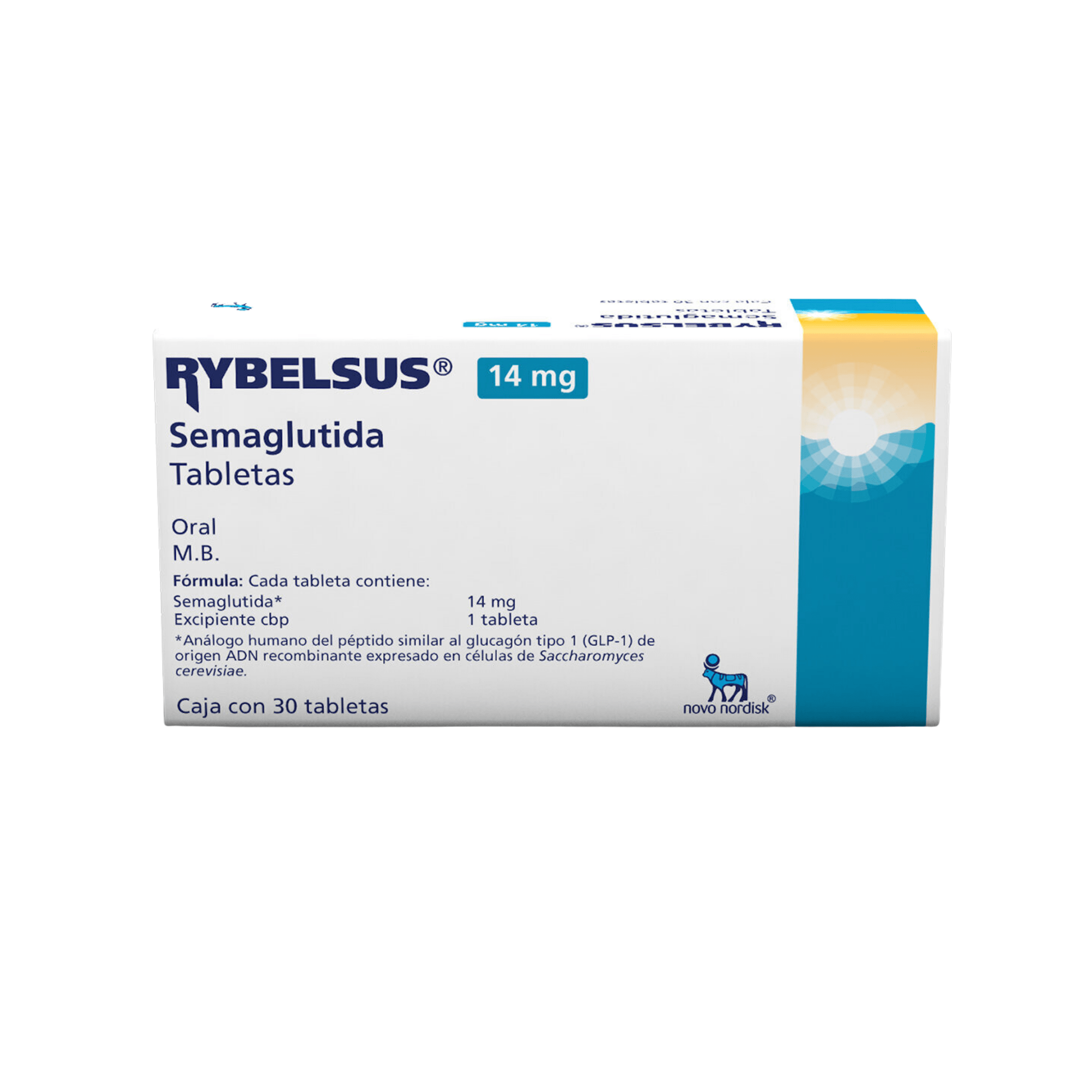
The page for Rybelsus sits within that broader world of named options and personal decisions, where a product name is only one visible point in a much wider constellation. Around it are questions of routine, trust, access, conversation, and self-perception.
This is where the cultural side becomes interesting. We live in a time when people are more fluent in the language of personal health than previous generations may have been, yet not always more comfortable with it. There is more vocabulary, more visibility, more searchable language. Still, the private experience remains private. A person can read endlessly and still have to sit with the quiet feeling of choosing, waiting, wondering, or adjusting.
The era of discreet transformation
Modern life has made many forms of change more discreet. A person can be reshaping a habit, managing a concern, or pursuing a long-term goal while appearing entirely unchanged to everyone around them. The visible world may show a normal Tuesday. The inner world may be full of recalibration.
That gap between public appearance and private effort is familiar to almost anyone who has tried to alter a pattern. Change is often imagined as bold and visible, but much of it is administrative, repetitive, and modest. It involves remembering. It involves patience. It involves returning to the plan after a distracted week or a discouraging day.
There is a tenderness in that. Not sentimental tenderness, but the practical tenderness of paying attention to oneself over time. The kind that does not always look inspiring from the outside. The kind that may never become a story told at dinner, yet still matters deeply to the person living it.
Between expectation and experience
One of the more complicated things about any new health routine is the space between what someone hopes for and what daily life actually feels like. Expectation is tidy. Experience is textured.
Expectation says there will be a clear beginning, a measurable middle, and a satisfying sense of direction. Experience may include questions, conversations, pauses, second thoughts, and days when nothing feels particularly meaningful. That does not make the process lesser. It makes it human.
The culture around wellness often prefers certainty. It likes clean narratives, decisive language, and confident arcs. But real people tend to inhabit softer territory. They may feel optimistic and cautious at the same time. They may be grateful for options while still wishing they did not need to think about any of it. They may want change without wanting their identity reduced to the pursuit of it.
That contradiction deserves more room than it usually gets.
The ordinary dignity of paying attention
Perhaps the most overlooked part of any routine is not the routine itself, but the attention it represents. To pay attention is to admit that something matters. It is also to accept that life is made of maintenance as much as momentum.
There is no need to turn every health-related choice into a heroic narrative. Sometimes the more honest story is quieter: a person notices something, asks questions, considers options, and makes space for a new pattern. They do this while answering emails, folding laundry, navigating relationships, and deciding what to make for dinner.
That ordinary context is not background noise. It is the setting in which all meaningful routines either survive or disappear.
So maybe the more interesting question is not what a named option represents on its own, but how people weave such things into the unfinished fabric of everyday life. Not as a headline. Not as an identity. Just as one thread among many — visible in certain light, private in others, and held together by the quiet persistence of returning to the day again.