The Quiet Negotiation Between Motion and Trust
A reflective look at how strength, caution, and everyday movement shape the way people relate to changing knees.
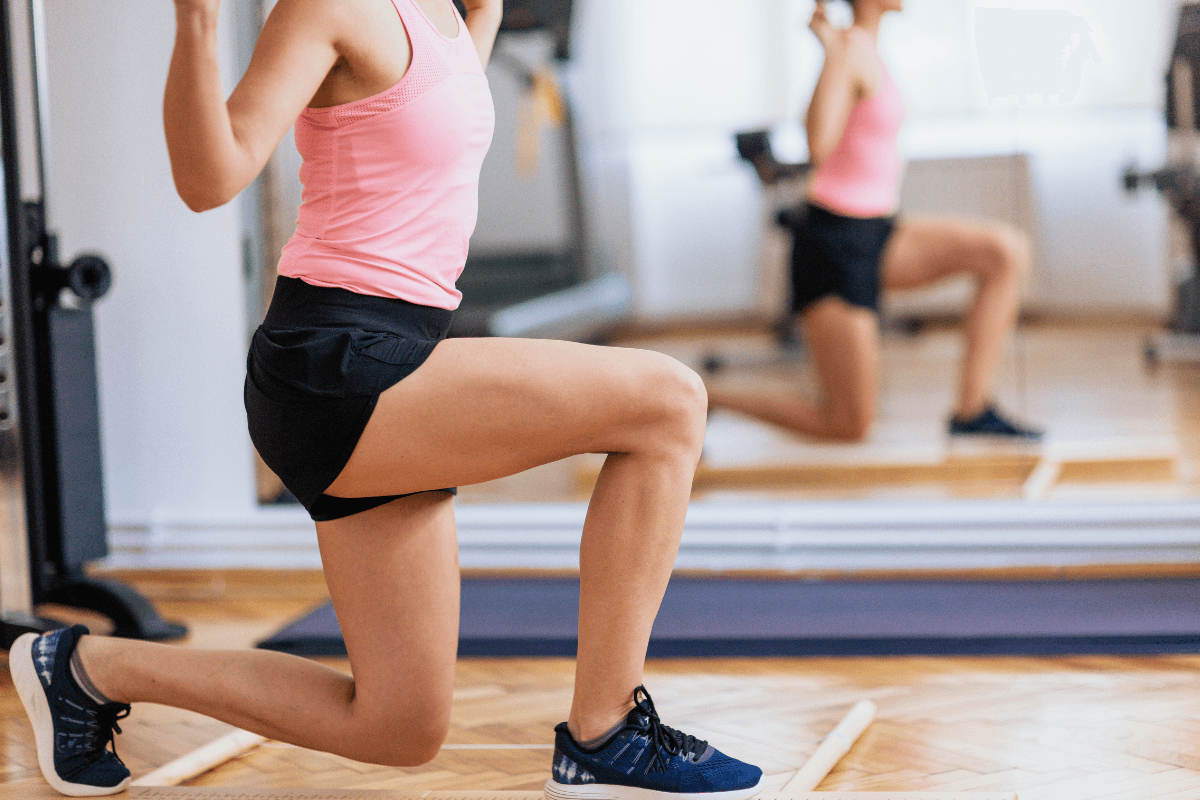
There is a particular kind of hesitation that appears before certain movements. It can happen at the bottom of a staircase, beside a low chair, or in the tiny pause before stepping off a curb. The body remembers things the mind may not have fully named yet. A knee that once felt anonymous suddenly becomes a character in the day: opinionated, unpredictable, sometimes cooperative, sometimes not.
That shift changes the meaning of strength. It stops being only about athletic ambition or polished routines. It becomes quieter, more domestic, almost conversational. Strength begins to look like confidence in small transitions, like trusting the floor, like moving through a room without mentally negotiating every step.
When movement becomes a conversation
For many people, the idea of building strength around sensitive knees carries a strange emotional weight. It sounds simple from a distance: move more thoughtfully, support what feels fragile, keep some rhythm in the body. But lived experience is rarely that tidy. Movement can feel both promising and suspicious. The same action that suggests freedom can also raise questions.
This is where the cultural story of exercise often falls short. We are used to dramatic images of transformation: sweat, intensity, visible progress, a before-and-after that fits neatly into a square frame. Knee discomfort invites a different vocabulary. It asks for attention rather than conquest. It turns exercise from performance into listening.
A useful perspective on knee-focused movement from Medispress reflects this broader interest in strength as something measured not only by effort, but by care.
The appeal of modest strength
There is a kind of strength that does not announce itself. It is found in rising from a chair with a little more ease, standing at the sink without shifting constantly, or walking across a car park without scanning for the shortest route. These are not cinematic victories, yet they matter because they belong to ordinary life.
Modern wellness culture tends to reward the visible. It loves equipment, tracking, milestones, and declarations. But knee-related strength lives in a quieter register. It is often about what becomes less noticeable. Less bracing. Less anticipation. Less need to plan the entire day around one uncertain joint.
That kind of progress can be difficult to describe because it is not always linear. Some days invite trust. Other days ask for patience. The body does not behave like an app with clean data and tidy graphs. It has weather. It has moods. It responds to sleep, stress, surfaces, shoes, stairs, seasons, and memory.
The psychology of careful motion
What is interesting about movement in this context is not only what the body does, but what the mind permits. A person may technically be able to bend, step, or rise, yet still hesitate because the memory of discomfort lingers. The pause is not weakness. It is information. It is the nervous system asking whether the moment is safe enough.
Over time, the relationship between movement and trust can become complicated. Avoidance may feel protective. Effort may feel risky. Rest may feel sensible, then limiting. Activity may feel hopeful, then uncertain. Most people are not simply deciding between motion and stillness; they are managing a private negotiation between fear, desire, habit, and identity.
This is why the language around strengthening matters. When it becomes too heroic, it can alienate. When it becomes too clinical, it can flatten the experience. The more humane frame is one of gradual familiarity: becoming reacquainted with what the body might still allow, without demanding that it perform an old version of itself.
A changing idea of independence
Knees are deeply tied to independence because they participate in so many thresholds. They help us enter buses, gardens, kitchens, shops, bedrooms, and gatherings. They are involved in leaving, arriving, lowering, lifting, waiting, turning. When they become noticeable, the world can feel subtly redesigned.
A single step can become a small question. Is there a handrail? Is the ground uneven? How low is that seat? Will there be too much standing? These calculations are often invisible to others, yet they shape the emotional texture of daily life.
In that light, strengthening is not merely a fitness idea. It becomes part of how people imagine participation. Not necessarily grand adventure, but ordinary belonging: joining a walk, tending a plant, carrying groceries, visiting a friend without rehearsing the logistics in advance.
The grace of paying attention
There is dignity in noticing the body before it shouts. There is also dignity in adapting without turning adaptation into defeat. The fantasy of effortless movement is powerful, especially in cultures that prize speed and self-sufficiency. But many lives are built not on effortlessness, but on thoughtful adjustment.
The quieter story is this: movement can become meaningful precisely because it is no longer taken for granted. A knee that asks for care may also teach a person to move with more awareness, to value steadiness over spectacle, to understand strength as cooperation rather than domination.
Not every day will feel encouraging. Not every motion will feel simple. But within the ordinary choreography of standing, stepping, sitting, and walking, there is room for a gentler form of confidence. It is not the loud confidence of pushing through. It is the smaller, steadier confidence of learning how to trust motion again, one unremarkable moment at a time.
https://medispress.com/health-hub/best-strength-exercises-for-knee-osteoarthritis-relief/