The Quiet Negotiation of Feeling Better
Home routines often become small acts of negotiation, especially when comfort, caution, and daily life all want different things.
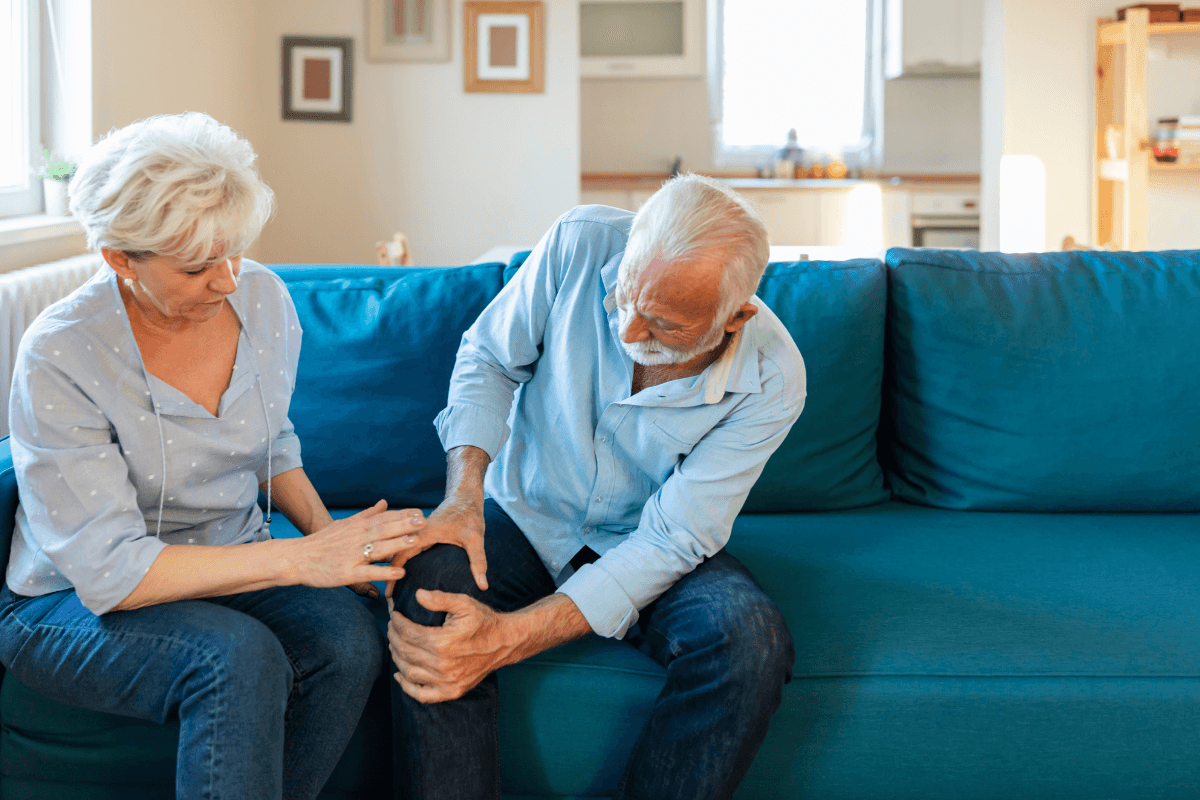
There is something revealing about the phrase at home safely. It sounds simple at first, almost cozy, but the longer you sit with it, the more complicated it becomes. Home is where people improvise, where they learn the geography of their own day, where a chair becomes part of a ritual and a morning can feel different from an evening for reasons that are hard to explain to anyone else.
When a topic like rheumatoid arthritis enters that domestic space, the conversation changes tone. It stops sounding like a neat checklist and starts sounding like real life: slower, less certain, more personal. The idea of “practical steps” can suggest that comfort is something tidy and linear, when in reality it often looks more like adjustment, attention, and patience.
Home is where people notice the small things
One of the most interesting things about any home-based approach to wellbeing is how ordinary it looks from the outside. Nothing dramatic announces itself. There are no cinematic breakthroughs. Instead, there are small decisions repeated quietly: how the day begins, what gets moved closer, what gets postponed, what kind of pace feels possible.
That is why topics like this tend to resonate beyond the condition named in the headline. They touch a broader truth about modern life: many people are trying to build lives that are manageable, not perfect. They are less interested in grand promises and more interested in what helps the day feel less adversarial.
The word safely matters here too. It suggests restraint, discernment, and the understanding that not every soothing idea belongs in the category of wise choices. There is humility in that. In a culture that often celebrates quick fixes and personal hacks, caution can feel almost radical.
The domestic world has its own logic
Home is not a clinic, and most people know that instinctively. But home has strengths of its own. It is where habits are visible. It is where patterns reveal themselves without much fanfare. The body is noticed there not as a project, but as a companion that may be cooperative one day and stubborn the next.
This is perhaps why so many people are drawn to conversations about everyday management. They are not just looking for methods. They are looking for a language that acknowledges uncertainty without making it the whole story.
A title like the one explored in this discussion hints at that balancing act. It suggests that the real question is not simply how to do more, but how to live more thoughtfully within limits that may shift.
Practical does not always mean obvious
There is a common assumption that practical living is dull, as if it belongs to the world of plain instructions and uninspired routines. But practical life is often deeply creative. It asks people to redesign familiar spaces, revise expectations, and listen more carefully to what a day is actually asking of them.
That kind of adjustment can be invisible to other people. Someone else might only see a blanket on a sofa, a slower morning, a changed plan, or a pause before lifting something ordinary. But inside those choices is a whole philosophy of self-regard. Not indulgence. Not defeat. Just a steadier relationship with reality.
And that may be the most underappreciated part of “home care” as a cultural idea. It is not merely about staying in. It is about becoming more fluent in one’s own rhythms. For some, that fluency comes through trial and error. For others, it emerges from learning which forms of effort feel useful and which only make the day noisier.
A gentler definition of progress
We are often taught to imagine progress as acceleration. More activity, more certainty, more visible improvement. But many forms of personal care, especially in the private world of home, follow a different rhythm. Progress can mean fewer unnecessary battles. It can mean noticing earlier, pausing sooner, arranging life with slightly more kindness.
That does not make the experience simple. If anything, it makes it more human. It asks for responsiveness rather than control. It turns the home into less of a backdrop and more of a collaborator.
There is also something quietly reassuring about the fact that practical steps are rarely glamorous. They do not need to be. Their value is often in their repeatability, in the way they fold into everyday life without demanding applause. A sustainable routine usually looks modest. It leaves room for unpredictability.
Maybe that is why topics like this continue to matter. Beneath the search-friendly phrasing is a familiar hope: that life can be arranged in a way that feels more livable, more careful, and a little less at odds with the body carrying it. Not fixed. Not perfected. Just negotiated with greater tenderness.
And sometimes that is the most honest kind of progress a home can hold.
https://medispress.com/health-hub/tips-on-how-to-treat-rheumatoid-arthritis-safely-at-home/