The quiet objects that hold a day together
Some items live at the edge of attention, yet quietly shape routine, planning, and the way a day feels from the inside.
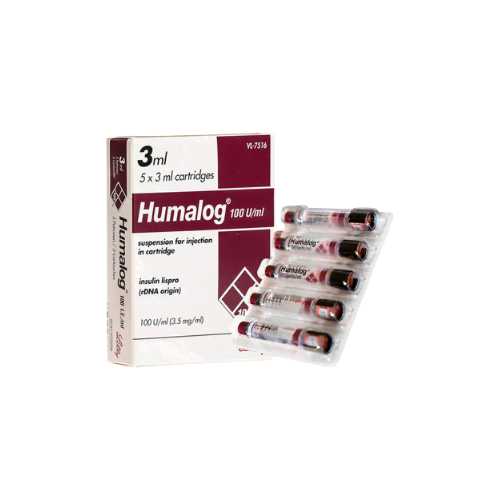
Some objects arrive with fanfare. Others enter life almost sideways, becoming important long before they become interesting. A cartridge belongs to that second category: small, precise, easy to overlook if you are only paying attention to the grander story of modern health, personal routine, or the language people use around care.
What makes a thing like this stand out is not spectacle. It is the opposite. It is the way an object can become part of the architecture of an ordinary day without asking for praise. In a culture that loves dramatic transformations and bold before-and-after narratives, there is something almost stubbornly human about the tools that simply support continuity.
The design of the nearly invisible
A cartridge is not the kind of product people romanticize. It is functional, compact, unassuming. Yet that plainness says a lot about the world it lives in. We tend to notice objects when they are luxurious, clever, or disruptive. But there is another class of object that matters just as much: the ones designed to fit into life rather than interrupt it.
That subtle difference feels worth lingering on. Some products announce themselves as solutions. Others become companions to routine. The latter often carry a strange emotional weight because they are tied not to novelty, but to steadiness. Their presence can signal planning, responsibility, and the quiet effort of staying in rhythm with one’s own life.
Humalog, as a name, may sound highly specific, even technical, but the broader story surrounding something like a cartridge is surprisingly familiar. It is the story of how people organize care into drawers, bags, schedules, and habits. It is the story of learning where practicality meets reassurance.
A small object with a social life
No item like this exists in isolation. It belongs to a network of gestures and decisions: what gets packed before leaving home, what lives on a bedside table, what is checked twice, what becomes second nature over time. These habits are rarely dramatic from the outside. Inside a person’s day, though, they can shape everything from confidence to spontaneity.
There is also a cultural layer here. We live in a moment when people speak more openly about routines that used to remain private. That shift has changed the emotional atmosphere around health-related objects. They are still personal, of course, but perhaps less hidden than they once were. A cartridge can still be discreet, yet it no longer has to feel like a secret.
That matters. When everyday tools are treated with normalcy rather than discomfort, they stop carrying quite so much extra meaning. They can simply be what they are: part of the practical grammar of a life.
Between control and unpredictability
There is a tension built into many routines of care. On one hand, the tools involved can represent preparedness, order, and a sense of agency. On the other, their very presence is a reminder that life is never entirely frictionless. That contradiction is not a flaw. It is part of what makes these objects emotionally complicated.
A cartridge, then, can symbolize two things at once. It can suggest structure. It can also hint at the reality that structure is often something people build in response to uncertainty. That dual meaning makes the object feel larger than its size.
This may be why practical items sometimes become strangely personal. They absorb context. They travel through routines. They witness mornings, errands, delays, dinners, conversations, and all the unglamorous transitions that fill real life. They are not center stage, but they are present for the whole performance.
The aesthetics of reliability
There is a kind of beauty in things that are made to be dependable. Not flashy beauty, but the quieter kind: proportion, clarity, fit, repeatability. Reliability has its own aesthetic, even if we do not often talk about it that way.
The page for the Humalog Cartridge points to a product, but it also gestures toward a larger reality: how much everyday life depends on objects that are designed to be trusted more than admired.
That distinction feels culturally revealing. We are often encouraged to curate our lives around inspiration, aspiration, and identity. Yet many of the things that most deeply affect daily experience are much simpler than that. They do not announce who we want to be. They help support who we already are, especially on ordinary days.
Ordinary, and therefore important
Maybe that is the most interesting part. The significance of a cartridge does not come from rarity. It comes from repetition. It becomes meaningful because it participates in routine, and routine is where so much of life actually happens.
There is a quiet dignity in that. Not every important object needs a dramatic story attached to it. Some earn their place through consistency alone. They become part of the background, and in doing so, they help everything else move to the foreground: work, family, travel, plans, interruptions, small joys.
In the end, the most revealing objects are often the least theatrical ones. They show how people build steadiness out of practical details. They remind us that support does not always look monumental. Sometimes it fits in the palm of a hand and asks for nothing more than a place in the day.
https://canadianinsulin.com/product/humalog-cartridge-100-units-ml/