The Quiet Pressure We Carry Home
A reflective look at the small rituals, rooms, and rhythms that shape how we notice everyday head tension.
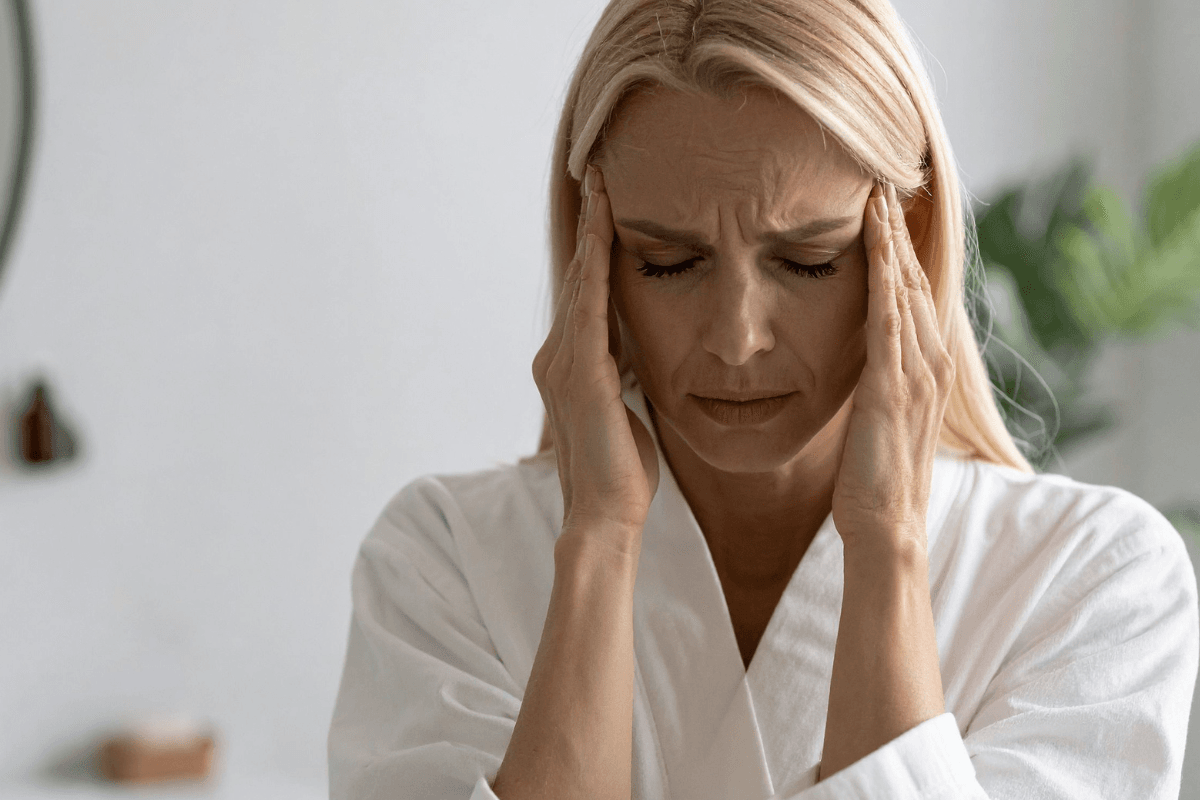
There is a particular kind of discomfort that does not arrive with drama. It does not knock over the furniture or announce itself like a thunderclap. It slips in quietly, often near the end of a long day, and makes the familiar feel slightly narrowed: the kitchen light a little too bright, the unread messages a little louder, the space between the eyebrows suddenly important.
Head tension has a way of turning ordinary rooms into mirrors. The desk remembers how long we sat there. The sofa knows whether we truly rested or simply collapsed with a screen in one hand. The hallway catches the moment we return home still carrying the shape of the day in our shoulders.
That may be why conversations around home care feel less like a checklist and more like a small cultural portrait. They reveal how people think about pressure, privacy, control, and the hope that relief might begin somewhere simple.
The home as a pressure map
Home is often imagined as the place where the body automatically exhales. Yet many people know the strange contradiction of arriving home and only then noticing how tense they are. Outside, there were tasks, voices, traffic, deadlines, errands. Inside, there is finally enough quiet for the body to speak.
A tight forehead, a heavy scalp, a clenched jaw, a stiff neck: these sensations become part of the domestic landscape. They can make someone aware of the chair they always choose, the way they lean toward a laptop, the habit of holding their breath while reading bad news, or the way evening light hits a room after hours under artificial glare.
This is not a medical lecture. It is more like noticing the weather inside the house.
On pages such as MediSpress, the subject is framed around familiar at-home responses, but the wider fascination may come from something more human: the desire to feel that the body is not entirely mysterious, that a difficult sensation can be met with attention rather than panic.
Small rituals, large meanings
Modern life has made tension feel almost ordinary. People joke about stress as if it were a shared language. We compare busy weeks, crowded calendars, too much screen time, too little sleep, and the endless background hum of being reachable. In that setting, head tension becomes more than a sensation; it becomes a symbol of overload.
The home rituals people turn toward often carry emotional meaning beyond their practical purpose. A dimmed lamp can feel like permission. A warm mug can feel like a boundary. Silence can feel luxurious. Closing a laptop can become an act of reclaiming the room.
Even the phrase “home care” has a softness to it. It suggests a version of care that is humble, close by, and woven into ordinary life. Not dramatic intervention, not a grand transformation, but a return to small signals: loosen, pause, breathe, step away, notice.
Of course, the culture around wellness can sometimes make every discomfort feel like a personal project. There is pressure to optimize the body, optimize the home, optimize rest itself. A person can end up trying to relax with the same intensity they bring to work. The irony is almost too perfect: tension becoming another task to manage.
The private choreography of easing up
What stands out about head tension at home is how private it can be. Someone may rub their temples while waiting for water to boil. They may sit in a darkened room for a few minutes before rejoining family life. They may change clothes, turn down noise, or simply stop pretending they are not tired.
These are not cinematic gestures. They are barely visible. But they belong to a larger choreography of self-awareness.
Many people learn their own patterns slowly, not through revelation but repetition. They begin to notice what kind of day leaves them feeling compressed. They recognize the difference between solitude that restores and scrolling that only numbs. They understand that a room can be technically quiet and still feel mentally crowded.
There is something quietly radical about paying attention before the body has to raise its voice.
A softer way to think about control
The appeal of at-home care may not be about controlling every sensation. It may be about changing the relationship to discomfort. Instead of treating the body like an inconvenience, home offers a place to listen without performance.
That listening is imperfect. Life continues. The dog needs walking, dinner needs making, emails keep arriving, children ask questions from another room. Home is rarely the serene retreat shown in advertisements. It is messy, interrupted, and alive.
But perhaps that is exactly why the idea matters. Relief, in everyday life, often has to fit between real things. It happens beside laundry, after commuting, in the soft pause before sleep, in the decision to make the room gentler even if the day was not.
The quiet pressure we carry home is not only in the head. It is in the way we move through demands, expectations, noise, and the belief that we should always be able to keep going. To notice it is not weakness. It is a small act of honesty.
And sometimes honesty begins very simply: with a room made calmer, a body given attention, and a person admitting that the day has left a trace.
https://medispress.com/health-hub/how-to-get-rid-of-tension-headaches-at-home/