The Quiet Promise We Keep Looking For in the Mirror
A reflective look at why modern beauty conversations keep circling softness, restoration, and the feeling of looking more like oneself.
There is a particular kind of pause that happens in front of a mirror. Not the quick glance before leaving the house, not the distracted check in a shop window, but the slower moment when the face feels both familiar and slightly changed. The light lands differently. A line appears where there was once only expression. The cheeks seem to hold a little less of yesterday’s fullness. Nothing dramatic has happened, and yet the mind notices.
That small noticing is where so many contemporary beauty conversations begin.
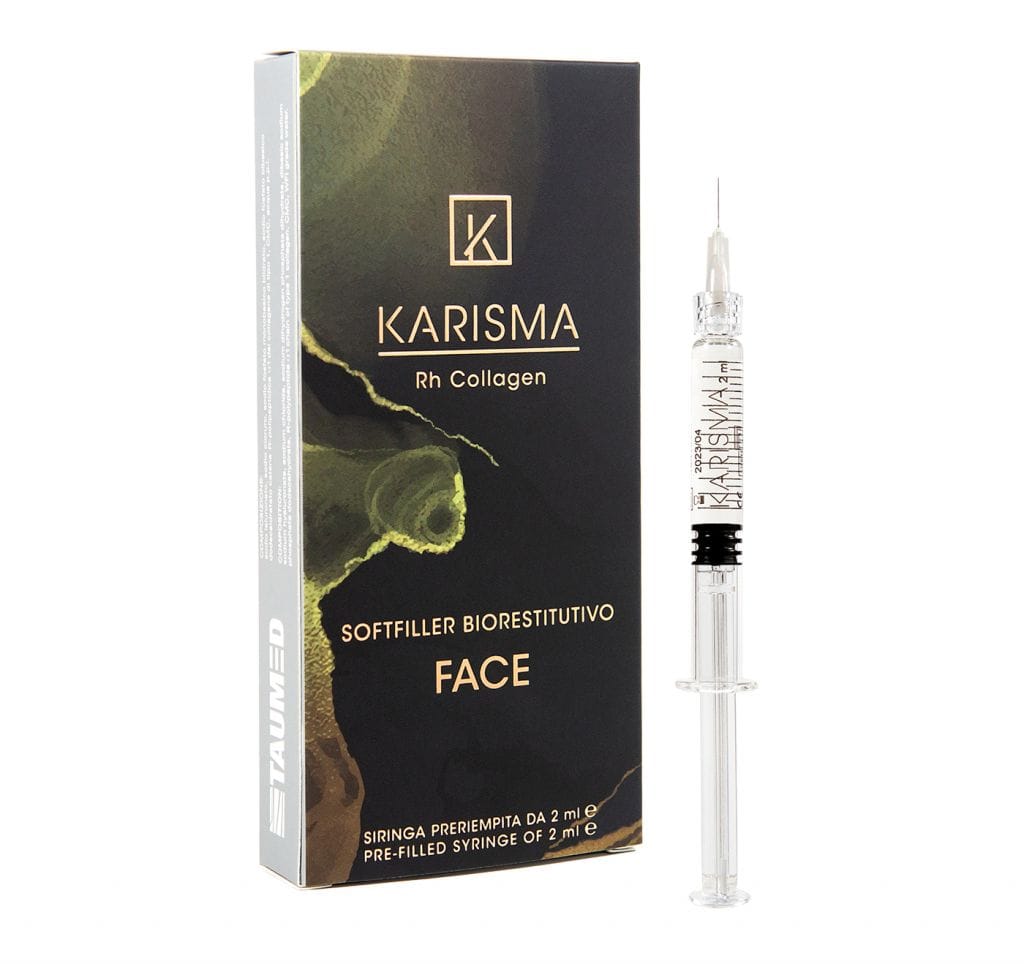
Not with reinvention, necessarily. Not even with vanity in the loud, theatrical sense. More often, it begins with a quieter wish: to look rested, to look present, to feel that the outside has not wandered too far from the inner sense of self. Products and treatments enter the conversation after that, carrying names that can sound almost futuristic, like Karisma RH Collagen Softfiller Biorestitutivo Face, but the human impulse underneath is much older than any label.
The modern language of softness
Beauty culture has shifted in tone. For a long time, the most visible ideals were sharp, polished, and unmistakably performed. Faces were described in terms of correction, sculpting, covering, or defying. The language had an air of battle about it, as if time were an opponent and the mirror a scoreboard.
Now, in many corners of the conversation, the words feel softer. People talk about glow, balance, hydration, renewal, texture, harmony. The desire is less often to look like someone else and more often to look like a well-lit version of oneself. Even the most advanced-sounding aesthetic ideas are increasingly framed around subtlety.
This does not mean the culture has become simple or free from pressure. Far from it. Beauty still carries expectations, comparisons, and complicated emotional weather. But the vocabulary has changed enough to reveal something interesting: many people are no longer chasing transformation as much as continuity.
They want to remain recognizable to themselves.
A face as an archive
A face is not just skin and structure. It is an archive of seasons. It holds laughter, worry, sleep, weather, birthdays, grief, habits, and all the tiny repetitions that make a life feel lived. That may be why conversations about facial aesthetics can feel so personal, even when they are discussed casually.
To change nothing can feel like acceptance. To change something can feel like care. To change too much can feel like disappearance. Most people are trying to locate themselves somewhere between those points, even if they do not say it that way.
This is why the idea of “soft filling” or “restoration” carries a certain cultural appeal. The phrase suggests not a mask, but a return of ease. It hints at replenishment rather than replacement. Whether someone is simply curious about such concepts or actively exploring them, the emotional landscape around them is rarely only technical.
It is about the relationship between identity and time.
The appeal of barely noticeable change
There is a kind of beauty result that people often praise by saying, “I can’t tell what changed, but you look good.” That sentence is revealing. It suggests that the most desired outcome is not always spectacle. Sometimes the dream is ambiguity.
A little more brightness. A little more calm in the face. A sense that fatigue has loosened its grip. The fantasy is not to be unrecognizable but to appear as though life has been slightly kinder lately.
This preference reflects something broader in modern aesthetics: the rise of invisible effort. We admire the natural look, even when it is carefully constructed. We praise simplicity, even when it requires an elaborate routine. We value ease, even when ease is curated.
There is tension in that, but also honesty. Humans have always decorated, softened, groomed, and adjusted themselves. What changes from era to era is the style of effort we find acceptable.
Beauty as atmosphere
The face is often treated as an object, something to be analyzed in parts. But in real life, faces are experienced as atmosphere. We notice expression before symmetry, energy before detail. A person looks warm, tired, open, distant, luminous, tense. These impressions do not come from one feature alone.
That may be why modern facial care, in all its forms, is increasingly discussed through mood rather than measurement. People want to look refreshed, not redesigned. They want softness without obviousness. They want care that feels aligned with the way they already move through the world.
The most interesting part of this shift is not any single product category or trend. It is the way people are learning to describe beauty as a feeling rather than a fixed standard.
The mirror and the private negotiation
Public conversations about appearance can become loud very quickly. They turn into debates about authenticity, aging, confidence, privilege, pressure, and choice. All of those debates matter. But they can sometimes overlook the private negotiation happening in quieter rooms.
A person looking in the mirror may not be trying to please an audience. They may simply be asking whether the reflection still matches their sense of vitality. They may be curious, conflicted, indifferent one day and interested the next. Beauty decisions are rarely as neat as the opinions surrounding them.
There is room to admit that caring about appearance can be both superficial and profound, depending on the moment. It can be playful. It can be emotional. It can be social. It can be deeply personal. Often, it is all of these at once.
A gentler way to think about change
Perhaps the most useful cultural shift is not toward doing more or doing less, but toward thinking more gently. Faces change. Preferences change. The stories people tell about themselves change too. The goal does not have to be permanent youth, a flawless surface, or proof of indifference.
Maybe the quieter question is this: what kind of relationship does someone want with their own reflection?
For some, the answer may be complete acceptance of every visible change. For others, it may include rituals, treatments, textures, or small adjustments that create a sense of ease. Neither path automatically reveals a person’s confidence or insecurity. Human beings are more complicated than that.
The mirror will always invite interpretation. It will catch us in good light and bad light, in moments of certainty and moments of doubt. Around it, entire industries will continue to grow, offering new words for old desires. But beneath the polished language and evolving trends, the longing remains surprisingly simple.
To feel at home in one’s face. To recognize the person looking back. To let change arrive without feeling entirely overtaken by it.
That is the quiet promise people keep searching for, whether they name it beauty, restoration, softness, or simply feeling like themselves again.
https://medwholesalesupplies.com/product/karisma-rh-collagen-softfiller-biorestitutivo-face/