The Quiet Promise We Keep on the Bathroom Shelf
A reflective look at why small skincare objects can feel larger than their labels, routines, and polished glass jars.
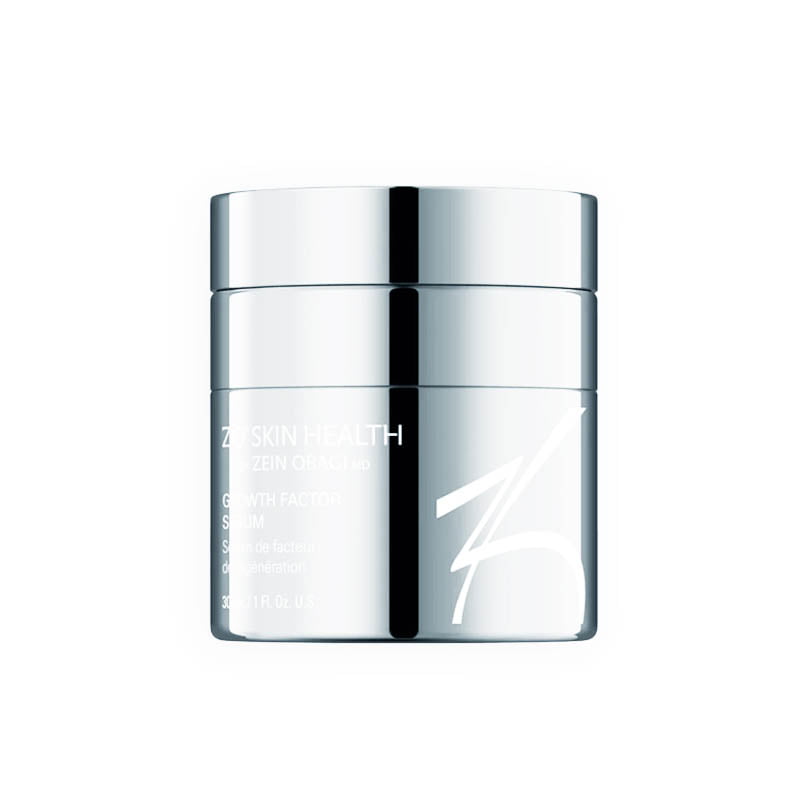
There is a particular kind of hope that lives in the bathroom cabinet. It is not loud. It does not announce itself like a new haircut or a freshly painted room. It sits behind a mirrored door, inside a jar or bottle, waiting for a few quiet minutes at the beginning or end of the day.
Skincare has always carried more meaning than its packaging can hold. A serum, for example, may be presented as a sleek object with a careful name and a precise place in a routine. But the reason people notice it is often less about the object itself and more about the mood around it: the wish to feel tended to, the pull of ritual, the comfort of doing something small and deliberate.
That may be why products such as ZO Skin Health Growth Factor Serum become part of a larger conversation about beauty culture rather than simply sitting in the category of things we apply and forget.
The ritual before the result
Modern skincare has become a language of patience. It asks people to slow down in a world that is usually asking for speed. The routine itself can feel like a pause button: wash, apply, wait, notice. Not necessarily notice a dramatic transformation, but notice the face as something familiar and changing, something that belongs to the day rather than the screen.
There is something almost cinematic about the evening skincare ritual. The sink light is softer than daylight. The room is private. The hand reaches for the same container night after night. In that repetition, even the most ordinary gesture becomes symbolic. It says, in a small way, I am still paying attention.
This may be the undercurrent that makes certain beauty products feel emotionally charged. They are sold in the language of formulas, textures, and routines, but they are often adopted in the language of feeling. People want consistency, reassurance, a sense that time is being met with care rather than panic.
The shelf as a personal archive
A bathroom shelf can tell a surprisingly intimate story. There is the product bought after a friend mentioned it casually. The one chosen after a season of feeling tired. The one that seemed elegant in the store, promising not perfection but a kind of order. Some items are abandoned quickly. Others become part of the architecture of daily life.
Beauty culture is sometimes treated as shallow because it involves surfaces. But surfaces are where many people encounter themselves first thing in the morning. The face in the mirror is both ordinary and loaded with memory. It reflects sleep, stress, weather, celebration, grief, age, and every passing year that quietly leaves its signature.
So a serum on the shelf is never only a serum. It may represent curiosity. It may represent a desire for steadiness. It may represent the pleasure of design: the weight of a jar, the smoothness of a lid, the satisfying sense that an object has been made with intention. These details matter because rituals are built from details.
Why polished objects hold our attention
There is a reason the beauty world loves clean lines, luminous packaging, and names that sound almost architectural. These choices create an atmosphere. They suggest clarity. They allow a product to feel like part of a lifestyle before it has even been opened.
Of course, there is tension here. The more refined the object appears, the more easily people may imagine it contains certainty. Yet daily life rarely works that neatly. Skin changes with weather, sleep, mood, travel, and time. A routine can be comforting without being magical. A product can feel special without becoming the center of a person’s identity.
That distinction is important, because the most interesting part of skincare is not the promise of control. It is the relationship between control and acceptance. People want to care for what changes, while also making peace with the fact that change cannot be edited out of life. The best rituals often live in that middle space.
A softer way to think about beauty
Perhaps the cultural fascination with skincare is not only about looking younger, smoother, brighter, or more polished. Perhaps it is also about creating a private ceremony in a noisy age. A few minutes at the mirror can become one of the rare times a person is both observer and participant, both practical and reflective.
There is no need to make that moment more dramatic than it is. A serum does not have to become a philosophy. A jar does not need to carry the weight of self-worth. But these objects do reveal something about contemporary life: people are searching for small anchors. They want routines that feel personal. They want beauty to be less like performance and more like maintenance of the self, in the broadest sense.
The quiet promise on the bathroom shelf is not always about transformation. Sometimes it is about continuity. The same gesture, repeated. The same mirror, revisited. The same face, seen again with a little more patience.
In that sense, skincare is not merely about what is applied to the skin. It is about the atmosphere around care: the hope, the discipline, the softness, and the private decision to begin again tomorrow.
https://medwholesalesupplies.com/product/zo-growth-factor-serum-1-30ml-jar/