The Quiet Ritual Behind a Modern Skin Room
A reflective look at why structured beauty treatments feel as much about trust and atmosphere as transformation.
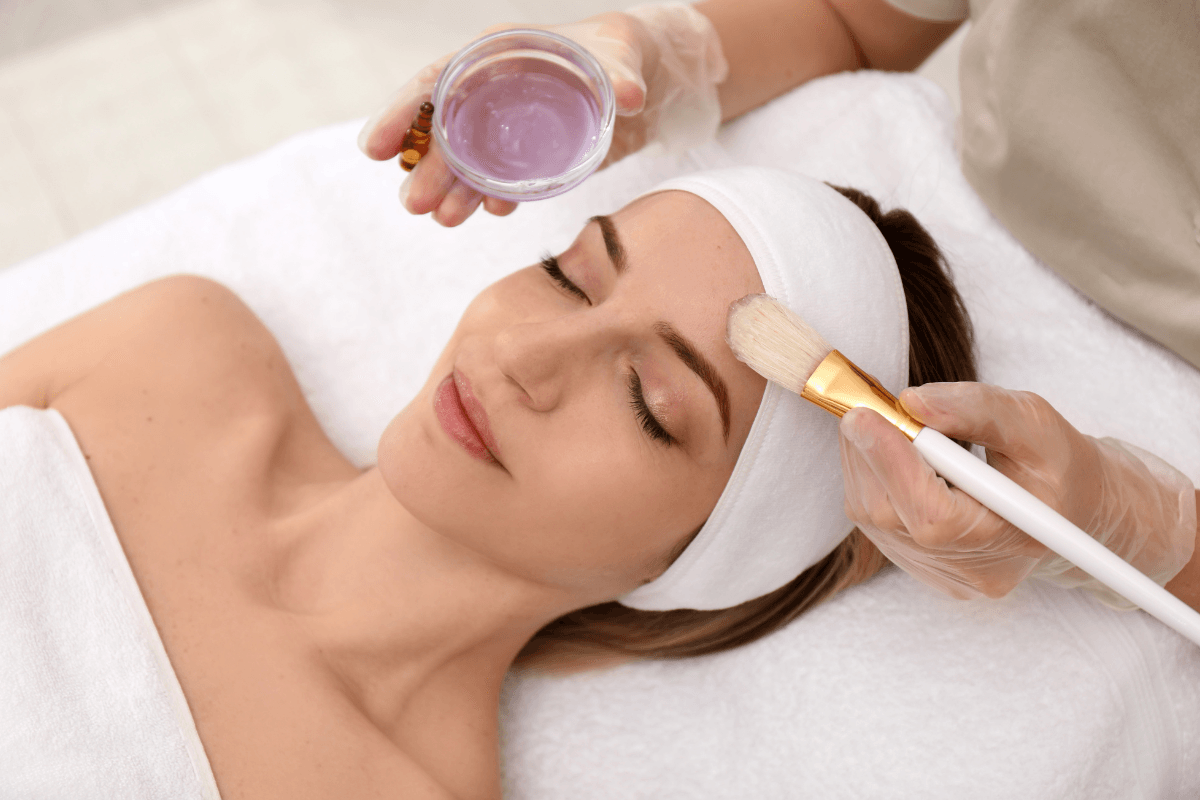
There is a particular kind of calm that belongs to an aesthetic clinic. It is not the hush of a spa exactly, nor the brisk efficiency of a medical office. It sits somewhere between the two: soft lighting, polished surfaces, careful language, and a sense that every gesture has been thought through before the door ever opens.
In that space, treatments are rarely just treatments. They become rituals of confidence, curiosity, and expectation. A person arrives with a question about their skin, but also with a quiet hope that someone will know how to translate that question into a considered experience.
That is why the idea of a treatment protocol, even when it sounds technical from the outside, carries a surprisingly human weight. It is the invisible choreography behind the visible result. It is the difference between improvisation and intention.
Beauty Has Become More Deliberate
Modern aesthetics has moved far beyond the old language of quick fixes. The conversation now feels more measured. People talk about texture, glow, maintenance, subtlety, and the art of looking rested rather than dramatically altered. Even the word “peel,” once associated with intensity and downtime in the popular imagination, has become part of a wider vocabulary of renewal.
What stands out is not only the treatment itself, but the care surrounding it. The preparation. The setting. The way a practitioner studies the person in front of them instead of treating skin as an isolated surface. In licensed clinics, structure is part of the atmosphere. It reassures clients that beauty is not being rushed.
A protocol, in this sense, is less like a rigid script and more like a score for a piece of music. It creates rhythm. It gives each stage a place. It allows the practitioner to move with confidence while still responding to the individual sitting in the chair.
The Client Notices More Than They Say
Clients may not know every technical detail behind a professional skin treatment, and most do not need to. But they notice tone. They notice whether the room feels prepared. They notice whether the practitioner seems present, whether the conversation feels calm, whether the process unfolds with steadiness rather than guesswork.
This is part of what makes professional aesthetics so interesting culturally. The most meaningful details are often not the dramatic ones. They are small signals: the measured explanation, the pause before beginning, the clean sequence of steps, the sense that nothing is being performed casually.
There is trust in that kind of order. Not the loud kind, but the quiet kind that builds as a client realizes the experience is being held by someone trained to understand boundaries, expectations, and nuance.
For readers exploring the professional side of this subject, Med Wholesale Supplies offers a related reference on clinic-focused peel protocols, which reflects how much attention the industry gives to structure behind the scenes.
The Appeal of the Almost Invisible
One of the more fascinating shifts in beauty culture is the growing appreciation for results that do not announce themselves. The most desired outcome is often not a face that looks “done,” but skin that looks quietly cared for. This has changed the emotional tone of treatment rooms.
The fantasy is no longer only transformation. It is continuity. People want to feel like themselves, just slightly more aligned with how they wish they appeared on a good day. That preference places new importance on subtle methods, professional judgment, and realistic pacing.
Within this mindset, a clinic’s approach becomes part of its identity. Some spaces feel theatrical. Others feel minimalist and clinical. Some speak in the language of luxury, others in the language of precision. But the best experiences tend to share one quality: they make the client feel that care has a shape.
That shape is created through repetition and refinement. Not mechanical repetition, but practiced attention. The kind that comes from knowing why each part of an experience exists.
When Procedure Becomes Atmosphere
It is easy to think of protocol as something that belongs only in manuals, training rooms, or back-office conversations. But clients feel it, even if they never name it. A thoughtful sequence changes the energy of a service. It removes uncertainty. It lets the practitioner focus less on deciding what comes next and more on observing what is happening now.
There is elegance in that. The best professional environments often make complexity feel simple. A client might only remember that the appointment felt smooth, that explanations were clear, that the pace was unhurried. Behind that impression may be layers of preparation, education, and professional discipline.
This is true across many fields, but it feels especially visible in aesthetics because the work is so personal. Skin is public and private at once. It is how people meet the world, but also where they store sensitivity, insecurity, and memory. Any treatment that touches that boundary carries emotional meaning, whether openly discussed or not.
A New Kind of Beauty Literacy
The rise of more informed clients has also changed the clinic experience. People arrive having read, watched, compared, and wondered. They may not be experts, but they are rarely blank slates. They bring language from social media, fragments from friends, and expectations shaped by images that move quickly across screens.
This creates both opportunity and tension. On one hand, curiosity can make conversations richer. On the other, the online world tends to flatten nuance. It turns complex treatments into before-and-after moments, as if the middle did not matter.
But the middle is where professional care lives. The consultation, the assessment, the restraint, the timing, the after-conversation, the decision to proceed or not proceed with a particular approach. These are not glamorous moments, but they are often the most revealing.
A clinic that values protocol is, in many ways, valuing the middle. It is saying that the process deserves as much attention as the promise.
The Calm Behind the Glow
Perhaps that is why structured aesthetic treatments continue to hold such fascination. They sit at the intersection of science, beauty, trust, and personal storytelling, without belonging entirely to any one of those categories.
For the client, the experience may begin with a wish for brighter-looking skin or a more refreshed appearance. For the clinic, it begins earlier, with choices about training, environment, communication, and consistency. Between those two perspectives is the quiet ritual of professional care.
And maybe that is the most modern part of the whole beauty conversation: not the pursuit of perfection, but the desire for thoughtfulness. Not a dramatic reveal, but a sense of being handled with care. In a world full of shortcuts and instant promises, there is something quietly compelling about a room where every step still matters.
https://medwholesalesupplies.com/prx-t33-peel-protocol-basics-for-licensed-aesthetic-clinics/