The Quiet Ritual of Wanting to Feel Clear Again
A small reflection on the moments when discomfort reshapes routine, attention, and the ordinary wish to move through the day with ease.
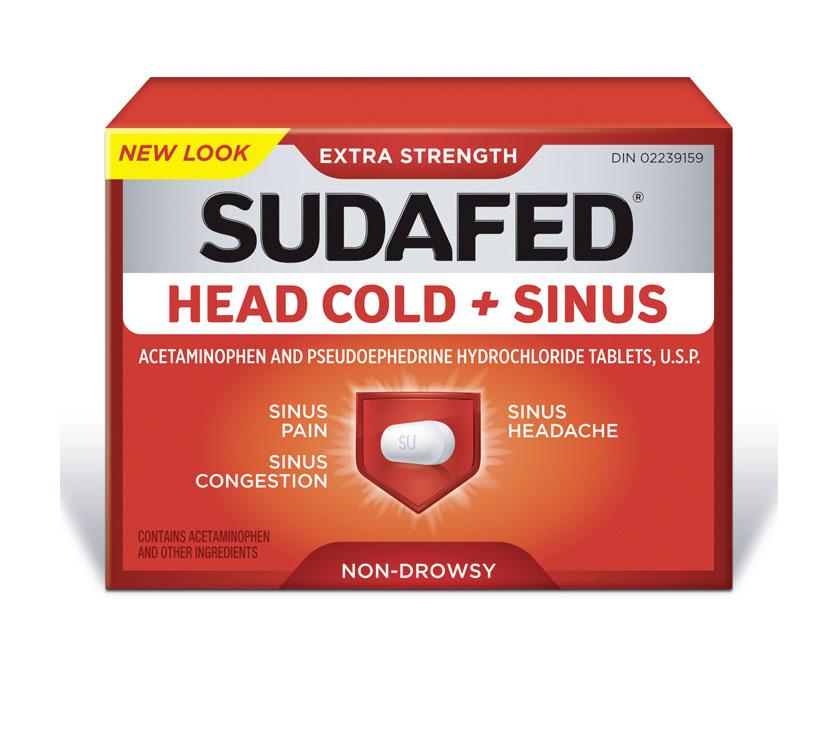
There is a particular kind of interruption that doesn’t feel dramatic enough to earn sympathy, yet manages to tint everything. It drifts into the day quietly. Thoughts feel slightly crowded. Familiar tasks lose their usual rhythm. Even the atmosphere of a room can seem less generous than it did yesterday.
That is why products built around everyday relief occupy such an oddly intimate place in modern life. They sit somewhere between habit and hope, less like grand solutions and more like small companions to the ordinary struggle of staying functional when the body feels uncooperative. A page like this one gestures toward that familiar threshold: the moment when someone is not in crisis, but not quite themselves either.
The strange visibility of minor discomfort
There is something culturally revealing about the way people talk about these in-between states. Major illness invites seriousness. Perfect health disappears into the background. But those hazy, congested, slowed-down days create a different kind of awareness. Suddenly, breathing, resting, focusing, and even carrying on a conversation seem less automatic than usual.
It is often in those moments that daily life becomes newly visible. The commute feels longer. The office sounds sharper. The grocery store lights seem almost theatrical in their brightness. Minor discomfort has a way of turning ordinary environments into something slightly exaggerated, as if the world itself has been nudged out of alignment.
A pharmacy shelf is also a map of expectation
Look closely at the language surrounding everyday remedies and you can see a broader story about contemporary life. We don’t just want comfort. We want continuity. We want the version of the day we expected to have.
That may be why these products are often less about drama than about restoration. Their presence suggests a very modern hope: that interruption can be softened, routine can be rescued, and the self we planned to be this afternoon can still make an appearance.
There is something touching in that. Also something revealing. So much of adult life is built on a quiet agreement with ourselves that we will keep going, keep showing up, keep answering messages, keep making dinner, keep being recognizable to others. When the head feels heavy or the senses seem dulled, it is not only physical comfort that feels altered. Identity does too, at least for a while.
The emotional weather of not feeling quite right
People often underestimate how much mood is tied to small bodily shifts. Not in a dramatic sense, but in the subtle emotional weather of a day. A person may become less patient, less social, less interested in turning toward the world. The body narrows attention. It asks to be noticed.
And yet the culture around minor ailments tends to be brisk. Push through. Hydrate. Rest if you can. Carry on. There is little ceremony around feeling off in ordinary ways, even though these are among the most common experiences people share.
Perhaps that is why the ritual matters. The tea, the tissues, the pause in plans, the quick glance at a label, the hope attached to a familiar box on a store shelf. None of it is epic. But it is human-scale care, the kind that rarely gets written into larger stories.
Relief as a form of imagination
What stands out most is how much imagination lives inside the idea of feeling better. Before any change arrives, there is already a picture in the mind: clearer thoughts, an easier afternoon, a night that feels less interrupted, a return to ordinary movement through ordinary space.
That imagined return is powerful. It explains why people remember certain products not only as items, but as scenes. A bedside table. A coat pocket. A kitchen counter under low light. Relief, or the possibility of it, often becomes attached to place and routine. It enters memory as atmosphere.
This is partly why everyday remedies feel larger than they are. They participate in a deeply recognizable emotional pattern: the wish to shorten the distance between discomfort and normality. Not perfect vitality. Just normality. Enough ease to stop thinking about the body every minute.
The modest drama of getting back to yourself
There is no need to make too much of it. Yet there is also no reason to dismiss it. Small disruptions teach people how much they rely on invisible forms of ease. They reveal that comfort is not extravagant; it is structural. It helps shape concentration, patience, sociability, and the ability to feel at home in one’s own day.
Maybe that is the quiet appeal behind products associated with head colds and sinus pressure. They belong to a category of objects that are not especially glamorous, but deeply familiar. They appear when the body asks for a softer version of time.
And perhaps that is all many people are really seeking in such moments: not transformation, not perfection, just a little less friction between themselves and the day ahead.
https://canadianinsulin.com/product/sudafed-head-cold-sinus/