The Quiet Rituals Behind a Polished Look
A reflective look at how modern beauty routines have become part ritual, part conversation, and part private negotiation with change.
There is a particular kind of hush that surrounds beauty choices now. Not secrecy exactly, and not spectacle either. More like a pause before a mirror, a moment when someone studies the familiar map of their own face and wonders what they want to keep, soften, emphasize, or simply understand.
We live in a time when appearance is both deeply personal and strangely public. A face can be a passport photo, a video call thumbnail, a family memory, a professional introduction, a casual selfie taken under bad kitchen lighting. It moves between private feeling and social display so quickly that it can be hard to tell where one ends and the other begins.
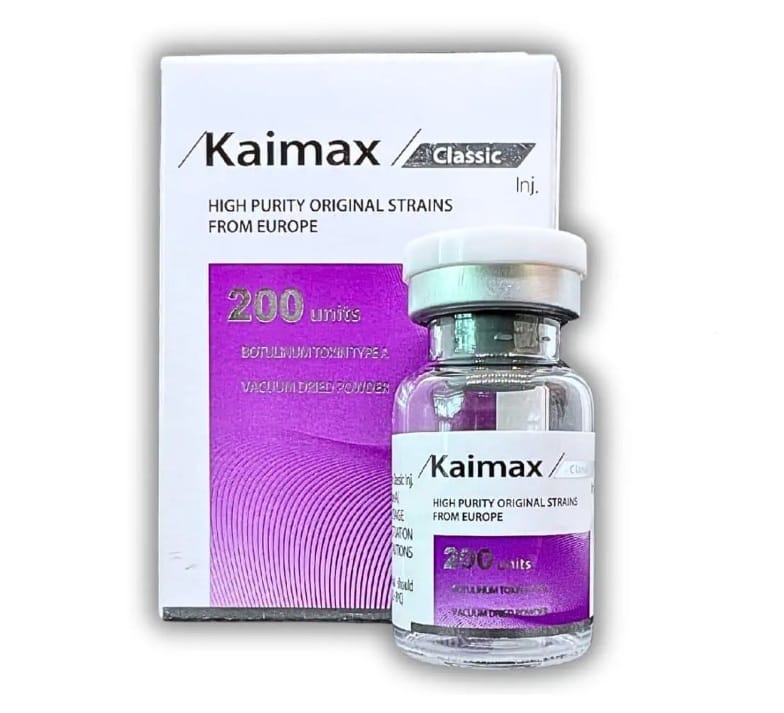
That is why products and procedures connected to aesthetics often carry more cultural weight than their packaging suggests. A name on a product page, such as the listing for Kaimax 200U, may look brief and technical at first glance. But around it gathers a much larger story: the way people think about age, expression, maintenance, confidence, and the subtle art of deciding how much change feels like enough.
The new language of upkeep
Once, the phrase “beauty routine” might have meant a small set of predictable objects: a jar, a comb, a lipstick, a razor, a splash of fragrance. Today the idea is wider and more layered. It includes appointments, research, quiet recommendations, before-and-after glances, online forums, and conversations that begin with curiosity but often lead somewhere more philosophical.
People no longer talk only about looking younger. In many circles, that language has started to feel too blunt, too narrow, too attached to an old promise nobody fully believes. The more interesting phrase is looking like oneself. It sounds simple, even modest, but it contains a complicated wish. Which version of the self? The rested one? The expressive one? The one remembered from a certain photograph? The one that feels aligned with an inner mood?
This is where modern aesthetics becomes less about vanity and more about interpretation. A face is not a fixed object. It is weather, memory, habit, sleep, laughter, stress, genetics, lighting, and time. To make any choice about it is to enter a conversation with all those forces at once.
A culture of small adjustments
There is something very contemporary about the preference for subtlety. Dramatic transformation still exists, of course, and it has its own visual language. But much of today’s aesthetic culture seems drawn to the almost invisible adjustment, the change that is noticed without being named.
This preference says something about the moment we are living in. People want agency, but they also want continuity. They want to feel refreshed without becoming unrecognizable. They want to participate in beauty culture without seeming consumed by it. The most admired result is often the one that looks effortless, even when effort is clearly part of the story.
That tension is everywhere. It appears in skincare shelves arranged like miniature laboratories. It appears in the way people compare lighting before joining a video meeting. It appears in the soft joke of saying, “I just look tired,” when what is really being discussed is the gap between how one feels and how one appears to others.
Aesthetic choices often live inside that gap.
The mirror as a negotiation
The mirror is not a neutral object. It changes its meaning depending on the day. On some mornings it is practical: teeth, hair, collar, done. On others it becomes strangely narrative. It suggests fatigue, resilience, surprise, softness, or a version of the self that has been quietly changing without asking permission.
That can be unsettling, but it can also be tender. Not every encounter with change is a crisis. Sometimes it is simply a moment of recognition. The face records life, but it does not always record it in ways that feel fair. A season of pressure may leave more visible traces than a season of joy. A person may feel vivid, capable, and open, while the reflection seems to insist on another story.
This is part of why aesthetic maintenance remains such a persistent subject. Beneath the surface lies a desire for coherence. People often want the outside to speak in a tone that feels closer to the inside. Not perfect. Not erased. Just nearer.
Beyond the easy judgments
It is tempting to judge beauty decisions from a distance. Too much, too little, unnecessary, obvious, indulgent, empowering, conformist. The vocabulary of judgment is always ready. But real life tends to be less tidy.
One person may see aesthetic care as a private pleasure. Another may see it as professional polish. Someone else may approach it with hesitation, curiosity, skepticism, or quiet relief. The same choice can mean different things depending on who is making it and why.
That ambiguity is worth preserving. The culture around appearance often demands simple positions, but the human experience of appearance is rarely simple. We inherit faces, edit routines, absorb comments, resist trends, follow trends, change our minds, and carry old insecurities into new decades. None of that fits neatly into a slogan.
The elegance of intention
Perhaps the most interesting part of modern beauty culture is not the product, the appointment, or the visible result. It is the intention behind the pause. The small decision to notice oneself. The willingness to ask, without urgency, what feels aligned now.
There is no single correct relationship to appearance. Some people lean into every line and shadow as evidence of a life fully inhabited. Others prefer a sense of refinement, a softened edge, a refreshed impression. Many move between these positions over time, depending on mood, age, circumstance, and the quiet evolution of taste.
What remains constant is the human desire to feel at home in one’s own presentation. That desire can be humble. It can be artistic. It can be conflicted. It can even be ordinary.
And maybe that is the point: behind the polished surfaces and specialized names is a familiar question. How do we meet change without losing ourselves? The answer is rarely dramatic. More often, it is found in small rituals, private choices, and the ongoing practice of looking closely without looking harshly.