The Quiet Rituals Behind a Smoother Appointment
A reflective look at how small details shape the atmosphere of modern aesthetic visits, from anticipation to trust.
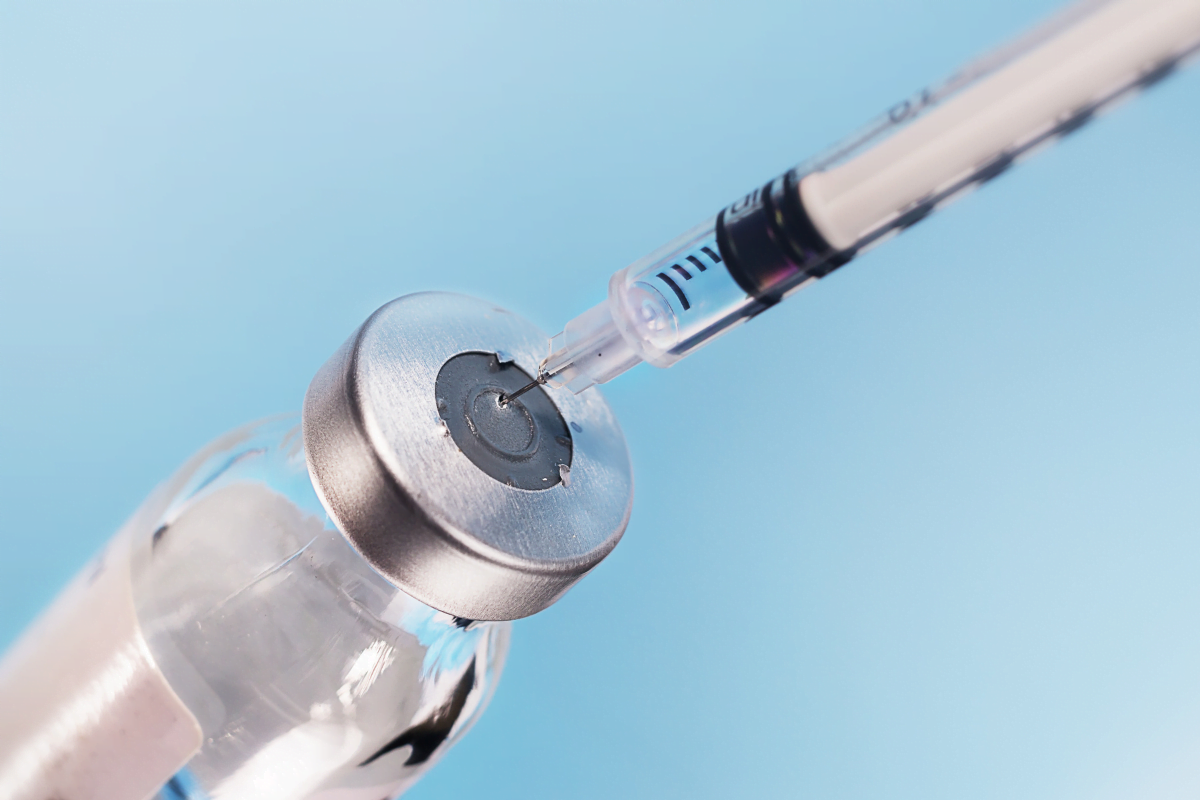
There is a peculiar kind of choreography to modern aesthetic appointments. It is not the choreography of grand gestures, but of small signals: the lowered voice at reception, the careful pause before a mirror is handed over, the way a tray is arranged so nothing feels hurried. For many people, the experience begins long before anything visible happens. It begins in the imagination.
That is where comfort, expectation, and ritual all meet.
In conversations around injectables and cosmetic treatments, attention often rushes toward the visible result. Faces, contours, before-and-after images, the language of refinement — these tend to dominate the frame. But behind that public-facing story is another one, quieter and less photographed: the atmosphere of the appointment itself. The human experience of sitting in the chair. The subtle negotiation between curiosity and nervousness. The desire to feel both transformed and looked after.
The mood of care
Aesthetic spaces have become unusually interesting cultural rooms. They are part beauty studio, part clinical environment, part personal decision chamber. People arrive with different levels of certainty. Some are relaxed and familiar with the process. Others are alert to every sound, every object, every word.
This is why the small elements matter. Not simply because they support a professional routine, but because they change the emotional texture of the visit. A detail that seems technical from one angle may feel deeply human from another. Something included as part of preparation can become, to the person in the chair, a sign that their comfort has been considered.
That distinction is worth noticing. In a culture that often treats cosmetic choices as either indulgent or purely visual, the experience itself can be overlooked. Yet people remember how they felt. They remember whether the room seemed calm. They remember whether the pace allowed them to settle. They remember if the practitioner appeared attentive rather than automatic.
A related discussion of comfort considerations in filler appointments reflects how much attention is now placed on the experience surrounding the procedure, not just the visible endpoint.
When the invisible becomes important
Some of the most meaningful parts of an appointment are not especially photogenic. They do not translate well to social feeds. There is no dramatic image for a calmer breath, a more relaxed shoulder, or the sense that a process has been thoughtfully paced.
Still, these invisible elements shape the story people carry away.
In many contemporary beauty settings, comfort has become part of the aesthetic language. Not in a loud or decorative way, but as a kind of atmosphere. Soft lighting, measured explanations, familiar routines, and small preparatory steps all contribute to a feeling that the appointment is not just something being done, but something being guided.
This does not make the experience casual. If anything, it shows how seriously people take the emotional side of personal presentation. A face is not merely a surface. It is tied to identity, memory, confidence, and sometimes vulnerability. Any process involving it can carry a charge that is difficult to explain from the outside.
The chair as a threshold
There is a moment in many appointments when conversation shifts. The person is no longer browsing, researching, or wondering. They are there. Seated. Present. A decision has moved from the abstract into the physical world.
That threshold can be surprisingly powerful.
For some, it brings excitement. For others, a flicker of doubt. Often it is both. Modern aesthetic culture is full of this duality: wanting change but wanting it to feel subtle; seeking expertise while wanting agency; trusting a process while remaining deeply aware of one’s own face.
The best appointment environments seem to understand this tension. They do not erase it with forced cheerfulness or drown it in technical language. Instead, they make room for it. They allow the person to ask, pause, reconsider, breathe. They treat composure not as a luxury, but as part of the experience.
That may be why discussions about comfort are becoming more central. They point to a broader shift in how people think about aesthetic care. The result still matters, of course, but the path toward it matters too. The story is not only what changed, but how the person felt while change was being considered.
A quieter definition of polish
Polish used to suggest finish: the final look, the completed surface, the visible outcome. Now it can also suggest the manner in which an experience unfolds. Was it rushed or steady? Was it transactional or attentive? Did the room invite confidence, or merely efficiency?
These questions belong to a larger cultural moment. We are increasingly aware that design is not only what something looks like; it is how something feels to move through. Aesthetic appointments are no exception. Their design includes language, timing, expectation, preparation, and the small gestures that help a person feel oriented.
Perhaps this is the quiet evolution happening around beauty work. The conversation is widening. It is less only about enhancement and more about experience. Less only about the mirror and more about the minutes before the mirror returns.
There is something revealing in that shift. It suggests that people do not simply want outcomes detached from context. They want to feel considered inside the process. They want the practical details to carry a sense of care. They want the visible and invisible parts of the appointment to belong to the same story.
And maybe that is what makes the smallest rituals so memorable. They remind us that even in a culture fascinated by results, the feeling of being gently attended to still matters.