The Quiet Rituals Behind Feeling Settled
A reflective look at how ordinary choices around comfort become part of modern routines, expectations, and private decision-making.
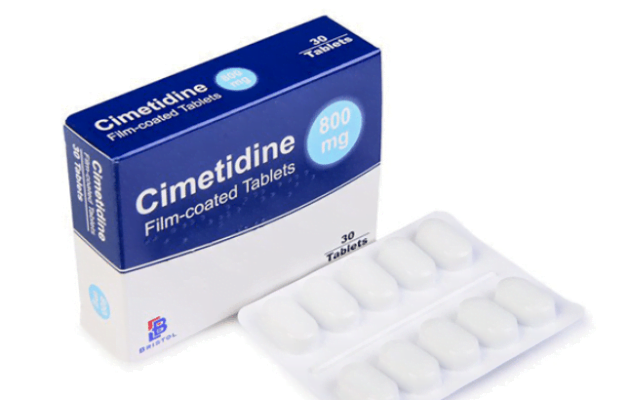
Some choices announce themselves loudly. Others sit in the cabinet, tucked behind cough drops and half-used sunscreen, waiting for the small, familiar moments when the body interrupts the day.
There is something quietly revealing about the way people think about everyday relief. Not the dramatic kind that belongs to emergencies or grand transformations, but the modest kind: the desire to feel normal enough to return to dinner, sleep, conversation, travel, or work without making the body the center of attention. That desire shapes more of modern life than we usually admit.
The conversation around acid-related discomfort often appears, on the surface, to be about comparing options. Names get placed side by side. Labels are read. Experiences are traded in kitchen conversations, online searches, and brief remarks at the end of meals. A person may begin with a simple question and discover that the question is not only about a product, but about timing, trust, memory, and the wish to make an ordinary day less interrupted.
A related discussion at Border Free Health touches on this familiar landscape of comparison, but the wider human story is less about names and more about how we make sense of small decisions when comfort is involved.
The cabinet as a map of past experiences
Open almost any household medicine cabinet and it becomes a strange little archive. There are the things bought for a trip, the things recommended by someone dependable, the things kept just in case, and the things purchased after one inconvenient night. Each item carries a story, even if no one says it aloud.
A bottle on a shelf can become associated with a specific kind of evening: a late meal, a stressful week, a vacation that involved too much coffee, or a season when the body felt less predictable than usual. Over time, the cabinet stops being only storage. It becomes a map of trial, habit, reassurance, and caution.
This is why comparison is rarely as simple as it looks. People are not comparing labels in a vacuum. They are comparing the memory of what happened last time, the confidence they have in a familiar routine, the unease of trying something different, and the quiet pressure to choose correctly.
Modern comfort has its own language
We live in a culture that likes clarity. It asks for categories, rankings, best choices, cleaner answers. But the body often speaks in impressions rather than bullet points. It says, “not quite right,” “better than before,” “maybe that helped,” or “I should pay attention to this.”
That ambiguity can be frustrating. It is also deeply human.
Everyday health decisions often happen in the space between certainty and instinct. Someone reads, remembers, asks, pauses, and decides. They may not be seeking a perfect answer so much as a sense of orientation. The act of comparing becomes a way to reduce the fog.
There is a cultural layer here too. Many people have become more involved in their own care, more accustomed to reading labels, browsing explanations, and arriving at appointments with sharper questions. This does not make every person an expert, nor does it need to. It simply reflects a shift in how people relate to their own routines. Passive trust has given way, in many households, to a more active kind of attention.
The small tension between familiar and new
One of the most common tensions in ordinary decision-making is whether to stay with what is known or consider something else. Familiarity has emotional weight. It feels efficient. It feels safe, even when the reasons are partly personal and partly practical.
But curiosity has weight too. A person may wonder why one option is mentioned more often than another, why someone they trust prefers a different choice, or why their own routine no longer feels as certain as it once did. That wondering does not always signal dissatisfaction. Sometimes it is simply the mind doing what it does: updating the map.
The trouble is that health-related choices, even minor ones, can feel larger than they are because they involve the body. A decision that might seem mundane from the outside can carry private emotional static. Nobody wants to feel careless. Nobody wants to overthink every small discomfort either. Between those two impulses sits a very modern kind of fatigue: the burden of having too much information and still wanting a simple evening.
Relief as a return to the background
Comfort is often described as something we gain, but in daily life it may be closer to something we stop noticing. The best version of ordinary relief is not always dramatic. It is the return of background music. The body quiets down enough for the rest of life to move forward.
That may be why these small comparisons matter. They are not only about what sits on a shelf. They are about the hope that dinner can be dinner, sleep can be sleep, and travel can be travel. They are about the wish to participate in life without constantly negotiating with discomfort.
There is humility in that. The body does not always cooperate with our schedules, our social plans, or our ideas about control. It reminds us that being human involves maintenance, adjustment, and occasional uncertainty. We learn our patterns. We revise them. We talk to people we trust. We make choices and keep living.
In the end, the most interesting part of these everyday comparisons may not be the comparison itself. It may be the way they reveal a quieter truth: modern life is full of tiny rituals designed to help us feel steady. Some are emotional, some practical, some tucked behind a mirrored cabinet door. All of them speak to the same basic longing — to feel at home in the body, at least for a little while.