The Quiet Rituals We Build Around Change
A reflective look at how modern routines, private hopes, and unfamiliar objects shape the way people think about personal change.
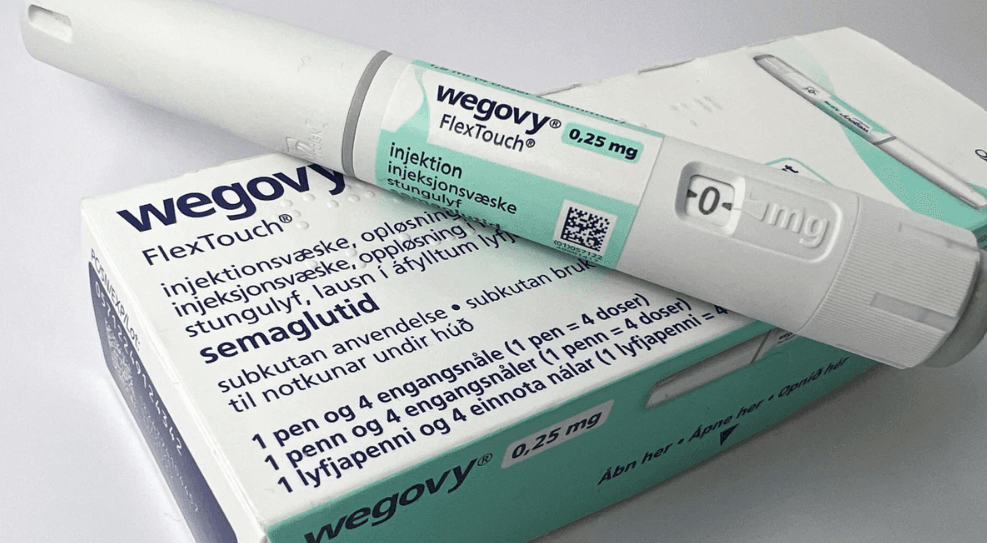
There are certain objects that enter everyday life with a strange kind of gravity. They may be small enough to fit in a drawer, simple enough to be overlooked on a countertop, and yet they carry an atmosphere around them. Not because of what they promise on their own, but because of what people project onto them: anticipation, hesitation, discipline, secrecy, relief, doubt.
In recent years, conversations around health-related products have shifted from hushed corners into the broader language of lifestyle, identity, and personal momentum. A name like Wegovy Flextouch may appear first as a product listing, such as the one found at Med Wholesale Supplies, but the wider cultural story is less about a label and more about the rituals people build around change.
The private architecture of a new routine
Change rarely arrives as a cinematic turning point. More often, it is logistical. It involves remembering, arranging, storing, waiting, deciding, and folding something unfamiliar into the existing clutter of a life.
A new routine does not simply ask for space in a calendar. It asks for emotional space too. It asks to sit beside the coffee mugs, the phone charger, the half-read book, the unpaid bill, the grocery list, and all the other objects that testify to the unfinished business of being human.
That is what makes modern wellness culture so interesting. It is often discussed in bold, public terms: transformation, discipline, progress, goals. But in practice, much of it happens quietly. The meaningful parts are not always visible. They live in small negotiations with oneself.
Someone might not talk about the moment they decide to begin something new. They may not announce the uncertainty that comes with it. They may simply adjust a shelf, change a reminder on their phone, or create a little ritual that makes the unfamiliar feel manageable.
Why ordinary objects become symbolic
Objects are never just objects once they are tied to expectation.
A pair of running shoes can become a symbol of reinvention before they ever touch a trail. A notebook can feel like proof of a future self who is more organized. A kitchen scale, a water bottle, a pill organizer, a wearable device, a meal plan stuck to the fridge—all of these can carry meanings far beyond their practical use.
They become props in the theater of self-adjustment.
This is not necessarily foolish or sentimental. Humans have always used objects to mark transitions. We keep souvenirs, wear uniforms, exchange rings, light candles, place photos in frames, and save ticket stubs from evenings we do not want to forget. Material things help us make abstract intentions feel real.
So when a health-related product enters a person’s routine, it may bring with it a similar symbolic charge. It can represent a decision already made, a conversation already had, or a hope that has become sturdy enough to require a physical place in the home.
The tension between privacy and visibility
One of the more curious features of contemporary health culture is how public and private it has become at the same time.
On one hand, social feeds are full of transformation language. People share milestones, resets, routines, and reflections with an openness that would have seemed unusual not long ago. On the other hand, many of the most important details remain deeply personal. The public may see confidence, but not ambivalence. It may see an outcome, but not the awkward beginning.
This creates a quiet tension. People are encouraged to narrate their lives as progress stories, yet real change rarely moves in a clean line. It loops. It pauses. It gets interrupted by travel, stress, celebrations, discouragement, boredom, and the simple fatigue of being consistent.
Perhaps that is why the private ritual matters. It does not need an audience. It does not need to be persuasive. It only needs to be repeatable enough to become part of the day.
The modern appetite for control
There is also something very contemporary about the desire to make change feel trackable. We live in an age of dashboards and notifications, of measured sleep and counted steps, of apps that turn mood, movement, meals, and money into patterns.
This can be comforting. It can also be exhausting.
The more life becomes measurable, the more people may long for certainty in areas that have always been uncertain. The body, however, resists being treated like a spreadsheet. It has moods, seasons, histories, and mysteries. It responds not only to plans, but to grief, joy, weather, work, hormones, memory, and time.
That does not make routines meaningless. It makes them human. A routine is not a guarantee. It is a conversation with uncertainty.
A softer way to think about beginnings
The cultural conversation around health often leans toward dramatic before-and-after thinking. But beginnings deserve more nuance than that. A beginning can be tentative. It can be hopeful without being loud. It can be serious without being severe.
Sometimes the first sign of change is not a visible result, but a shift in attention. A person notices their own patterns differently. They become aware of the stories they tell themselves. They start to see which habits are comforting, which are automatic, and which are ready to be questioned.
That kind of noticing is easy to underestimate because it does not photograph well. It is not glamorous. It is not a headline. But many meaningful changes begin as a small disturbance in perception: a sense that the old way of moving through the day no longer fits quite right.
The object and the story around it
A product name can be precise, practical, and commercial. The story around it is usually messier. It includes the person who researches quietly at night, the person who feels hopeful but cautious, the person who keeps their routine private, and the person who is still deciding what change means to them.
That is the part worth paying attention to—not as instruction, not as spectacle, but as a glimpse into how people try to make their lives feel more aligned with their intentions.
In the end, the most revealing thing may not be the object itself. It may be the way someone makes room for it, the meaning they attach to it, and the quiet promise they hear when a new routine begins.
https://medwholesalesupplies.com/product/wegovy-flextouch-1mg/