The quiet rituals we keep on the bathroom shelf
A reflective look at how small personal-care objects become part of routine, perception, and the private architecture of daily life.
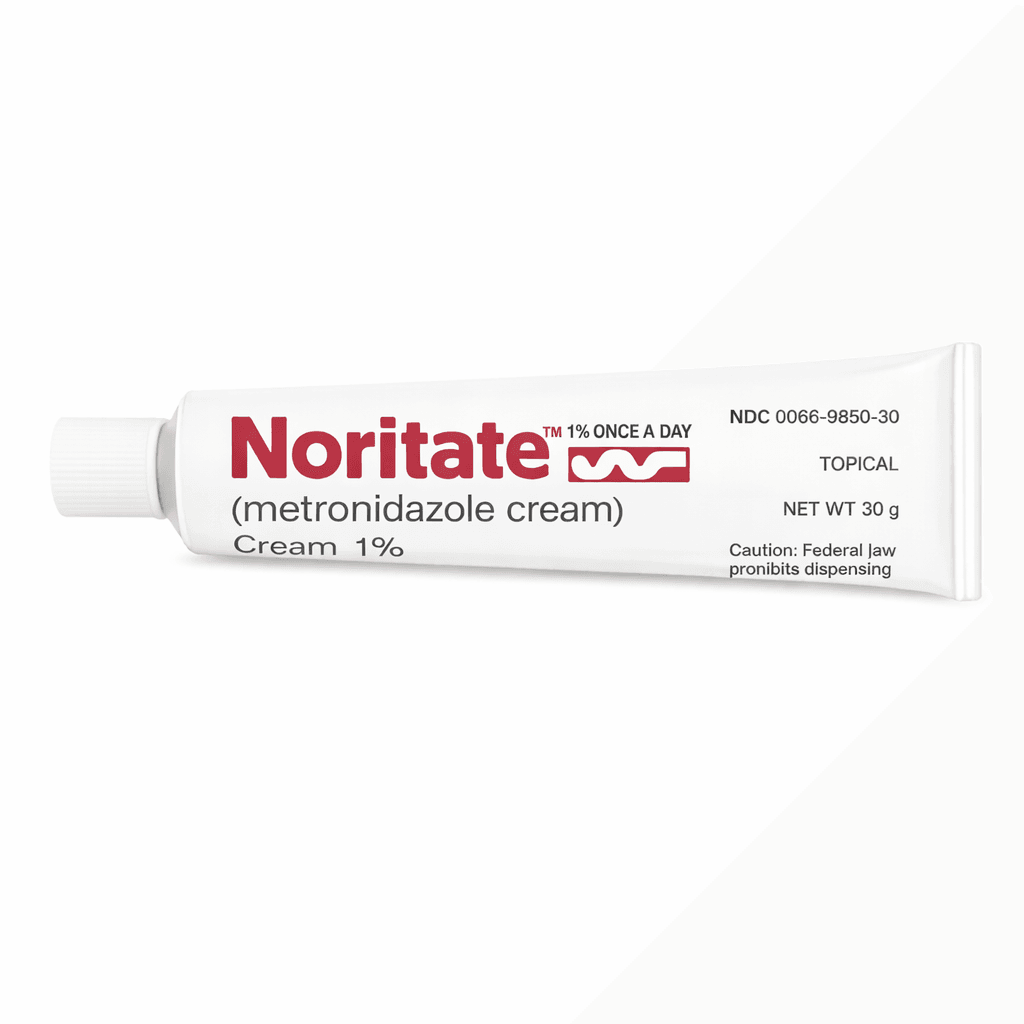
There is a particular kind of object that lives quietly in the bathroom, neither decorative nor dramatic, but somehow important. It sits near the sink or inside a cabinet, beside toothbrushes, cotton pads, razors, hair ties, and the little odds and ends that make up the backstage of being a person.
A cream tube or jar can seem almost too ordinary to notice. It does not ask for attention. It is not a statement piece. Yet the moment it becomes part of a routine, it takes on a different kind of presence. It belongs to that intimate category of things we reach for when no one is watching, when the day is beginning or closing, when the mirror is less a surface and more a pause.
That may be why products like the one listed by Border Free Health sit at the intersection of practical need and personal ritual. The name on the package may be specific, but the human behavior around it is much broader: the act of noticing something about oneself, making space for care, and returning to the same small gesture again and again.
The private life of routine
Bathrooms are full of evidence. They tell stories in miniature. A nearly empty cleanser says something about repetition. A forgotten travel bottle suggests a trip long over. A carefully replaced cap hints at someone who likes order, while a crowded shelf might reveal a person still trying things, still comparing textures, still learning what feels right.
Personal-care routines are often discussed as if they are purely functional. But anyone who has ever stood under fluorescent bathroom light at the end of a difficult day knows there is more going on. The smallest acts can feel grounding. Washing a face, applying a cream, brushing hair, smoothing fabric, setting out tomorrow's clothes: these are not grand transformations. They are quiet negotiations with time.
A routine can become a way of saying, without words, that the body is not just something to manage. It is something to live with.
The shelf as a map of attention
What earns a place on the bathroom shelf is rarely accidental. Space is limited. Objects compete for visibility. Some are used once and disappear into the back of a drawer. Others remain in plain sight because they have become connected to a pattern.
There is a subtle psychology in that placement. The things we keep within reach are often the things we have decided deserve our attention. Not necessarily because they are glamorous, or even because they are new, but because they belong to a recurring moment of care.
This is where the language around creams and skin products can become unexpectedly emotional. A product may be talked about in terms of texture, packaging, or familiarity, but beneath that is a quieter story about consistency. The repeated opening and closing. The glance in the mirror. The waiting. The uncertainty. The hope that small gestures accumulate into a sense of steadiness.
Between self-care and self-scrutiny
Modern personal care sits inside a contradiction. On one hand, routines can be calming, even tender. On the other, they can become tangled with scrutiny. The mirror can be a place of care, but it can also be a place where people examine themselves too closely, searching for what has changed, what has improved, what still seems unresolved.
That tension is part of why bathroom objects carry such cultural weight. They are not merely items. They belong to a world of expectations: how to look rested, composed, comfortable, unaffected. Even when no one says these things aloud, they hover in the background.
And yet, not every ritual is a performance. Some are private in the truest sense. They are not about presenting a perfected self to the world, but about having a familiar sequence to return to. A cream on a shelf may be part of that sequence: not a symbol of vanity, but a reminder that care often happens in small, repetitive, unremarkable ways.
The comfort of the repeatable
There is something deeply human about repeatable actions. We make coffee the same way. We take the same route home. We fold towels according to inherited logic. We keep certain objects in fixed places because the world already asks us to improvise enough.
In that sense, personal-care items become anchors. They mark time without announcing it. Morning. Evening. After a shower. Before sleep. Before stepping outside. After coming home.
The repetition is not always glamorous, but it can be reassuring. A routine does not need to be elaborate to matter. Sometimes its value is precisely that it is small enough to survive busy weeks, low moods, travel, weather, and all the other frictions of ordinary life.
A small object, a larger pattern
The cultural conversation around care often swings between extremes. One moment, everything is framed as optimization. The next, simplicity is praised as a kind of virtue. Most people live somewhere in between. They try things. They keep what fits. They abandon what feels unnecessary. They learn, gradually, which objects belong in their daily orbit.
A cream, then, is more than a product category. It is part of a larger pattern of attention: how people notice themselves, how they respond to discomfort or change, how they build rituals that feel manageable. It is less about the object alone and more about the relationship formed around it.
Perhaps that is why the bathroom shelf is so revealing. It holds the tools of maintenance, yes, but also traces of hope, habit, patience, and personal history. In a culture that often celebrates big reinventions, there is something quietly compelling about the smaller acts we repeat without applause.
Not everything meaningful announces itself. Some things simply wait by the sink, ready to be folded into another ordinary day.