The Quiet Tension Between Appetite and Avoidance
A reflective look at how food lists can turn ordinary meals into moments of memory, negotiation, and self-awareness.
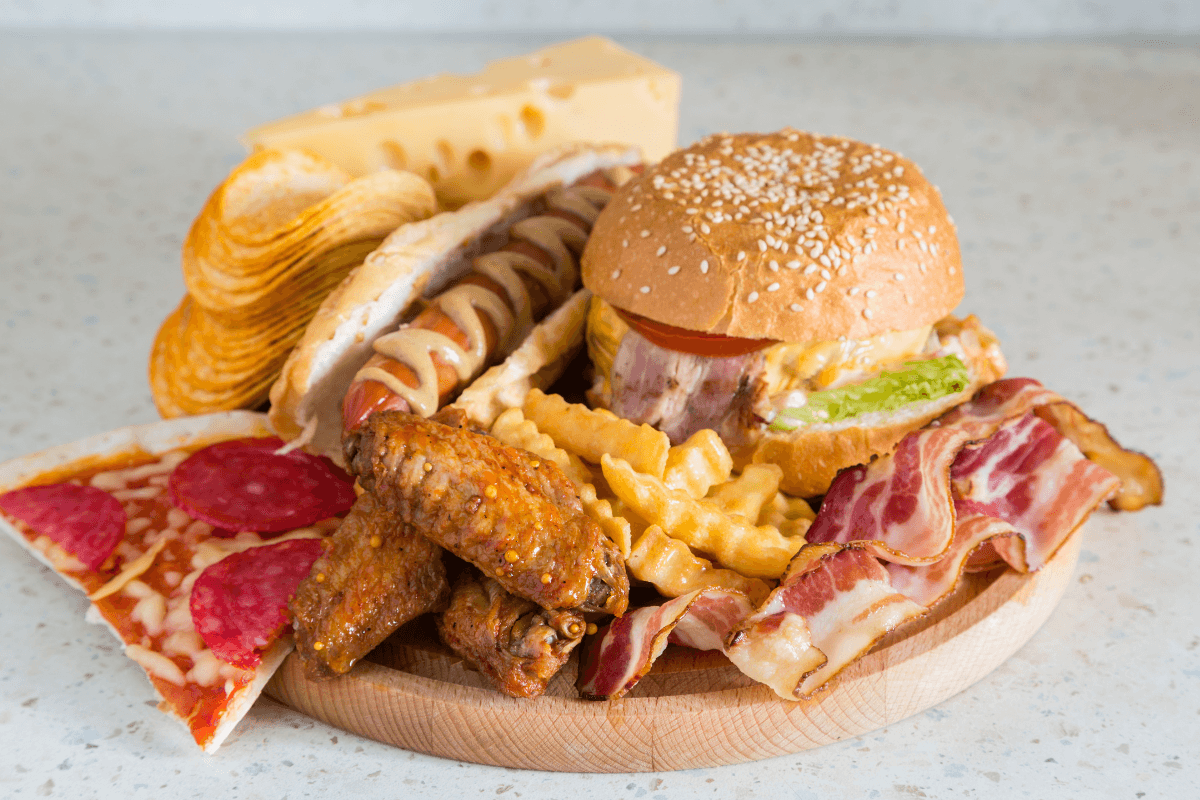
There is a particular kind of pause that happens around food when the body has become part of the conversation. It is not always dramatic. Sometimes it arrives at the edge of a menu, in the moment before saying yes to a familiar dish, or in the quiet calculation that happens while standing in front of the fridge.
For people who live with conditions shaped, at least in part, by what they eat, food can stop being merely food. It becomes atmosphere. It becomes memory. It becomes a small negotiation between pleasure, caution, habit, and identity.
Gout often appears in public conversation through lists: foods to avoid, foods to question, foods that seem to carry a reputation. A resource from Medispress reflects that familiar framing, where everyday ingredients are placed under a sharper light. But beyond the list itself is a more human story: what happens when eating becomes something you notice differently?
When a meal becomes more than a meal
Most of us inherit our food habits long before we examine them. We learn what tastes like home, what feels celebratory, what belongs at a weekend table, what gets ordered without thinking. Food is rarely neutral. It carries family rituals, regional pride, late-night cravings, holidays, comfort, rebellion, thrift, and nostalgia.
So when certain foods become linked with discomfort or concern, the change is not only practical. It can feel oddly personal. A favorite meal may suddenly seem less innocent. A festive spread may come with an internal footnote. Even the word “avoid” can feel blunt, as though a door has been closed on something that once asked nothing from us except appetite.
This is why food guidance, however ordinary it may look on the surface, can feel emotionally loaded. It asks people to revisit routines that may have been built over decades. It asks them to see the familiar from a new angle.
The culture of the list
Modern life loves lists because lists promise order. They turn uncertainty into columns. They make the messy feel manageable. In health conversations especially, lists offer a kind of comfort: here are the things to notice; here are the things that might matter.
But lists also simplify what is lived in more complicated ways. A person does not eat from a spreadsheet. They eat at weddings, in airports, during rushed lunch breaks, beside friends, after bad days, and inside old habits. The clean edges of a list meet the uneven texture of real life.
That tension is not a failure of the list. It is simply the space where ordinary living happens.
Someone may read about foods commonly discussed in relation to gout and think immediately of a family recipe, a restaurant ritual, or a holiday table. Another person may feel relief at having language for patterns they had already begun to suspect. Someone else may feel resistance, not because they dismiss the idea, but because food has always been one of the easiest ways to feel like themselves.
Appetite has a memory
One of the most interesting things about food is that taste is never only taste. A dish can remind someone of childhood, travel, courtship, grief, recovery, or belonging. This is why changing a food pattern can feel like rearranging a room where every object has a story.
Avoidance, in that sense, is not merely subtraction. It can become a kind of re-mapping. People begin to notice which cravings are physical, which are social, and which are attached to a version of life they do not want to lose. The process can be quiet and private, unfolding not as a grand transformation but as a series of small recognitions.
There may be awkwardness too. Meals with others can expose the invisible negotiations people make with their bodies. Declining something at a table often invites questions, and not everyone wants to turn dinner into a disclosure. The social side of eating can be as delicate as the physical side.
The strange intimacy of caution
Caution has a reputation for being dull, but it can also be deeply revealing. It shows us what we reach for automatically. It reveals the difference between hunger and habit. It exposes how often food decisions are shaped by mood, company, convenience, or tradition.
In conversations around gout and diet, the most compelling part may not be the forbiddenness of particular foods, but the way the topic makes visible a broader truth: bodies change the meaning of our routines. What once felt effortless may start asking for attention. What once seemed ordinary may become charged with consequence.
That does not make eating joyless. If anything, it can make the everyday meal feel more vivid. Awareness has a way of sharpening the scene. The plate is no longer background. It becomes part of a larger relationship with time, comfort, and self-understanding.
Living with the footnotes
Many people carry private footnotes through daily life. They know which chairs bother their back, which conversations drain them, which seasons change their mood, which foods make them pause. These footnotes do not always define a person, but they do shape the choreography of a day.
Food-related caution is one of those footnotes. It sits quietly beside pleasure. It does not erase appetite, but it complicates it. It asks for a different kind of attention, one that may feel inconvenient at first and familiar later.
Perhaps that is why the subject resonates beyond any single condition. It touches a universal experience: the moment when the body interrupts the fantasy that life can be lived on autopilot. Suddenly, the ordinary becomes visible. The menu, the pantry, the shared table, the festive dish — all of it asks to be seen again.
And in that seeing, there is not only restriction. There is also a strange kind of intimacy. To notice what affects us is to admit that we are not abstract beings moving through the world. We are embodied, responsive, remembering creatures. We eat with our histories, our hopes, our caution, and our appetite all at once.
https://medispress.com/health-hub/complete-list-of-foods-to-avoid-with-gout-and-why/