The Quiet Tension Between Glow and Uncertainty
A glossy treatment can carry a surprisingly human story: hope, hesitation, and the way modern beauty talks around uncertainty.
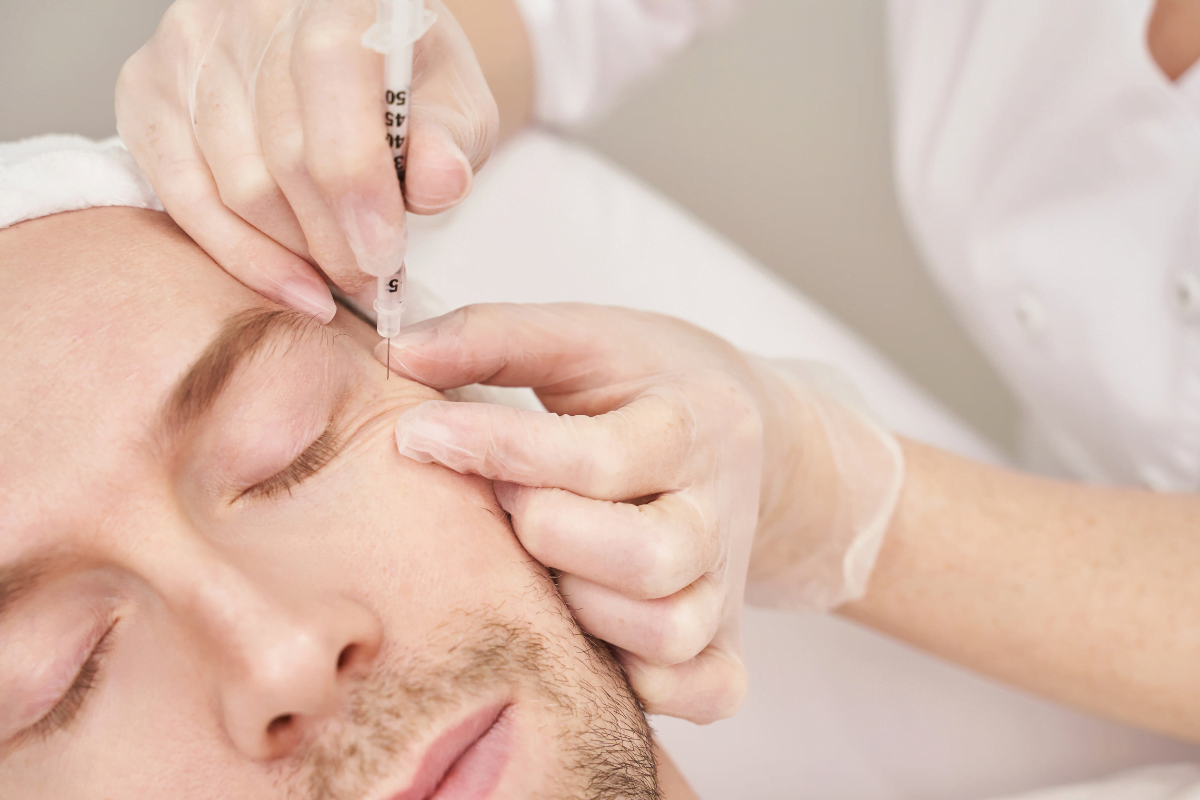
There is something revealing about the language of cosmetic culture. So much of it is built on softness: refresh, glow, boost, smooth, refine. The words arrive like warm lighting. They imply ease. They suggest a small adjustment rather than a moment of risk, reflection, or second thoughts.
That is partly why treatments like Profhilo feel larger than their names. They do not live only in clinics or consultation rooms. They circulate through whispered recommendations, bathroom-mirror hopes, before-and-after fantasies, and the private wish to look a little more like the version of yourself you remember. The emotional atmosphere around them is often far more interesting than the treatment itself.
And then there is the other side of the story: the part people tend to lower their voice for.
The modern glow comes with fine print
Beauty culture has become exceptionally skilled at making intervention feel casual. Not trivial, exactly, but ordinary. A lunch-break appointment. A quick tweak. A subtle enhancement. Even the most polished conversations are often framed to keep things moving forward, not to dwell too long on hesitation.
But people do hesitate. They always have.
The hesitation is not only about appearance. It is about trust, control, and the strange vulnerability of handing your face over to an idea. When something is presented as routine, any possibility of an unwelcome reaction can feel oddly out of place, as though uncertainty itself has broken the script.
That is why pieces that explore the less glamorous side of these treatments often feel more compelling than the glow-heavy material surrounding them. They restore proportion. They remind readers that beauty decisions are rarely just aesthetic; they are also psychological, social, and deeply tied to how people imagine safety.
A recent discussion of these concerns, found here, sits in that quieter space where fascination meets caution.
What people are really looking for
Most readers are not only searching for dramatic stories or reassurance. They are looking for tone. They want to know whether the people around a treatment speak plainly when things do not go to plan. They want to sense whether complications are treated as rare inconveniences, taboo topics, or normal parts of a serious conversation.
That distinction matters more than the polished promise of a result.
In many corners of contemporary beauty, perfection is still marketed as composure. The ideal face is not only smooth or bright; it is untroubled. It suggests a life with no visible friction. So when a treatment enters the public imagination, people often absorb more than the technique. They absorb the mood around it. Confidence. Glamour. Certainty.
Yet certainty is often the least believable part.
The more sophisticated beauty audiences become, the more they seem drawn to honesty over enchantment. Not fear, exactly, but candor. A willingness to acknowledge that every intervention exists inside a real body, a real schedule, a real set of emotions. That someone may feel excited one moment and watchful the next. That “worth it” is not a universal category but a deeply personal one.
The clinic, the mirror, the story afterward
There is also something culturally interesting about the phrase “clinic response.” It sounds procedural, but it points to something bigger: what happens after confidence meets uncertainty. In other words, what kind of environment has been built around beauty when reality interrupts expectation?
People remember atmosphere. They remember whether concerns were welcomed or brushed aside. They remember whether language became clearer or more evasive once things felt less straightforward. In that sense, the response around a treatment can shape its reputation just as much as the treatment itself.
This is true far beyond aesthetics. We live in an era where customer experience often tries to replace complexity with reassurance. But bodies resist branding. They remind us that the polished surface of any trend eventually meets lived experience.
That collision is not necessarily dramatic. Sometimes it is simply sobering. A reminder that even small choices can carry emotional weight when they involve identity, visibility, and self-perception.
Why these conversations matter more now
Perhaps the most striking shift is that people no longer want beauty to feel like a sealed world of perfect outcomes. They want room for ambiguity. They want discussions that do not flatten every concern into panic or dismiss every question as negativity. They want a language for realism.
That may be the most mature development in the entire conversation around cosmetic treatments: not greater obsession, but greater nuance.
Because the real story is rarely just about looking better. It is about expectation. About what we are willing to risk for a subtle promise. About how easily modern aesthetics can borrow the tone of convenience while asking for a remarkable amount of trust.
And maybe that is why the quieter conversations linger. They do not sparkle as much, but they feel closer to real life. Between aspiration and uncertainty, that is usually where the most honest beauty writing begins.
https://medwholesalesupplies.com/profhilo-gone-wrong-potential-side-effects/