The Quiet Tension of Wanting Change to Stay
A reflective look at why temporary beauty choices can feel so emotionally permanent in the way we imagine ourselves.
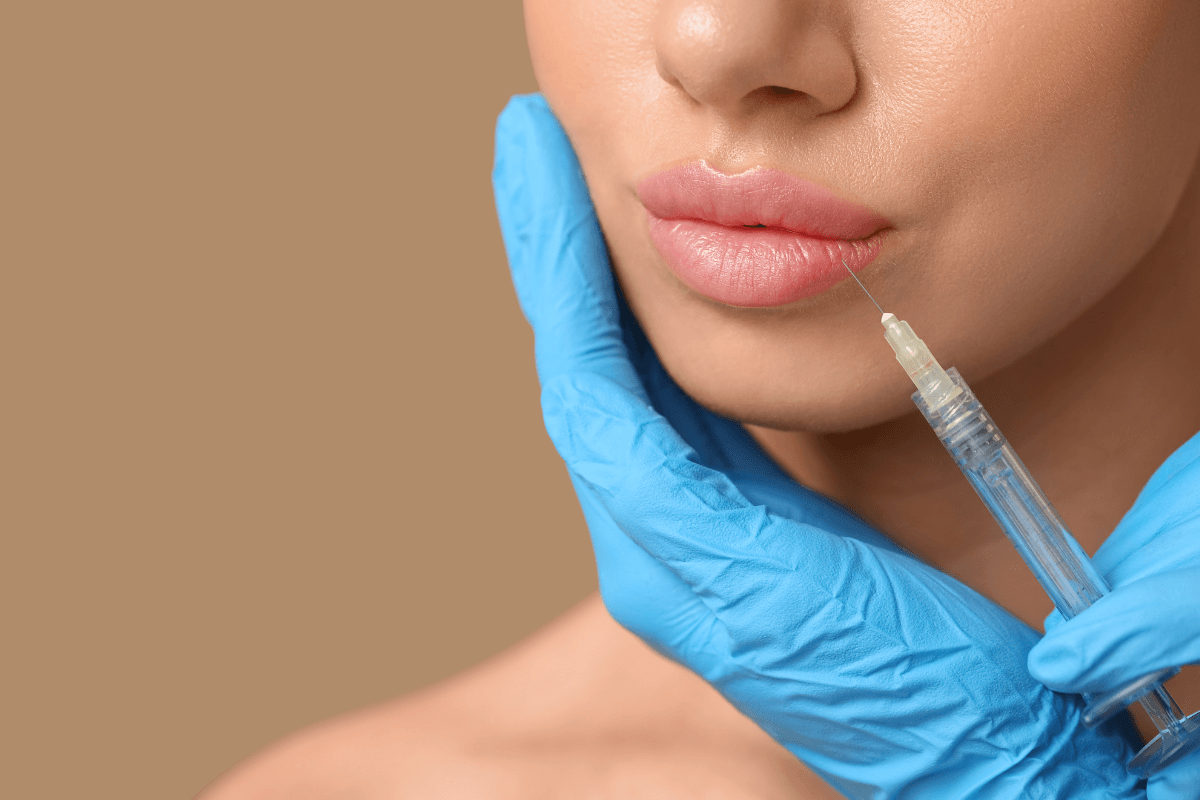
There is a particular kind of curiosity that gathers around small changes to the face. Not the dramatic transformations that announce themselves from across a room, but the subtle shifts people notice in the mirror before anyone else does. A softened line. A fuller shape. A sense that something has been adjusted, not replaced.
Lip enhancement sits in that interesting space between visibility and intimacy. It is public because the mouth is central to expression, conversation, photographs, and first impressions. Yet it is also private, tied to how someone feels when they see themselves unguarded: brushing teeth, leaning toward a bathroom mirror, catching their reflection in a darkened window.
What makes the subject especially fascinating is not only the choice itself, but the awareness that the choice is not fixed forever.
Beauty in the age of the temporary
For a long time, beauty changes were imagined in fairly permanent terms. A haircut could grow out, but many other decisions carried a sense of finality. Today, much of aesthetic culture has shifted toward the adjustable. People are increasingly comfortable with the idea of trying on a version of themselves, living with it for a while, then reassessing.
That does not make the decision casual. If anything, temporary choices can invite even more reflection. When something has a lifespan, however loosely defined, it creates a quiet clock in the background. People begin to think not just about the change, but about its arc: the beginning, the settling-in, the period of familiarity, and the eventual question of whether to continue.
This is where lip fillers become more than a beauty topic. They become part of a broader cultural conversation about maintenance, self-image, and the modern desire to keep options open.
A brief discussion of lip enhancement timelines at Med Wholesale Supplies points to how often people approach the subject through duration, but duration is only one layer of the story. Beneath it is a more human question: what does it feel like to choose a change that is designed to evolve?
The mirror remembers differently than we do
One of the stranger things about appearance is how quickly the eye adapts. A new haircut feels bold for three days, then ordinary by the following week. A different shade of lipstick can seem daring in the morning and completely natural by dinner. The face, once altered even slightly, can become familiar with surprising speed.
This is part of why temporary aesthetic choices can feel emotionally complicated. The change may be subtle, but the memory of the “before” begins to soften. People may find themselves comparing photographs, not because they are vain, but because images become a kind of archive. They help answer the question the mirror cannot always answer honestly: has anything changed, or have I simply become used to it?
There is no single emotional response to this. Some people enjoy the rhythm of change. Others may feel uneasy when something they liked begins to shift. Many occupy a middle ground, noticing without dramatizing, accepting that the face is never truly still anyway.
Care as a form of attention
In beauty culture, the word “care” is often practical, but it also carries emotional weight. To care for something is to acknowledge that it matters. It may mean being gentle, being observant, or simply being aware that a choice does not end the moment it is made.
This is true far beyond lip enhancement. We care for hair color, clothing, skin, shoes, gardens, homes, and relationships. Anything we alter with intention tends to ask for some kind of attention afterward. Not necessarily obsession. Not constant monitoring. Just a quieter kind of noticing.
That may be why conversations about aesthetic treatments often circle back to time. People are not only asking how long a visible effect remains. They are asking how long the feeling remains: the novelty, the confidence, the uncertainty, the satisfaction, the slight surprise of seeing oneself from a new angle.
The appeal of impermanence
There is a cultural contradiction here. We often want beauty to look effortless, yet we are surrounded by evidence of effort. We want change, but not too much. We want results, but also naturalness. We want the freedom to experiment, but reassurance that the experiment will not define us forever.
Temporary beauty choices speak directly to that contradiction. They allow identity to remain flexible. They offer the possibility of revision. They acknowledge that taste changes, faces change, and the self we are styling today may not be exactly the self we want to present later.
That flexibility may be part of the appeal. It reflects the way many people now move through personal style in general. Wardrobes are edited. Hair is reimagined. Makeup trends pass through like weather. Even the idea of a “signature look” has become less rigid than it once was.
The face, of course, feels more personal than a jacket or a lipstick. That is why the conversation around it tends to carry more charge. But the underlying instinct is familiar: to shape how we are seen in a way that feels, for a time, closer to how we see ourselves.
A small change with a long shadow
The most interesting beauty decisions are rarely just about appearance. They are about timing, mood, confidence, curiosity, and the stories people tell themselves about becoming. A subtle change can hold a surprisingly large amount of meaning because the face is where so much of life gathers.
Perhaps that is why questions of duration feel so compelling. They are not only about how long something lasts on the surface. They are about how long a choice lingers in the imagination, how it settles into routine, and how it reshapes the ordinary act of looking in the mirror.
Wanting a change to last, while also wanting the freedom for it to fade, is not a contradiction to solve. It may simply be one of the defining moods of contemporary beauty: the wish to be both transformed and untrapped, both intentional and open-ended.
https://medwholesalesupplies.com/how-long-do-lip-fillers-last-guide-to-duration-care/