The Quiet Weight of a Name on the Shelf
A reflective look at how modern treatment names become part of private routines, shared language, and the small rituals of everyday life.
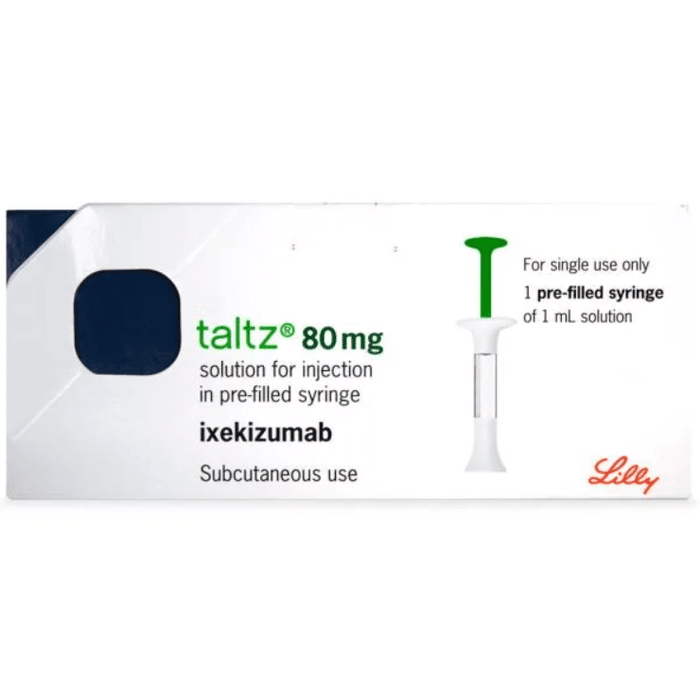
Some names arrive in a life before they have a story attached to them. They sit on a label, appear in a search bar, or land in a conversation with a clinician, carrying a strange mixture of precision and mystery. A name can sound futuristic, almost engineered to belong to a world of laboratories and cold storage, yet the place it eventually occupies is often much more ordinary: a kitchen counter, a calendar reminder, a private note in a phone.
That contrast is what makes modern health language so interesting. The terms themselves may be sleek and unfamiliar, but the human experience around them is rarely sleek. It is full of pauses, questions, routines, logistics, hope, annoyance, memory, and the quiet wish for daily life to feel less interrupted.
When a word becomes part of the room
A product name like Taltz can appear, at first, almost abstract. It is short, sharp, and self-contained, the kind of word that seems to have arrived from a different vocabulary altogether. For many people, names like this do not begin with emotion. They begin as information.
Then, slowly, the word gathers associations. It may become linked with appointments, paperwork, pharmacy calls, fridge space, delivery windows, insurance language, or a folder of saved documents. It may be spoken aloud only a few times, or repeated often enough that it loses its unfamiliarity. Either way, it stops being just a name and becomes a marker inside a larger personal routine.
There is something quietly revealing about that transformation. We often imagine healthcare as a sequence of decisions and explanations, but it is also a kind of atmosphere. It changes the texture of a week. It adds small acts of attention. It asks people to remember things they did not used to remember.
The private architecture of routine
Most routines are invisible from the outside. A person may look entirely unoccupied by the structures that support their day, while internally keeping track of timing, storage, refills, questions for the next visit, and the difference between what feels manageable and what feels like too much.
This is not the dramatic version of health that tends to appear in films or headlines. It is quieter than that. It is the life of reminders, envelopes, receipts, notes, and moments of uncertainty that pass without being announced.
In that sense, modern treatment names become part of a private architecture. They are not the whole building, but they may be written on one of its beams. They can represent a chapter, a decision point, or simply one piece of a larger attempt to keep life moving with less friction.
The public language around these products often sounds clean and categorical. The lived language is messier. People may not describe their experience in perfect terminology. They may talk instead about waiting, adjusting, asking, forgetting, learning, or trying to make sense of what belongs to them and what belongs to the system around them.
Searching is its own ritual
There is also the modern ritual of looking things up. A name appears, and a person begins to follow the trail. Not always anxiously, not always urgently, but with the natural curiosity that comes from wanting a word to feel less foreign.
Search results can make any topic feel larger than life. A single term opens into pages, listings, snippets, pharmacy information, forums, policy language, and product pages. Somewhere in that flood, the person searching is usually not trying to become an expert. They are trying to place the name in context.
That is why even a simple reference point, such as a product listing for Taltz, can become part of a broader act of orientation. The link is not just about a page; it is about the very contemporary habit of gathering fragments until a subject feels less distant.
Of course, information does not always settle the emotional side of things. Sometimes it sharpens the questions. Sometimes it simply gives shape to them. The act of searching can feel practical on the surface, but underneath it is often about familiarity: turning a strange word into something that can be held in the mind without quite so much static.
The culture of careful attention
One of the more understated shifts in everyday life is how many people now live with some form of careful attention. Not panic, not obsession, just attention. A background awareness of bodies, systems, schedules, and names.
This awareness can be tiring, but it can also be strangely clarifying. It reveals how much of ordinary life depends on coordination. It shows how personal wellbeing is tied not only to individual choices, but to supply chains, communication, paperwork, trust, and timing.
A name on a box or bottle may seem like the smallest part of that landscape. Yet names matter because they are how people file experience. They become shorthand. They stand in for conversations, questions, expectations, and the effort to remain steady amid complexity.
Perhaps that is the quiet significance of these modern names: they remind us that health is not lived in abstract categories. It is lived among grocery lists, weather changes, inboxes, family plans, workdays, and the ordinary desire to have a life that feels like one’s own.
A name may begin as something unfamiliar. Over time, it may become less like an interruption and more like an object in the room: noticed, managed, sometimes resented, sometimes accepted, but no longer entirely strange.