The Quiet Weight of Names We Learn Along the Way
A reflective look at how unfamiliar health-related names become part of ordinary life, memory, and modern decision-making.
Some names enter our lives without ceremony. They do not arrive like milestones or announcements. They appear on a screen, in a conversation, on a label, in a quiet search made late in the evening when the house has gone still. At first, they feel foreign. A cluster of syllables. A word with no emotional shape yet.
Then, almost without noticing, we begin to recognize them.
Health-related language has a strange way of moving from the outside world into the private corners of daily life. A term that once looked technical can become familiar through repetition alone. Not necessarily comforting, not necessarily alarming, just known. It joins the small vocabulary of things we never expected to learn but somehow do.
The private life of unfamiliar words
There is something oddly intimate about encountering a name connected to health. It may not tell a story by itself, yet it gathers context from the person who sees it. One person might associate it with a pharmacy counter. Another with a caregiver’s notebook. Another with a browser tab left open while trying to make sense of options, routines, or questions that do not fit neatly into one sentence.
The name itself stays still. The meaning around it changes.
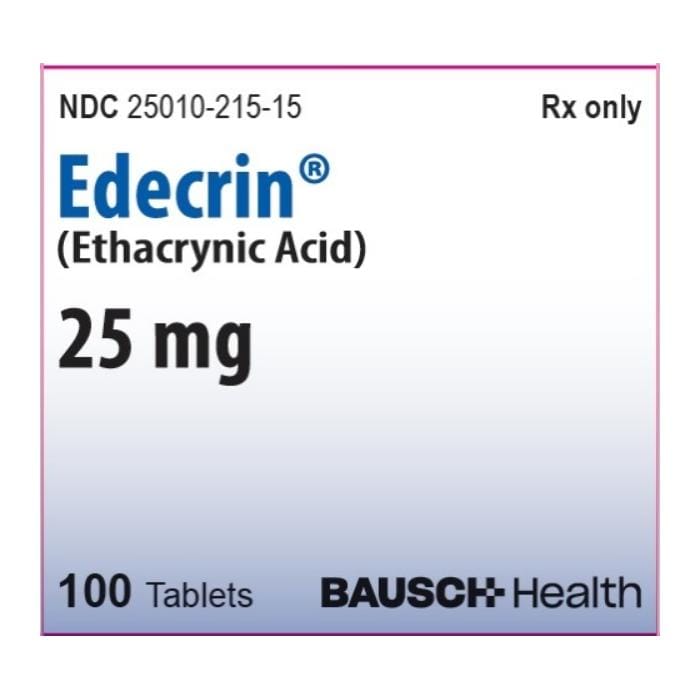
That may be why pages like the one for Edecrin at Border Free Health can feel less like isolated listings and more like small markers in a much larger landscape. They sit at the intersection of systems and households, professional language and personal uncertainty, public information and private reflection.
We often imagine health decisions as clear, linear events. Something happens, someone explains it, a choice follows. In real life, the experience is usually messier and more atmospheric. People collect fragments. They notice words. They compare the tone of one conversation with another. They remember what they meant to ask and forgot. They carry names around before they fully know where to place them.
When a word becomes part of a routine
Modern life is full of names we did not choose to know. App names, policy names, ingredient names, passwords, subscriptions, devices, forms. Health-related names carry a different charge because they touch the body, or someone we care about, or a future we are trying not to over-imagine.
Still, the process of familiarity can be surprisingly ordinary. A name may begin as something copied carefully into a search bar. Later, it becomes something recognized in an email. Later still, it sits among other household words, folded into calendars, conversations, or quiet mental lists.
This is not the dramatic version of health culture. It is not the waiting-room montage or the urgent headline. It is the low hum beneath everyday life: the way people learn just enough language to participate in their own circumstances, the way a household adapts its vocabulary, the way concern and routine sometimes share the same kitchen table.
There is a tender awkwardness in that learning. Many people feel they are supposed to be fluent in systems that were not designed to feel intuitive. They move between official wording and human questions. They translate what they hear into what they can remember. They ask someone to repeat a name, then feel embarrassed for needing to ask. But unfamiliarity is not failure. It is often just the beginning of attention.
The culture of searching quietly
The internet has changed the emotional texture of encountering health language. A name no longer remains confined to a paper bag or a brief conversation. It becomes searchable, clickable, cross-referenced. That accessibility can be useful, but it also creates a new kind of atmosphere: the solitary research session.
There is a recognizable mood to it. The glow of a phone. The open tabs. The careful reading and rereading. The desire to understand without spiraling, to be informed without becoming consumed. People are not always looking for definitive answers in those moments. Sometimes they are looking for orientation. A sense of where a word belongs.
That is why the tone around health information matters. Not every encounter needs to be dramatic. Not every page needs to feel like a warning sign or a promise. Sometimes what people need most is a calmer surrounding, a way to let an unfamiliar term exist without making it larger than the life around it.
What we carry after recognition
Eventually, some names fade from attention. Others remain. They become part of a chapter, a season, a role someone played as patient, partner, child, parent, or friend. The vocabulary of care is not only made of technical terms. It is made of reminders, questions, pauses, and the quiet courage of learning words we never asked to need.
There is a humility in recognizing that. Behind every unfamiliar name is a person trying to locate themselves in a system of language, choices, and ordinary days. The word may be printed plainly, but the human experience around it is layered.
Perhaps that is the quiet lesson in these names: they remind us how often life asks us to become beginners. Not once, but repeatedly. We learn the spelling. We learn the rhythm. We learn where to place the word in conversation. And then we continue with the day, carrying a little more language than we had before.