The Small Clicks That Hold a Day Together
Some objects never become glamorous, yet they quietly shape routine, attention, and the mood of an ordinary morning.
There are some objects that never earn the spotlight, even when they become part of a life with surprising intimacy. They live in drawers, travel pouches, coat pockets, bathroom cabinets. They are handled with familiarity, not admiration. And yet, over time, they begin to represent something larger than their size: a ritual, a mood, a form of attention.
The tools we use to keep track of ourselves often belong to that category. Not dramatic enough to inspire sentimentality, not decorative enough to be displayed, they still gather meaning simply by showing up again and again. A tiny click, a repeated motion, a brief pause in the day—these things can start to feel like punctuation marks in a much longer story.
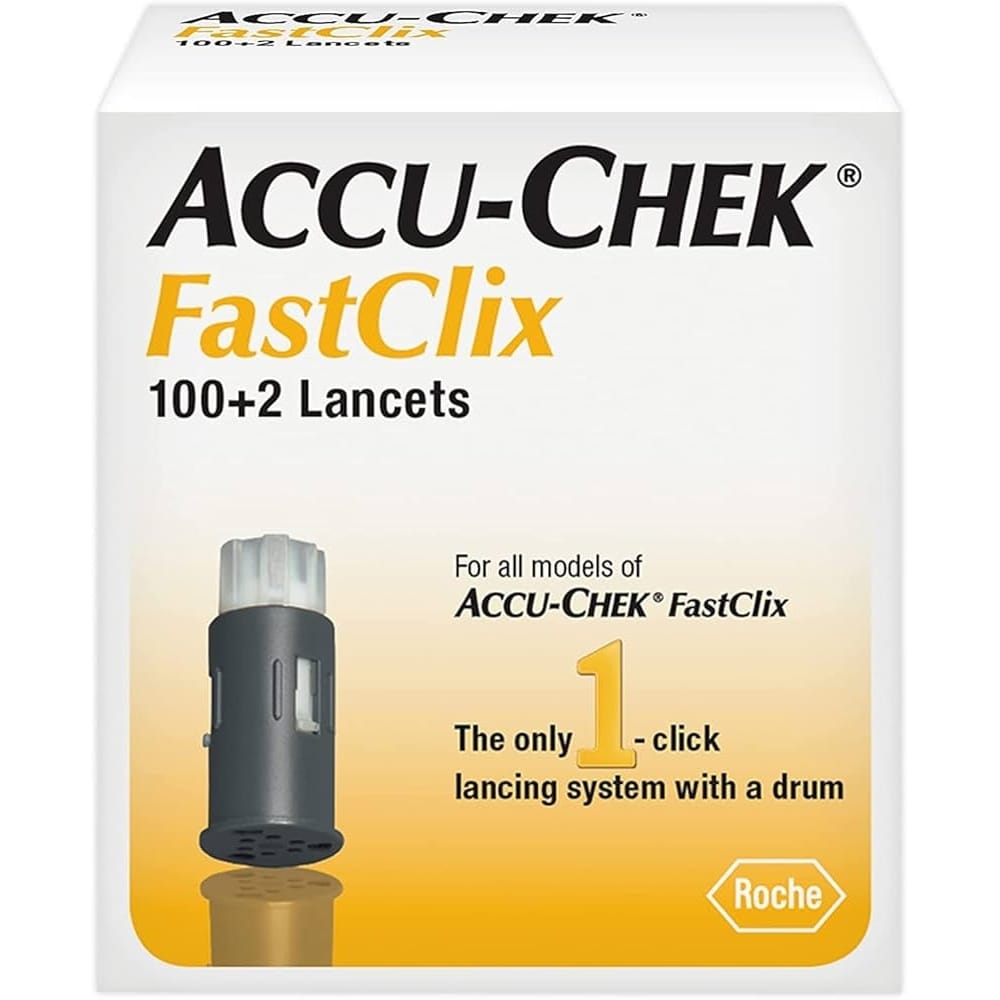
That is partly why product names like Accu-Chek FastClix lancets can seem almost too technical for the role they end up playing. The language of devices tends to sound efficient, engineered, stripped of emotion. But daily life is rarely that clean. People fold these objects into routines that are half practical and half deeply personal. The object remains the same; the meaning around it expands.
A design language of reassurance
There is a particular kind of comfort in anything built to reduce friction. Not in the grand, life-changing sense people like to advertise, but in the modest sense: one less hesitation, one less clumsy moment, one less interruption that turns a small task into an ordeal.
We do not talk enough about how much emotional weather can gather around a routine. A task may only take a moment, but if it arrives with annoyance, dread, or fatigue, it changes the texture of a whole morning. The opposite is also true. When something feels orderly, contained, and predictable, the day can continue with less internal noise.
That may be why seemingly ordinary health-related tools inspire such loyal attachment. People are not always responding to the object alone. They are responding to the feeling of a ritual that fits into life without demanding a ceremony around itself.
The invisible aesthetics of everyday care
There is also an understated aesthetic to these items, even when no one would call them beautiful. The best everyday tools often share the same qualities: they are discreet, legible, easy to place, easy to trust. Their appeal is not glamour but calm.
In a culture that likes wellness to look photogenic, there is something almost rebellious about the plainness of a practical object. It does not ask to be admired. It asks to be useful. And usefulness, when repeated over enough days, becomes its own form of elegance.
This is especially true for objects connected to private habits. They belong to a part of life that many people protect from spectacle. They are companions to routine rather than conversation pieces. Their significance is often invisible to everyone except the person who reaches for them without thinking.
What repetition really does
Repetition has a strange power. It can flatten experience, making everything feel mechanical. But it can also soften resistance. A repeated action, done often enough, may stop feeling like an intrusion and start feeling like structure.
That does not mean people romanticize these moments. Usually it is the opposite. The goal is not to turn every routine into a meaningful ceremony. The goal is simply to make room for life around it—for breakfast, work, messages, errands, the ordinary mess of being human.
And perhaps that is where modest tools earn their place. They do not resolve uncertainty in some grand philosophical way. They simply reduce the number of frictions that compete for attention. They help a person move from one part of the day to the next with slightly less negotiation.
More than a product, less than a symbol
It would be easy to overstate all this, to turn a small object into a metaphor so large it collapses under its own importance. But that misses the point too. The real significance of practical tools is often found in their refusal to become dramatic.
They are not inspirational. They are not aspirational. They are simply present.
And presence matters. The things we can rely on, especially in private routines, shape our sense of steadiness more than we admit. Not because they are magical, but because they allow attention to settle. They create a little island of familiarity inside a day that may otherwise feel rushed, distracted, or uncertain.
In that sense, the quietest objects may reveal something important about modern life. We say we value big breakthroughs, major transformations, visible milestones. But much of living is built from smaller negotiations: the click of a mechanism, the reach into a bag, the relief of something working the way you expect.
That is not a glamorous story. It is, however, a truthful one.
And maybe that is why these objects linger in memory more than we expect. Not because of branding or novelty, but because they become stitched into ordinary time. A morning rhythm. A pause between tasks. A private act of maintenance that asks for very little fanfare.
The world tends to celebrate what dazzles. Everyday life, on the other hand, is often held together by what simply keeps going.
https://canadianinsulin.com/product/accu-chek-lancets-fastclix-102-pack/