The Small Glass Anchor in a Fast-Moving Day
Some objects live quietly at the edge of routine, carrying more meaning than their size would ever suggest.
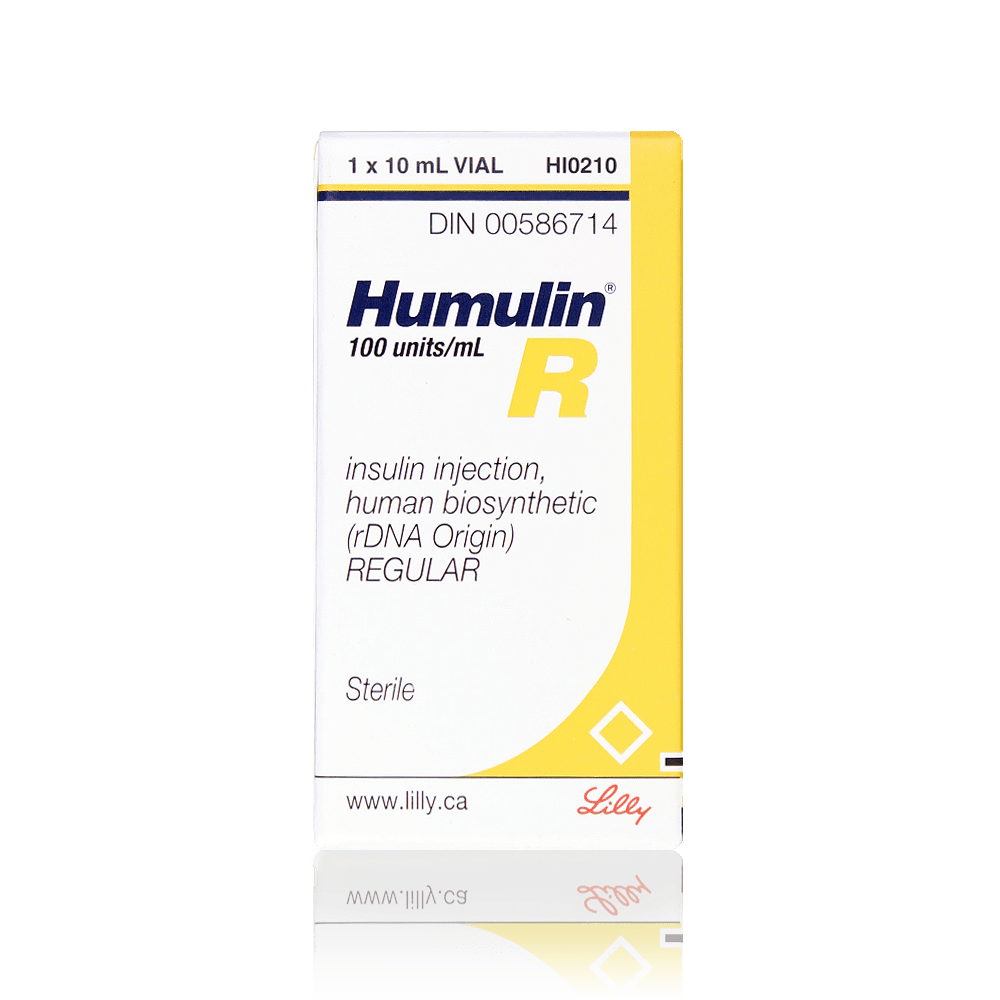
Some objects enter life with fanfare. Others arrive almost anonymously, then slowly become part of the architecture of a day. A small vial belongs to the second category. It is easy to mistake it for something purely functional, an item with a label, a cap, a place in a drawer or case. But many everyday objects become larger than their design. They gather rituals around them. They absorb attention, caution, habit, and memory.
A vial is one of those objects.
Not because it asks for admiration, but because it quietly changes the atmosphere around it. It introduces a different pace. A person who might otherwise move through the day on instinct begins to notice timing, proximity, preparedness, interruption. The object itself remains small and still. Yet it creates a wider field of awareness, like a pebble dropped into water that keeps sending circles outward.
The strange weight of small things
There is something culturally familiar about underestimating what fits in the palm of a hand. We live in an era that tends to glorify the visible and the dramatic: giant screens, loud promises, oversized routines dressed up as life philosophies. A vial resists that style completely. It belongs to a quieter category of significance.
Its presence is rarely about display. It is about constancy.
And constancy has its own emotional texture. It can feel reassuring on some days, tiring on others, almost invisible when routine settles in. The same object may be seen as practical in the morning, intrusive by afternoon, and oddly comforting at night. That is part of what makes these items feel so human. They are not just things we use. They become markers of attention.
There is also something intimate about glass. It suggests care before anyone says a word. It asks not to be handled thoughtlessly. In a world built around speed, convenience, and disposability, glass still carries the old-fashioned idea that some things deserve steadier hands.
Routine is never only routine
People often talk about routine as if it were dull, the opposite of freedom. But real routine is more complicated than that. It can be exhausting, grounding, repetitive, or deeply stabilizing, sometimes all within the same week.
Objects linked to routine tend to reveal this contradiction better than language can. They sit in kitchens, bathrooms, bags, refrigerators, cabinets, and travel cases, silently participating in daily life. They witness rushed mornings, changed plans, forgotten errands, long trips, family visits, and those tiny moments when someone pauses just long enough to think, not now, hold on, let me make sure I have everything.
That pause matters.
Not in a dramatic, cinematic way. In a real-life way. The kind of pause that says a person is negotiating with the day rather than simply being carried by it.
When I think about something like a vial, I do not only think about product design or packaging. I think about the choreography it creates. The checking, the storing, the remembering, the relief of finding it where it should be. Even reading a straightforward listing such as this product page can hint at how much of modern life is held together by quiet systems that most people never notice unless they need them.
The private side of visible order
There is a particular kind of discipline that rarely gets celebrated because it does not look glamorous from the outside. It looks like being prepared. It looks like keeping track. It looks like knowing that a small item can shape the rhythm of a larger day.
That discipline often lives in private. It is folded into ordinary scenes: someone packing for a weekend, reorganizing a shelf, double-checking a bag before leaving home, adjusting a plan without announcing it to anyone. To outsiders, these moments may seem minor. To the person living them, they are part of maintaining a workable sense of order.
This is why objects associated with care can feel emotionally charged even when they appear visually plain. They represent more than use. They represent vigilance, adaptation, and the odd tenderness that develops around anything a person learns not to take lightly.
More than an object, less than a symbol
It is tempting to turn every meaningful object into a grand metaphor. But there is also value in resisting that. A vial does not need to become poetic to matter. Part of its significance comes from how matter-of-fact it is. It asks to be included in life as it already exists, not turned into a dramatic lesson.
Maybe that is the most interesting part. Some of the most important things in a life do not announce themselves as important. They become important by returning, by staying relevant, by requiring care without asking for attention.
A small glass object on a shelf can hold that kind of meaning. Not loudly. Not romantically. Just steadily.
And perhaps steadiness is more powerful than we usually admit.