The Small Instruments We Let Into Our Mornings
Some objects don’t ask for attention, yet quietly shape the tempo of a day and the meaning we attach to routine.
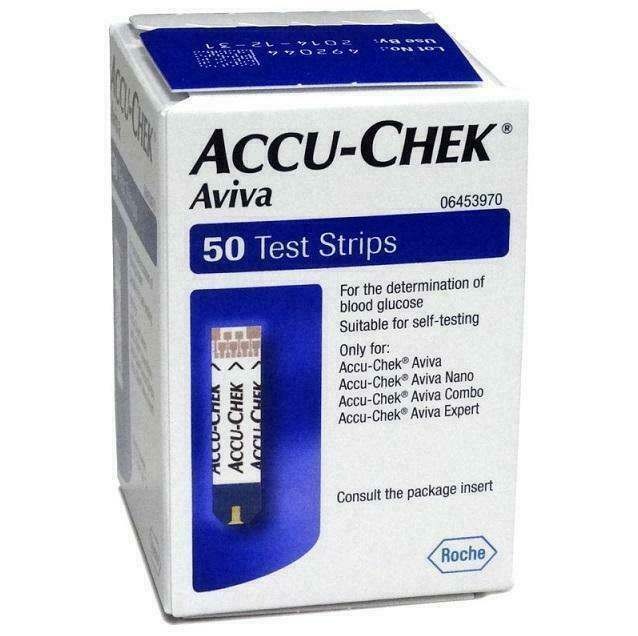
There are certain objects that never become glamorous, no matter how essential they are. They live in drawers, bags, bathroom cabinets, or beside the kettle, waiting with the patience of things that know they will be needed. Test strips belong to that category of object: small, plain, easy to overlook if you are not the one arranging your day around them.
What makes them interesting is not their design alone, or even their purpose in the practical sense. It is the way they slip into the architecture of ordinary life. A morning can feel abstract until a tiny ritual gives it edges. Open. Check. Pause. Continue. Suddenly the day is no longer a vague stretch of hours but something measured, noticed, entered with a little more awareness.
That may be why products like these familiar strips carry more cultural weight than their packaging suggests. They sit at the intersection of privacy and routine, science and habit, reassurance and interruption. They are tools, yes, but they are also companions to a particular kind of attention.
Quiet technology
We tend to celebrate technology when it is loud about itself. Shiny devices get headlines. Apps announce their updates with theatrical confidence. But some of the most intimate technologies are the ones that barely speak. They do not perform innovation for an audience. They simply show up, over and over, in the background of a person’s real life.
There is something almost literary about that. The objects that matter most are often the least dramatic. They gather meaning through repetition. A wallet grows soft at the edges. A mug becomes a morning anchor. A familiar testing supply becomes part of the choreography of daily life, not because anyone wants symbolism from it, but because repetition naturally creates it.
The emotional weather of routine
Routine is often described as dull, but that misses the point. Routine is one of the ways people make uncertainty livable. It gives shape to days that might otherwise feel too open-ended. It can also carry a complicated emotional weather: comfort on one day, fatigue on another, gratitude in one moment, annoyance in the next.
That complexity is rarely visible from the outside. To someone else, a strip is just a strip, a disposable item, another thing to reorder. To the person using it, it may represent consistency, vigilance, habit, discipline, reassurance, or simply the effort of keeping up with one more detail in a busy life. The same object can feel neutral on Tuesday and emotionally loaded on Thursday.
This is one reason everyday health-related items deserve a little more cultural imagination than they usually receive. They are not just products on a shelf. They participate in mood, identity, timing, and the invisible labor of managing a life.
Design that disappears
The best everyday tools often disappear into use. Not literally, of course, but psychologically. You stop noticing the object itself and start noticing the rhythm it supports. That kind of design is easy to undervalue because it does not demand admiration. It asks for familiarity.
And familiarity has its own beauty. There is comfort in knowing how something fits in your hand, how it belongs in your bag, where it lives in the drawer, when you are running low. These details sound minor until you remember that much of human life is built from minor details repeated with astonishing loyalty.
We like to think big decisions define us, but often it is the tiny recurring actions that tell the truer story. The ordinary tools we keep close are evidence of what we care about preserving: steadiness, confidence, continuity, the ability to move through the day with a little less guesswork.
A different kind of visibility
There is also a social layer to objects like this. They can be completely private, used in solitude without ceremony. Or they can appear in public by necessity, turning a personal routine into a visible one for a brief moment. That visibility can feel neutral, awkward, matter-of-fact, or quietly brave depending on the setting and the person.
Maybe that is part of why these small supplies feel larger than they look. They touch the ongoing negotiation between inner life and outer life. They remind us that many routines are deeply personal even when they unfold in ordinary spaces: kitchens, offices, cars, waiting rooms, borrowed guest bathrooms. Life does not pause to make room for ritual; ritual learns to live inside life.
The dignity of being prepared
There is a humble dignity in preparedness. Not the dramatic kind sold by advertisements, but the quieter version: the one that means remembering what matters before the day begins to pull in ten directions. A test strip is not a statement piece. It is part of the uncelebrated infrastructure of self-attention.
And maybe that is why these objects deserve a second look—not as symbols of limitation, but as evidence of care. They represent a relationship with the day that is active rather than passive. They suggest that paying attention, even in small repeated ways, is its own form of steadiness.
In the end, the smallest instruments often carry the biggest lesson. Much of life is not transformed in grand gestures. It is steadied by tiny acts, quiet tools, and routines that ask for no applause. Some things enter our mornings softly and never leave the story of how we move through the world.
https://canadianinsulin.com/product/accu-chek-aviva-test-strips/