The Small Objects That Carry Our Trust
A reflective look at how tiny medical objects can hold outsized meaning in everyday life, uncertainty, and care.
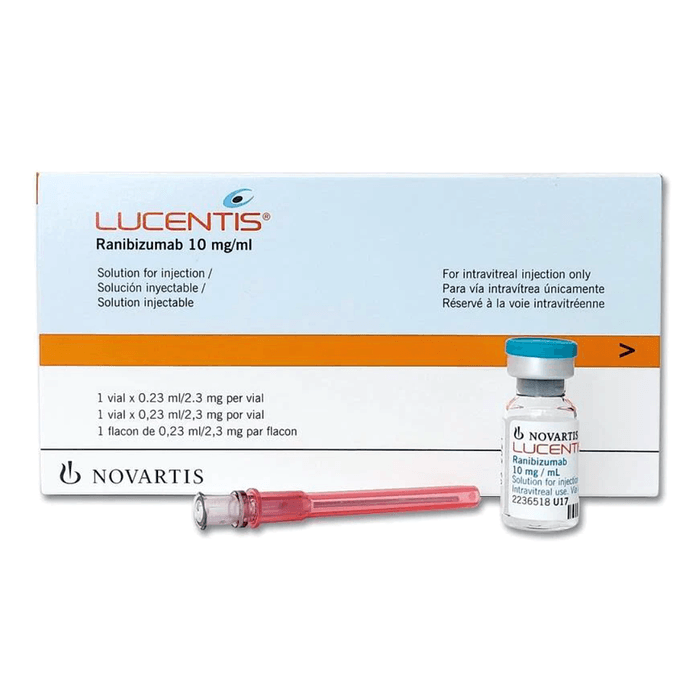
There are objects so small they almost disappear into the background of daily life, yet the feelings around them can be enormous. A vial, for instance, is rarely just a vial. It can be a container, a promise, a question, a pause in the middle of an otherwise ordinary week.
We tend to think of important things as large: big decisions, major appointments, sweeping changes, unmistakable turning points. But the modern experience of care often gathers itself into miniature forms. A label. A sealed box. A glass container resting in a hand. Something that looks quiet, technical, and impersonal can become intensely personal the moment it enters someone’s routine.
That contrast is part of what makes these objects so strangely compelling. They are designed not to be poetic. Their purpose is practical, their presence controlled. Yet people often meet them at moments when life feels anything but controlled.
The quiet theater of precision
There is a kind of choreography around specialized medical items. They arrive with careful packaging. They are handled with attention. They move through systems most of us only partially see: manufacturers, pharmacies, clinics, storage spaces, counters, hands, conversations.
By the time a person encounters one, the object already carries a long chain of trust. Not dramatic trust, exactly, but procedural trust: the belief that many invisible steps have been taken seriously. This is not the sort of trust that makes headlines. It is quieter, almost bureaucratic, but it matters.
A product page such as the one for a Lucentis vial sits inside that larger world of named objects and careful categorization. The name may be specific, but the cultural feeling around it is broader: the way a small item can become a focal point for expectation, caution, and hope.
When an object becomes a threshold
Many people have experienced the odd emotional weight of a medical package sitting on a counter or being mentioned in an appointment. The object itself may be ordinary in appearance, but it marks a threshold. Before it, there is waiting, wondering, searching, comparing notes, trying to understand language that may not feel native. After it, there is often another kind of waiting.
This is where the language of medicine and the language of ordinary life start to overlap awkwardly. Clinical words want to be exact. Human feelings are rarely exact. A vial may belong to a regulated category, but to someone encountering it, it might also belong to the category of “things I did not expect to become familiar with.”
That category is full of objects: pill organizers, appointment cards, receipts, cool packs, consent forms, reminder notes, tiny boxes in the refrigerator, folded papers in a bag. They create a private archive of care. Not always frightening, not always reassuring, but memorable.
The strange intimacy of technical names
Product names can feel distant, even opaque. They are built for systems, not for sentiment. Still, people learn them. They say them aloud. They type them into search bars. They recognize them on labels. Over time, a technical name can become part of a household vocabulary, sitting beside grocery lists and calendar reminders.
There is something culturally revealing about that. We live in an era where many people know more branded and clinical terms than previous generations might have encountered in a lifetime. Some of this comes from advertising, some from online searching, some from the simple fact that more of life is documented, labeled, and discussed.
But knowing a name is not the same as feeling fluent. A person can recognize a word and still feel unsure around it. That uncertainty is not a failure. It is part of navigating a world where specialized knowledge often enters ordinary spaces suddenly.
Care as a series of small encounters
The story of health is often told in big arcs: diagnosis, treatment, recovery, change. But lived experience is usually more granular. It happens in tiny encounters, in repeated gestures, in the way someone looks at a package before placing it where it belongs, in the way another person asks, “Is everything set for tomorrow?”
Objects become anchors because they give shape to things that are otherwise abstract. Concern becomes a calendar entry. Hope becomes a scheduled visit. Trust becomes a sealed container. Uncertainty becomes a question saved for the next conversation.
None of this makes the object magical. It remains what it is. But human beings are meaning-making creatures, and we rarely let objects remain purely functional for long. We attach stories to them because stories help us move through complexity.
The dignity of noticing
There is a dignity in noticing the small things without turning them into grand symbols. A vial does not need to be romanticized to be meaningful. Its significance may lie precisely in its plainness: the way it represents a highly organized world of care while also sitting inside the messy, tender, unpredictable world of a person’s life.
Perhaps that is why these objects linger in memory. Not because they are beautiful, though some have a kind of minimal elegance. Not because they explain everything, because they do not. They linger because they appear at the intersection of body, system, routine, and hope.
In the end, the smallest containers can hold more than their contents. They can hold the feeling of being in between: between uncertainty and information, between fear and steadiness, between the life one had planned and the life one is learning to manage. And sometimes, that quiet in-between space is where the most human stories begin.
https://canadianinsulin.com/product/product-lucentis-vial-10mg-ml-0-23-ml/