The Small Objects That Quietly Organize a Day
Some products arrive as purchases, then settle into something stranger: a marker of routine, attention, and the hidden architecture of ordinary life.
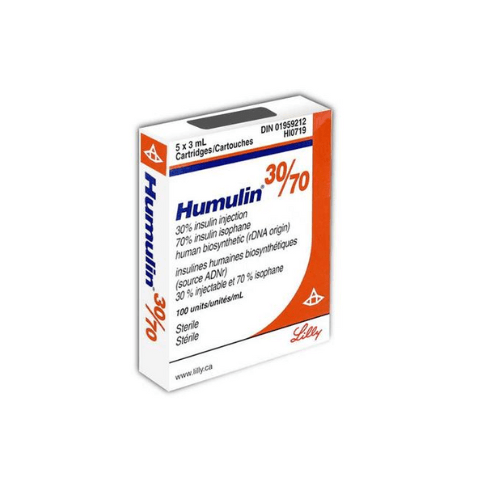
There is a particular kind of object that never becomes decorative, never turns sentimental in the obvious way, and yet ends up shaping the rhythm of a household more than almost anything else on the shelf.
It doesn’t ask to be admired. It asks to be noticed at the right moment.
That is part of what makes certain health-related products so culturally interesting. They live in a space between the practical and the intimate. A cartridge, a container, a refill, a box with a precise label: these things can look almost anonymous from the outside. But in real life, they are rarely anonymous. They become part of the choreography of mornings, bags, counters, drawers, reminders, and those tiny pauses people build into a day without announcing them.
When you come across a listing like this one, what stands out is not only the product itself, but the whole world implied around it. Behind a plain product name is an entire atmosphere of routine. There is planning in it. There is familiarity in it. There is the quiet discipline of returning to the same object not because it is exciting, but because it belongs to the structure of life.
Routine is rarely as simple as it looks
From a distance, routine often gets described as dull. Up close, it is something else entirely.
Routine is how people reduce friction. It is how uncertainty gets folded into manageable shapes. The objects tied to routine tend to lose their novelty quickly, but they gain something more durable: relevance. They become dependable landmarks in a day that can otherwise feel slippery.
That is why product pages in this category have an oddly human tone, even when they are written in the most functional language possible. A straightforward listing can still suggest a life being organized behind the scenes. Someone is keeping track. Someone is replacing what needs replacing. Someone is making sure the familiar remains available.
There is a tenderness hidden in that practicality.
The shelf, the drawer, the bag
Most people think meaning comes from grand gestures, but ordinary life keeps proving the opposite. Meaning often accumulates around placement.
Where something is kept matters. The kitchen shelf, the bathroom cabinet, the bedside drawer, the section of a bag that always gets checked twice—these are not just storage choices. They are maps of attention. They show what must not be forgotten.
Products like this sit inside that map. They are less like purchases and more like recurring characters. Not dramatic ones, either. They are the steady kind, the kind that do not dominate the story but keep the story from coming apart.
That may be why the design language around these items tends to feel so restrained. The packaging often signals seriousness, continuity, and order. It belongs to a visual world where clarity matters more than charm. And yet, in that restraint, there is something deeply expressive. It tells you this object has a job. It is here to be part of a system, not a spectacle.
A modern life is full of quiet systems
One of the defining features of contemporary life is that so much of it runs on invisible systems. Calendars sync in the background. Subscriptions renew without ceremony. Notifications appear before memory has a chance to fail. The practical side of living has become less visible and more constant.
Health-related products fit neatly into that larger pattern. They are part of a world where continuity is not glamorous, but it is essential. And because they are not glamorous, they often escape the kind of cultural observation they deserve.
We talk endlessly about transformation, disruption, optimization. We talk less about maintenance. But maintenance is where a great deal of real life happens. It is where responsibility becomes habit. It is where concern becomes structure.
A simple cartridge listing can point to all of that without saying a word about it.
Familiarity changes the meaning of an object
The first encounter with a practical product is usually transactional. You notice the name, the format, the specifics on the page. Over time, though, familiarity softens the transaction into something more layered.
People stop seeing only the object and start seeing the routine attached to it. The timing. The location. The backup plan. The small reassurance of knowing what belongs where.
That shift is easy to miss if you look only at the product as inventory. But it becomes obvious if you think about domestic life as a collection of repeated acts of care. Not dramatic care. Not cinematic care. Just the everyday kind that keeps showing up.
And maybe that is the quiet contradiction at the center of these products: they are ordinary because they matter, not in spite of it.
The language of steadiness
Some things in consumer culture are built to generate excitement. Others are built to generate trust. The difference is enormous.
Trust is less theatrical. It lives in repetition. It lives in a person recognizing a familiar label, a familiar package, a familiar place in the routine of a week. It lives in the relief of not having to reinvent every decision from scratch.
There is something almost architectural about that kind of steadiness. It holds up the day from underneath.
So when a product title appears plain or technical, it may actually be describing something much larger than itself. It may be naming a tool that has already been woven into someone’s sense of order. And once an object enters that territory, it stops being just a thing on a page. It becomes part of the hidden design of everyday life.
That is not glamorous, but it is far from trivial. In many ways, it is the opposite. It is one of the clearest examples of how practical objects can carry emotional weight without ever trying to look emotional at all.
https://canadianinsulin.com/product/humulin-30-70-cartridges-100-units/