The Small Objects That Quietly Reshape a Day
A reflective look at how compact health tools become part of ordinary routines, private rituals, and the architecture of modern life.
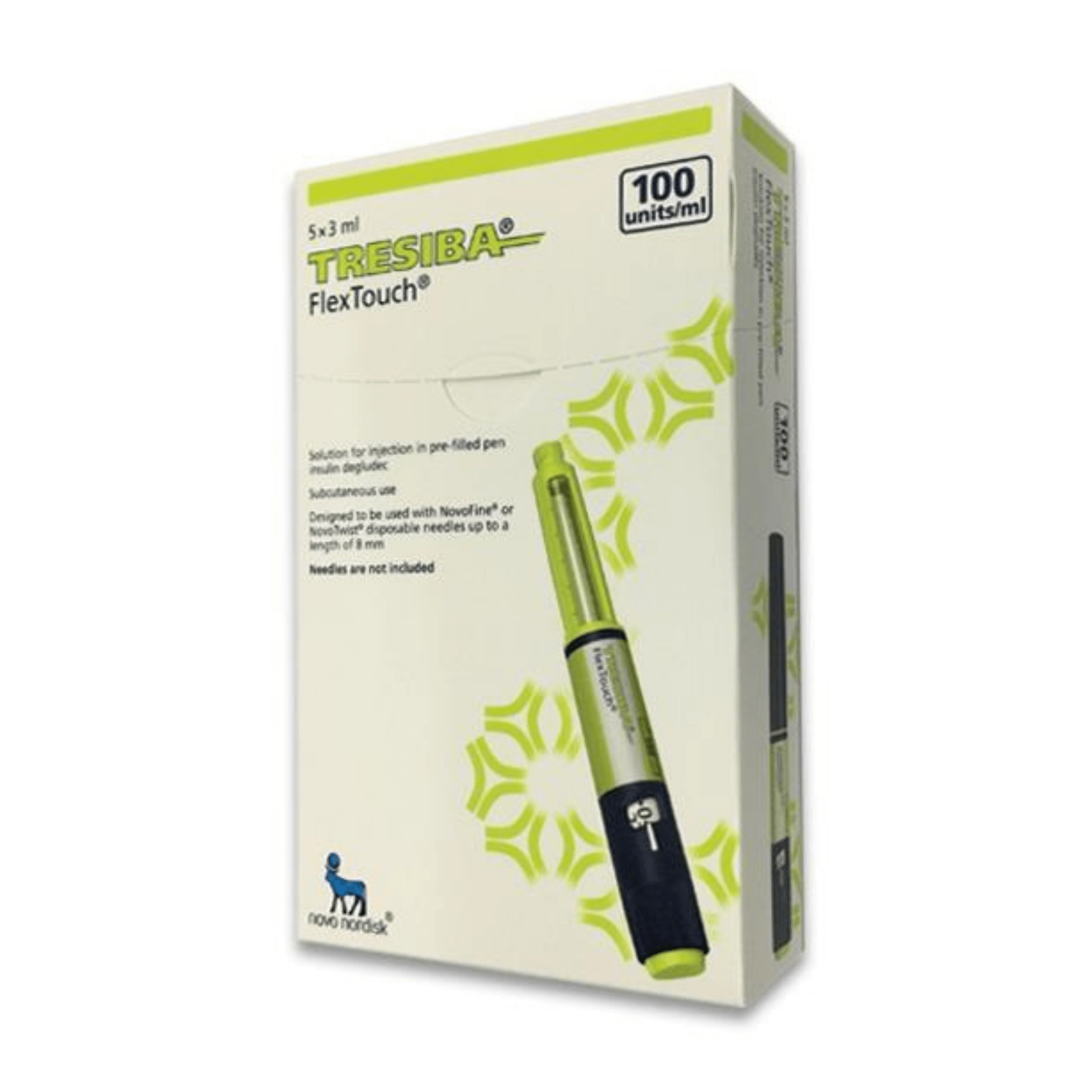
There are objects that enter daily life with a kind of quiet seriousness. They do not announce themselves as symbols, yet they quickly become part of the scenery: placed in a bag, remembered before leaving home, noticed on a counter, checked without ceremony. Their importance is not always visible to anyone else. That may be why they are so interesting.
A pen-shaped health device, for instance, is not only a piece of design. It belongs to a larger story about how people carry care with them now. The shape is familiar, almost ordinary. It suggests mobility, routine, and privacy. It is small enough to disappear into the background, but meaningful enough to alter the way a person thinks about time.
Modern care often lives in these in-between spaces. Not in dramatic scenes, but in the small decisions that cluster around mornings, meals, commutes, workdays, travel, sleep, and memory.
The rise of the discreet companion
There was a time when the tools of personal health felt separate from ordinary life. They belonged to cabinets, clinics, bedside drawers, or scheduled appointments. Now, many of them are designed to move through the world. They travel in pockets, purses, desk drawers, jacket linings, and carry-on bags.
That shift says something about contemporary living. People are expected to be mobile, responsive, and self-aware. Work moves across locations. Meals happen at uneven hours. Travel is both easier and more complicated. Routines are constantly interrupted, then rebuilt.
In that context, compact health tools carry a subtle emotional weight. They can represent independence, but also vigilance. They can feel practical, but also intimate. They may invite gratitude on one day and fatigue on another. Like many objects tied to responsibility, their meaning is never fixed.
The design language matters too. A pen-like form does not feel accidental. Pens are associated with agency: signing, noting, marking, choosing. Even when a medical object is not trying to be poetic, its shape can change how it is perceived. It becomes something held in the hand, something used in a brief private moment, something that participates in the rhythm of a day rather than standing apart from it.
What ordinary objects remember
The most revealing objects are often the ones people stop noticing. Keys, glasses, chargers, notebooks, medication organizers, reusable bottles: each one tells a story about what a person needs to function smoothly. A health-related pen device joins this quiet inventory of essentials.
Its presence may reshape small habits. A person may become more aware of bag space, temperature, timing, privacy, or the choreography of leaving the house. None of this needs to be dramatic to be meaningful. In fact, the lack of drama is often the point.
Ordinary life is built from repetitions. The same cupboard opened. The same pocket checked. The same pause before stepping out the door. Over time, these gestures become less like tasks and more like texture.
This is where compact care tools become culturally interesting. They show how much of modern health is not only about access to products or appointments, but about living with reminders. Not all reminders are loud. Some are sleek, quiet, and deeply personal.
Privacy in plain sight
One of the paradoxes of modern health design is that visibility and invisibility often coexist. A device may be recognizable to one person and completely unremarkable to another. It can sit on a table and still keep its meaning private.
That privacy matters. Not everything personal needs to become a conversation. Not every routine asks to be explained. Some people prefer tools that blend into the day rather than call attention to it. Others may feel reassured by objects that are easy to identify and keep track of. Between those preferences lies a broader truth: design is never neutral when it touches daily vulnerability.
A compact device can make a routine feel less like an interruption and more like a continuation. It does not erase the emotional complexity of care, but it may soften the edges around it. The object becomes a mediator between need and normalcy.
This is not about pretending that health routines are effortless. It is about noticing the cultural desire for tools that do not make life feel paused. People want to keep moving, working, resting, meeting friends, traveling, parenting, studying, and daydreaming. They want care to fit into life, not replace it.
The emotional architecture of convenience
Convenience is often discussed as if it were merely practical. Smaller, lighter, simpler, faster. But convenience also has an emotional dimension. It can reduce friction. It can preserve privacy. It can create a sense of preparedness. It can make the difference between a routine that feels bulky and one that feels manageable.
Of course, no object carries the same meaning for everyone. A device associated with care may feel reassuring to one person, annoying to another, and entirely ordinary to someone who has used similar tools for years. The point is not to romanticize it, but to recognize that everyday objects often hold contradictory feelings.
This is why product names and store listings tell only a thin part of the story. A page such as Border Free Health’s listing for Tresiba FlexTouch Pens points to a specific item, but the wider subject is the way small medical objects enter human routines and become part of lived experience.
Behind every portable tool is an invisible arrangement of habits. Where it is kept. How it is remembered. Who knows about it. Whether it travels. Whether it creates relief, annoyance, confidence, or all three at once.
A quieter kind of modern life
The objects we carry reveal the lives we are negotiating. A phone suggests connection and distraction. A wallet suggests identity and access. A water bottle hints at self-maintenance. A pen-like health device suggests another layer: the private work of keeping oneself steady while participating in the visible world.
Perhaps that is what makes these objects worth thinking about. They sit at the intersection of design, care, autonomy, and routine. They are not dramatic, but they are not trivial either.
In the end, the most important tools are not always the ones that transform a day loudly. Sometimes they are the ones that make continuity possible. They allow a person to move from one part of life to another with a little more structure, a little more preparation, and a little less interruption.
And because they are so small, they remind us of something easy to overlook: much of modern life is held together not by grand systems alone, but by the modest objects people remember to bring with them.
https://borderfreehealth.com/shop/insulin-tresiba-flextouch/