The Small Rituals Behind a Changing Reflection
A reflective look at how modern beauty conversations turn tiny choices into larger stories about identity, routine, and perception.
There is a particular kind of quiet that surrounds the mirror. Not the dramatic kind, not the cinematic pause before reinvention, but the ordinary silence of checking in with oneself. A glance before leaving the house. A longer look under bathroom light. The half-conscious study of expression, tiredness, symmetry, mood.
In that moment, beauty is rarely just beauty. It is memory, expectation, habit, and sometimes curiosity. The contemporary face has become a place where culture, technology, and self-perception meet in surprisingly intimate ways.
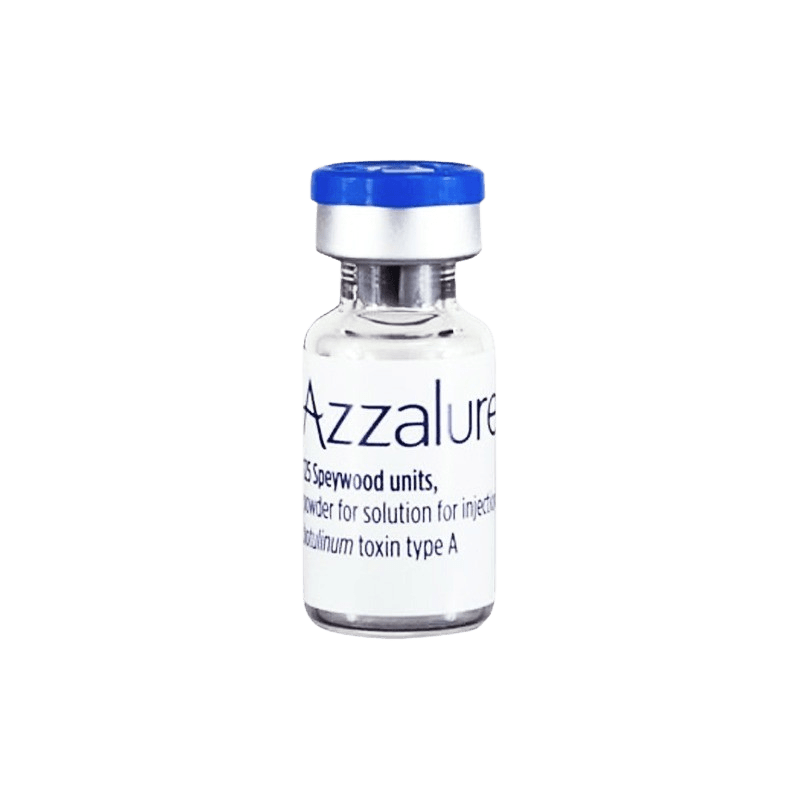
One can see this in the growing familiarity of aesthetic treatments that once lived at the edges of conversation. Names that used to sound specialized now drift through everyday speech, from clinic waiting rooms to group chats to discreet online browsing. A product listing such as Azzalure sits within that wider landscape, not merely as an item on a page, but as a marker of how visible these conversations have become.
The face as a social document
Faces have always carried more than features. They collect weather, laughter, worry, work, and sleep. They also collect the gaze of other people. A face is personal, but it is never entirely private. It is read constantly, sometimes kindly and sometimes carelessly.
That may be why even small aesthetic choices can feel larger than they look from the outside. They are not always about chasing youth in the blunt way culture often assumes. Sometimes they are about continuity: wanting the outside to feel less estranged from the person inside. Sometimes they are about presentation, the same way one chooses a jacket, a haircut, or a shade of lipstick. Sometimes they are simply about wondering what change might feel like.
Modern beauty culture tends to flatten these motives. It loves extremes: vanity or empowerment, pressure or freedom, artificiality or authenticity. Real life is softer and messier. A person can feel confident and curious at the same time. They can resist beauty standards and still enjoy refinement. They can know that aging is natural while also noticing the details that time leaves behind.
The new normal of almost-invisible decisions
A striking feature of contemporary aesthetics is how quiet it often wants to be. Not hidden, exactly, but subtle. The cultural fantasy has shifted away from obvious transformation and toward the idea of looking rested, composed, or slightly more like oneself on a very good day.
This is where the language around beauty becomes interesting. People rarely say they want to become someone else. More often, they talk about softening, refreshing, balancing, maintaining. Whether or not one engages with any of it, the vocabulary reveals a wider desire: change without rupture.
There is something very modern in that. We live in an age of constant updates, but we still crave continuity. We edit photos but distrust fakery. We value naturalness, yet naturalness itself is often carefully assembled. A bare face may involve serums, sunscreen, sleep tracking, brow shaping, and a dozen tiny negotiations with time.
The line between routine and intervention is not as clean as people like to pretend. A face cream, a filter, a facial massage, a cosmetic appointment, a new hairstyle: each belongs to a different category, yet all participate in the same private question. What do I want to see when I look back at myself?
Curiosity without spectacle
There is also a quieter kind of curiosity at play. Not the impulsive hunger for novelty, but the slow noticing of options. A person hears a term once, then again. Someone they know mentions an appointment casually. A name appears while browsing. The unfamiliar becomes part of the background.
This process changes the emotional temperature around a subject. What once seemed distant can become ordinary through repetition. Not necessarily desirable, not necessarily right for everyone, but less mysterious. Culture often changes this way: not with a declaration, but with a hundred small encounters.
That does not mean the conversation becomes simple. If anything, wider visibility invites more nuance. People bring different histories to beauty. For some, aesthetic choices feel playful and expressive. For others, they are tangled with scrutiny, age, gender, profession, or the uneasy feeling of being looked at too much. The same gesture can carry different meanings depending on who is making it and why.
This is why judgment feels too blunt a tool. Beauty decisions, especially the subtle ones, often sit inside private emotional architecture. From the outside, one sees the surface. From the inside, there may be years of photographs, comments, comparisons, compliments, insecurities, and small moments of recognition.
The promise of control, and its limits
Part of the appeal of modern self-presentation is the feeling of agency. In a world where so much is unstable, the body becomes one of the few places where choice appears possible. A routine can be calming because it is repeatable. An appointment can feel like a decision. A change, however minor, can provide the sensation of participating in one’s own image.
Yet control is never total, and perhaps that is worth remembering. Faces move through time. They respond to life. They are not static objects to be solved. The most thoughtful beauty conversations leave room for this uncertainty. They do not insist that every line is a problem or that every choice is liberation. They allow for ambivalence.
Ambivalence is not weakness. It may be the most honest position available. To care about appearance is human. To question why we care is also human. To enjoy beauty while recognizing cultural pressure is not hypocrisy; it is the ordinary complexity of living in a visible body.
A more generous way to look
The changing reflection in the mirror does not always ask for an answer. Sometimes it asks for attention. It asks us to notice the stories we have inherited about freshness, age, expression, and confidence. It asks us to separate curiosity from compulsion where we can, and to be kinder about the choices other people make in the space between them.
Perhaps the most interesting thing about today’s aesthetic landscape is not any single product, trend, or treatment. It is the way these things reveal our ongoing negotiation with identity. We want to be seen accurately. We want to feel at home in our faces. We want permission to change and permission not to.
That mirror quiet remains, morning after morning. Within it, the smallest rituals can carry surprising weight. Not because they define us, but because they show how carefully we are always trying to meet ourselves.