The Small Rituals We Notice Only When Comfort Falters
A quiet look at the routines around eye comfort, and why the smallest forms of care often feel the most revealing.
There is something strangely humbling about anything designed for the eye.
Not dramatic, not loud, not even especially visible from across a room. Just a small object with a very specific purpose, living in the borderland between inconvenience and relief. It sits there as a reminder that much of daily life depends on comforts so basic we rarely name them. Clear sight. Soft focus. The ability to move through a day without thinking about blinking, light, screens, or the subtle texture of air.
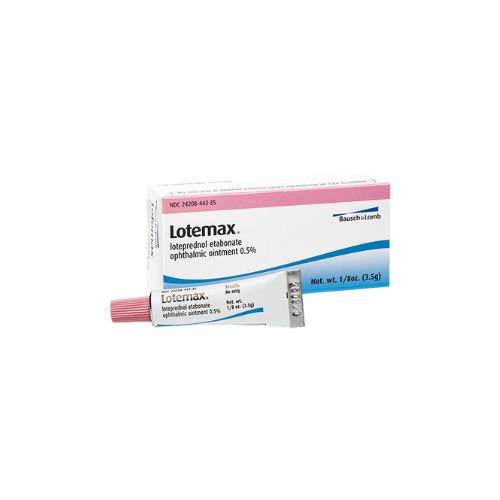
When that ease disappears, even a little, the world changes scale. A room feels brighter than usual. Reading feels more negotiated than automatic. The face becomes less expressive and more practical, busy with tiny adjustments nobody else notices. It is often in those moments that a product like Lotemax Ophthalmic Ointment comes into view not just as an item on a shelf, but as part of a very old human habit: trying to restore a sense of ordinary comfort.
The overlooked drama of ordinary seeing
Vision has a peculiar status in modern life. We speak about perspective all the time, but hardly ever about the maintenance of perception itself. We celebrate what we watch, stream, read, scroll, and photograph. We build whole industries around visibility. Yet the physical act of seeing tends to be treated as if it should happen effortlessly forever, with no friction and no negotiation.
That assumption is part of why eye-related care feels so intimate. It interrupts the fantasy of seamless living. Suddenly, attention narrows. The mirror matters. Lighting matters. Rest matters. The pace of a day may shift in ways that would have seemed unnecessary before. What seemed small becomes central.
There is also a curious emotional quality to this kind of care. It is neither glamorous nor particularly shareable. Nobody romanticizes an ointment tube the way they might a perfume bottle or a favored hand cream. It belongs to a quieter category of objects: things we reach for when comfort becomes the whole story.
A culture built on strain and correction
It is hard to ignore how much of contemporary life asks for prolonged focus. We move from glowing screens to bright stores to late-night messages with barely a pause. The eyes are expected to adapt to every setting without complaint, almost like invisible stagehands keeping the performance going.
That may be why products associated with eye comfort carry a different emotional tone than many other personal care items. They do not promise reinvention. They do not flirt with aspiration. Their appeal is simpler and, in a way, more honest. They belong to the world of maintenance, of tending, of making things feel normal again.
There is something culturally revealing in that. We often admire transformation, but much of real life is about preservation. Keeping a routine intact. Holding onto concentration. Protecting the ability to read a page, answer a message, or step outside without feeling thrown off by the environment. The tools connected to that effort may be small, but they sit close to the core of how a day feels.
Why the smallest forms of care can feel the most personal
Perhaps that is what makes this topic unexpectedly resonant. Eye care is practical, yes, but it also exposes a private relationship with vulnerability. We can ignore a lot in ourselves until it alters how we engage with the world. Once seeing feels less automatic, awareness becomes almost philosophical. We are reminded that comfort is not background scenery. It shapes mood, patience, confidence, and the rhythm of attention.
And unlike more public forms of self-maintenance, this one often happens in silence. A pause at the sink. A glance at a label. A moment of stillness before sleep or before stepping into the day again. The ritual is small, but the feeling around it is not. It carries a subtle hope that the world will feel easier to meet in the next hour than it did in the last one.
That is why objects in this category can seem unexpectedly significant. They are not merely products in the retail sense. They are markers of a threshold: the point where the body asks to be noticed. They remind us that care is not always elaborate. Sometimes it is narrow, precise, and almost unpoetic in form, yet deeply human in meaning.
Maybe that is the real lesson hidden inside such a modest item. We spend so much time chasing upgrades, optimizations, and dramatic changes that we forget how meaningful ordinary ease can be. To see without strain, to move without constant self-awareness, to return to the unremarkable flow of a day—these are not flashy ambitions, but they may be among the most quietly important.
And so the little tube on the shelf becomes more than a niche object. It becomes a symbol of something larger: the way people keep reaching for steadiness, one small ritual at a time.
https://borderfreehealth.com/shop/lotemax-ophthalmic-ointment-0-5-3-5g-canada/