The Small Rituals We Rarely Notice Until They Matter
A quiet look at the objects that slip into daily life and become part of how people read uncertainty, routine, and reassurance.
Some objects arrive in life with no grand entrance. They are not beautiful in any obvious way, not designed to be admired across a room, not usually the subject of conversation unless someone needs them. And yet they become part of the architecture of a day.
Test strips belong to that category of object: small, practical, almost anonymous until you realize how much meaning can gather around something so ordinary. They live in bags, drawers, glove compartments, kitchen counters, coat pockets. They are easy to overlook if you have never had to think about them. But once they enter someone’s routine, they stop being background and start becoming rhythm.
There is something quietly modern about that. We live in an era obsessed with big declarations—transformations, breakthroughs, dramatic before-and-after moments. But real life is often organized by humble tools. The things that matter most are frequently the least theatrical.
A tiny object with a large presence
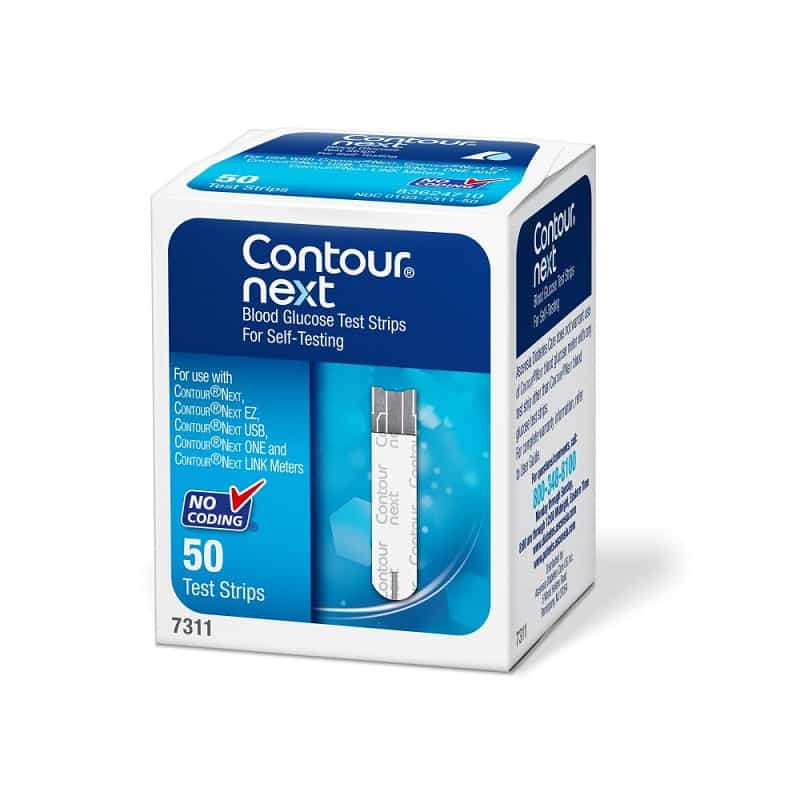
What stands out about products like Contour Next Test Strips is not glamour or novelty. It is familiarity. Their presence suggests repetition, and repetition tells a deeper story than hype ever can. A repeated action is rarely just an action. It becomes a habit, a pause, a way of checking in with the body, the day, the mood, the unknown.
That is why practical objects often carry emotional weight far beyond their size. A strip is not just a strip in the abstract. It can represent preparedness. It can signal attentiveness. It can become one of those items people make sure they have before leaving the house, the same way others check for keys or a wallet or a phone.
And somewhere in that pattern, something interesting happens: utility turns into ritual.
The culture of quiet preparedness
There is a whole culture built around not wanting to be caught off guard. You can see it everywhere, not only in health-related routines but in the way people pack chargers, water bottles, snacks, backup plans, weather apps, and tiny emergency comforts. Modern life has made us all connoisseurs of contingency.
In that context, a product like this sits inside a much wider human habit. It reflects the subtle dignity of being prepared without making a spectacle of it. It is part of a private choreography people build for themselves—small checks, small pauses, small acts of steadiness.
That may be why these kinds of items feel so personal. They do not simply solve a problem in a dramatic, cinematic sense. They accompany. They recur. They ask to be remembered. Their significance grows not because they demand attention, but because they quietly earn it.
Design that disappears into life
The most successful everyday tools tend to share one quality: they disappear into routine. Not because they are unimportant, but because they fit so neatly into real life that they stop announcing themselves. This is a strangely underrated kind of design success.
People often talk about innovation as if it must be loud. But there is another version of innovation that feels almost invisible from the outside. It lives in the object that becomes second nature. The one you learn where to store without thinking. The one you reach for automatically. The one that folds itself into ordinary time.
There is poetry in that, even if the object itself is purely functional. Maybe especially then.
More than a product page can say
A retail listing can show packaging, name a brand, and outline what the object is. But those surface details never quite capture what everyday tools mean once they enter someone’s life. The interesting part begins after purchase, after unboxing, after the object loses its novelty and gains a role.
That role is rarely dramatic. It is lived in fragments: early mornings, rushed afternoons, travel days, quiet evenings, moments of certainty, moments of ambiguity. The object becomes part of a person’s private landscape. It absorbs context. It gains history.
This is true of many things people rely on regularly. Familiarity creates attachment, even when the attachment is understated. You do not have to love an object in a sentimental way to feel its importance. Sometimes trust looks plain. Sometimes reassurance comes in packaging so ordinary it nearly disappears.
The meaning of small things
Perhaps that is the real story hidden inside products like test strips. Not the obvious story of what they are, but the subtler story of what they represent in everyday life: attention, continuity, routine, the desire to meet uncertainty with something tangible.
We do not often celebrate these small infrastructures of living. We tend to notice the dramatic moments and skip over the modest systems that support them. But daily life is built from those systems. It depends on repeatable actions, manageable objects, and quiet forms of reliability.
A tiny item can hold an outsized place in the mind simply because it helps turn the unknown into something a little more legible. And in a world full of noise, that kind of modest clarity has its own strange gravity.
Not everything meaningful arrives with grandeur. Sometimes it comes in a small box, sits in a drawer, travels everywhere, and becomes part of how a person moves through the day.
https://canadianinsulin.com/product/contour-next-test-strips/