The Smallest Tools Often Carry the Loudest Routines
Some objects barely take up space, yet they quietly shape a whole mood, rhythm, and way of moving through the day.
There are certain objects so small they almost disappear into the background of a room. They live in drawers, pouches, side pockets, bathroom shelves, and travel kits. You don’t really notice them until a routine brings them into focus. Then suddenly they seem to hold more than their size should allow.
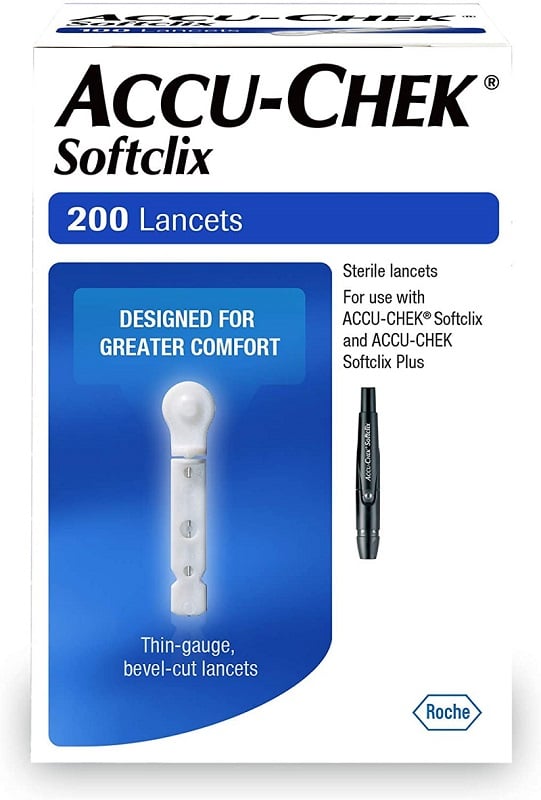
Lancets belong to that category of object: modest, precise, easy to overlook, yet tied to a kind of everyday choreography that says a lot about modern life. Not just health, not just habit, but the strange way people build trust with tiny tools. Even the name Accu-Chek Softclix Lancets sounds like a meeting point between engineering and intimacy, between something manufactured and something deeply personal.
The quiet drama of small routines
What’s striking about these kinds of products is not spectacle but repetition. They belong to moments that rarely get a cinematic soundtrack. No one writes grand scenes around a small device prepared on a countertop or tucked back into a case. And yet those moments often carry their own emotional weather: patience, annoyance, familiarity, steadiness, even relief.
We tend to think life is shaped by major decisions, but it is just as often shaped by the little motions repeated so many times they become a private language. Open. Check. Pause. Continue. A small object enters the frame and the day adjusts around it.
That is part of why certain medical-adjacent tools feel culturally interesting. They sit at the intersection of technology and routine, but also between visibility and invisibility. Many people use them, depend on them, or recognize them, yet they are rarely discussed in the same way as phones, watches, or other daily gear. They are essential without being celebrated. Familiar without being fashionable.
Design that asks not to be noticed
There is something almost poetic about products designed to reduce friction in a person’s day. The best everyday objects, in any category, are often the ones that don’t demand attention. They simply fit into the rhythm already underway.
That idea says a lot about how we live now. We gravitate toward things that feel streamlined, manageable, and less emotionally loud. The modern appetite for convenience is not always laziness; sometimes it is just fatigue. People want tools that leave more room for the rest of life.
A small item like a lancet becomes part of that larger story. It is not only about function. It is also about texture, predictability, and the comfort of a routine that doesn’t need to reinvent itself every morning. In a world filled with endless notifications and constant interpretation, there is something oddly grounding about an object with a clear role.
The private architecture of care
There is also a social layer to all this. Many forms of self-care are performative now, packaged for sharing, styled for shelves, turned into identity. But some routines remain resolutely unglamorous. They happen quietly, sometimes invisibly, and they resist being turned into lifestyle theater.
That privacy creates a different kind of dignity. It reminds us that care is not always soft lighting and inspirational language. Sometimes care is practical. Sometimes it is repetitive. Sometimes it is a tiny object that asks for no applause.
And perhaps that is why these products can feel emotionally larger than they appear. They become linked to discipline, autonomy, and the ongoing work of tending to a body without making that work the whole story of a life. The object is small; the meaning around it is not.
More than an item in a kit
When people talk about everyday essentials, they usually mean chargers, keys, wallets, water bottles, headphones. But there is a whole parallel universe of essentials that only reveal themselves inside lived routine. These are the items that organize mornings, travel plans, spare drawers, and backup plans. They create a hidden map of preparedness.
That hidden map is deeply human. It shows how people make room for uncertainty without surrendering the day to it. They assemble systems. They keep things close. They learn the emotional value of reliability.
In that sense, a product like this is more than a disposable detail. It becomes part of the architecture of getting on with things. Not dramatically. Just steadily.
And that steadiness matters. It may be one of the least glamorous virtues, but it is often the one that carries the most weight over time.
The dignity of ordinary precision
Maybe that is the real story behind so many small healthcare tools: they reveal how much of life depends on ordinary precision. Not perfection. Not mastery. Just the quiet repetition of doing what needs to be done, then moving forward.
There is something moving in that. A reminder that resilience is often built from objects no one would frame as symbolic. A reminder that design can participate in comfort without becoming sentimental. A reminder that the smallest items in a drawer may hold entire routines together.
Some tools ask to be admired. Others simply ask to be there when needed. Often, those are the ones that end up mattering most.
https://canadianinsulin.com/product/accu-chek-softclix-lancets/