The Strange Appeal of Things That Promise Swiftness
A reflective look at why speed has become such a persuasive idea in modern rituals, choices, and expectations.
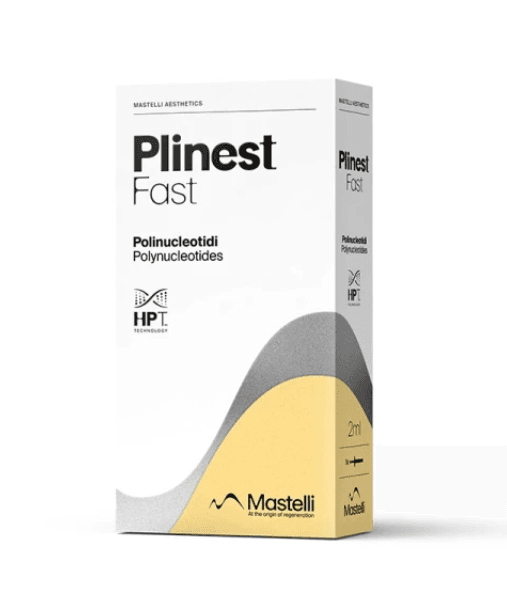
There is a particular kind of modern phrase that seems to arrive already wearing running shoes. It does not ask us to linger. It does not invite a long pause. It suggests movement, immediacy, a shorter distance between wanting and having, between noticing and responding.
That is partly why a name like the one found on Med Wholesale Supplies feels less like a label and more like a small cultural signal. The exact details belong to its own context, but the language around speed is instantly recognizable. We meet it everywhere: in deliveries, downloads, appointments, beauty routines, messages, meals, and even the way we expect answers to appear before we have fully shaped the question.
The word that changes the mood
“Fast” is a tiny word with a large emotional footprint. It can sound efficient, thrilling, practical, impatient, reassuring, or slightly suspicious depending on where it appears. On a train schedule, it suggests relief. On a lunch counter, convenience. In a conversation, perhaps a little pressure.
The fascination is not only with speed itself. It is with what speed seems to promise: less waiting, less uncertainty, fewer blank spaces in which doubt can grow. Waiting has become one of the few remaining moments where modern life still resists our commands. We can organize, automate, subscribe, track, and refresh, yet some things still unfold in their own time.
So when a product, service, or idea carries the suggestion of quickness, it touches a familiar nerve. It speaks to the part of us that wants life to feel less like a queue and more like a door opening when we reach for the handle.
Our impatience is not always shallow
It is easy to scold the modern appetite for immediacy, as if wanting things sooner automatically means we have become less thoughtful. But impatience is often more layered than that. Sometimes it comes from crowded schedules. Sometimes from emotional fatigue. Sometimes from the quiet wish to feel that something is happening.
The desire for speed can be practical, but it can also be symbolic. A quicker process may feel like progress. A shorter wait may feel like control. A faster response may feel like being seen.
This is why the language of swiftness has become so powerful across so many parts of daily life. It does not merely describe pace. It describes a relationship to hope. We want signs. We want movement. We want evidence that time is not simply passing, but carrying us somewhere.
The culture of the near-instant
There was a time, not very long ago, when waiting was built into almost everything. Photographs had to be developed. Letters had to travel. Research meant searching shelves. A purchase might involve a trip, a conversation, and a return visit. Delay was not romantic for everyone, of course, but it was ordinary.
Now delay often feels like a malfunction.
A spinning icon can irritate us in seconds. A late reply can gather imaginary meanings. A slow webpage can make an entire organization seem outdated. The rhythm of technology has trained expectations that spill into places technology cannot fully govern.
This has changed how people encounter nearly every offering. We do not only ask what something is. We sense how quickly it fits into a life already moving at high speed. We notice whether it appears streamlined, whether it reduces friction, whether it seems to understand that attention is scarce.
The most successful modern language often does not shout. It simply implies, “This will not take more from you than it needs to.”
But speed has a shadow
The strange thing about fast things is that they can make slowness feel like failure. A slow morning, a gradual decision, a process that asks for patience — these can seem out of step with the tempo around us. Yet many meaningful experiences remain stubbornly resistant to acceleration.
Trust is slow. Taste is slow. Recovery, learning, friendship, confidence, and discernment all tend to dislike being rushed. Even when something arrives quickly, our understanding of it may take longer to settle.
This is the tension at the heart of our attraction to speed. We want efficiency, but not emptiness. We want convenience, but not carelessness. We want a shorter path, but not a shallower one.
The word “fast” can therefore create two feelings at once: relief and caution. It is appealing because life is busy. It is complicated because life is not only logistics.
What we are really listening for
When people respond to the promise of quickness, they may be listening for something beneath the surface. Not merely “soon,” but “with less friction.” Not merely “rapid,” but “attentive to my time.” Not merely “immediate,” but “designed for the way life actually feels now.”
This is where language becomes interesting. A single word can carry the mood of an era. It can reveal how tired people are of delays, how accustomed they have become to convenience, and how deeply they value anything that seems to shorten the gap between intention and experience.
But perhaps the better question is not whether faster is always better. It is what kind of speed we trust.
There is a difference between haste and grace. Haste feels anxious, clipped, breathless. Graceful speed feels smooth. It gives the impression that effort has happened somewhere behind the curtain, so the person encountering it does not have to wrestle with the machinery.
That may be the version of speed people are most drawn to now. Not the frantic kind. Not the loud kind. The kind that feels almost quiet.
A small mirror of a larger desire
In the end, a word suggesting quickness is never just about pace. It is a mirror held up to the way people live: full calendars, compressed routines, rising expectations, and a persistent hope that some parts of the day might become simpler.
We may admire slowness in theory. We may long for unhurried afternoons, deeper attention, and the patience to let things unfold. Yet we also reach for whatever helps us move through the practical world with fewer obstacles. There is no clean contradiction there. It is simply human.
We want time to expand where meaning lives and contract where friction gathers.
That is the quiet appeal of swiftness. Not speed for its own sake, but speed as a promise that the unnecessary waiting might fall away, leaving more room for the parts of life that deserve to take their time.