The Strange Calm of Wanting to Look More Rested
A quiet look at why modern beauty language leans toward subtle change, soft promises, and the appeal of looking like yourself on a better day.
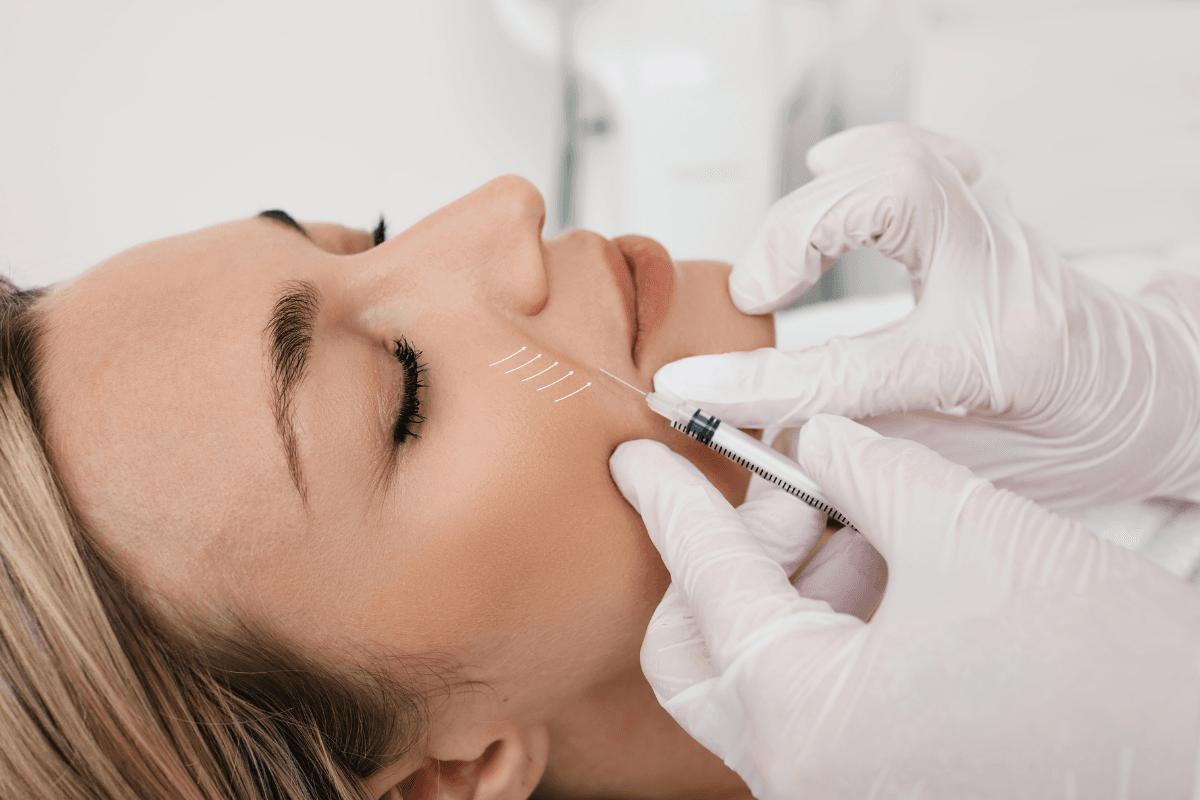
There is something revealing about the way beauty conversations have changed. They used to orbit around transformation: before and after, dramatic reveal, visible difference. Now the language is softer. People talk about looking refreshed, smoother, less tired, more like themselves after a long weekend that never actually happened.
That shift says a lot. It suggests that for many people, the ideal is no longer reinvention. It is recognition. The face in the mirror should still feel familiar, just somehow less burdened by stress, screens, late nights, and the relentless brightness of modern life.
I found myself thinking about this after seeing a reference to Ultracol in a clinical beauty context. Not because the name itself is especially poetic, but because it belongs to a wider vocabulary that has become strangely ordinary. Terms that once sounded technical now slip into casual conversation, tucked between skincare routines, wellness habits, and small confessions about feeling tired when life looks perfectly fine on paper.
The appeal of subtle change
What people seem to want now is not the spectacle of alteration but the atmosphere of ease. The idea is less “become someone else” and more “quiet the evidence of living at full speed.” That is a very contemporary desire.
We live in close-up. Cameras open with one tap. Meetings happen in little glowing rectangles. Lighting is rarely flattering, attention is constant, and the face has become a kind of public interface. In that environment, even small signs of fatigue can feel louder than they once did. It makes sense that the most appealing beauty promises are the ones that suggest lightness rather than labor.
And yet, there is a contradiction here. The pursuit of looking effortless can become its own elaborate effort. The low-maintenance ideal often requires a remarkable amount of maintenance. Entire industries are built around making intervention feel invisible.
Practice, not fantasy
The phrase “in practice” carries an interesting kind of honesty. It pulls a glossy idea back down to earth. It implies waiting rooms, consultations, routines, expectations, and the ordinary reality that sits underneath all polished language.
That grounding matters. So much of beauty marketing trades in fantasy, but people usually make decisions inside much smaller, more practical emotions. They want to feel more at ease at work. They want their reflection to match their energy on a good day. They want to stop fixating on one detail that seems to catch the light in an unkind way.
In other words, the emotional story is often quieter than the visual story. The cultural image may be about youth, perfection, radiance. The personal motivation is often about comfort. About friction. About reducing one small source of self-consciousness in a world already full of too many.
A new beauty mood
What stands out most is how these choices now sit alongside everything else people do to manage modern life. Skincare, sleep tracking, gym memberships, supplements, mindfulness apps, better lighting, less alcohol, more water, silk pillowcases, facial tools in the freezer. The line between beauty ritual and life administration has become almost impossible to draw.
That does not make the desire shallow. If anything, it makes it familiar. Most people are not chasing a fantasy version of themselves every hour of the day. They are making small negotiations with time, stress, visibility, and self-image. They are responding to a culture that asks us to be seen constantly while also pretending that appearance should never matter too much.
That is why the conversation feels so delicate. To care is considered normal. To care too openly is still judged. So the preferred language becomes coded: refreshed, natural, subtle, rested. Words that imply improvement without vanity, intention without obsession.
The face as a diary
Maybe that is the deeper tension underneath all of this. Faces record things. Not just age, but weather, habits, mood, grief, laughter, concentration, years of squinting at messages and hurrying through days. To want some control over that record is deeply human. It is not new. Only the tools and vocabulary change.
What feels new is the tone. Less makeover, more calibration. Less drama, more editing. More interest in looking well than in looking different.
There is something almost philosophical in that. It suggests a culture trying to negotiate with time rather than defeat it. Not denying that life leaves marks, but asking whether those marks must always be the loudest thing in the room.
Perhaps that is why these topics linger in the imagination. They are never only about appearance. They are also about agency, privacy, confidence, and the small, persistent wish to move through the world without feeling overexposed.
And maybe that is the strange calm at the center of it all: not the dream of perfection, but the quieter hope of looking a little more like the version of yourself that feels internally intact.
https://medwholesalesupplies.com/ultracol-injection-long-lasting-skin-rejuvenation-solution/