The Strange Calm of Wanting to Look Unbothered
A quiet look at the modern appeal of polished stillness, and what it says about how we want to be seen.
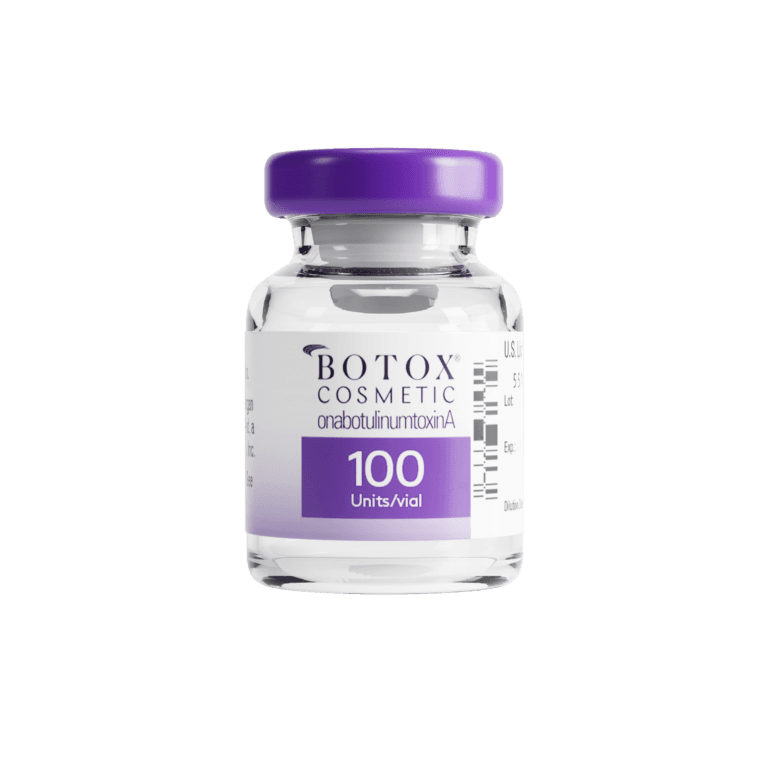
Some ideas arrive in culture with a whisper and then somehow become part of the wallpaper. They stop sounding like trends and start sounding like atmosphere. You hear them in waiting rooms, in group chats, in passing jokes, in the sort of casual confession that is only half a confession. They belong to beauty, yes, but also to performance, timing, self-presentation, and the low hum of being visible.
That is part of what makes a name like Botox feel larger than the thing itself. It no longer lives only in one category. It has become shorthand, reference point, symbol, punchline, aspiration, and sometimes even a mood. It can suggest discipline, upkeep, secrecy, effort, ease, anxiety, control, glamour, sameness, reinvention. Few cultural objects carry so many opposing meanings at once.
The look beneath the look
What people seem to chase is not just appearance but a feeling attached to appearance: composure. Not perfection exactly, and not youth in the fairy-tale sense either. More often, it is the desire to look rested in a world that rewards endless responsiveness. To look serene while calendars overflow. To seem untouched by the friction that modern life leaves on the face, the voice, the schedule.
That is why this territory fascinates people who are not even especially interested in beauty culture. It reveals a broader wish that runs through everything now: the wish to appear frictionless. We edit emails to sound effortless, arrange homes to look accidentally beautiful, and practice forms of self-maintenance that are meant to disappear into the final image. The labor matters, but only if it cannot be seen.
In that sense, the conversation around Botox is really a conversation about polish. About how much effort society admires, and how much it prefers to imagine never happened.
The age of subtle evidence
There was a time when transformation was supposed to announce itself. New haircut, new wardrobe, dramatic reveal. Now the preferred fantasy often feels smaller and more elusive. People want compliments that sound like guesses. You look well. You seem refreshed. Did you change something? The ideal result, culturally speaking, is often not spectacle but ambiguity.
That ambiguity is where so much of the intrigue lives. Contemporary beauty is obsessed with evidence that does not quite look like evidence. Improvement without visible intervention. Change without disruption. It is less about becoming a different person than becoming a slightly edited version of the person everyone already recognizes.
And yet that subtlety creates its own kind of pressure. If the standard is invisibility, then even the act of trying must be hidden. The polished face joins the polished bio, the polished apartment, the polished sense of ease. Everything is curated toward the impression that nothing was curated at all.
Why the conversation never stays shallow
People sometimes dismiss this subject as trivial, as if concern with appearance cannot also be concern with identity, belonging, work, aging, or power. But surfaces have always carried social meaning. The face, especially, is where the private self and public expectation keep meeting each other.
That is why a single product page can point to a much wider landscape of thought. Even a simple reference like this listing gestures toward a whole ecosystem of desire and interpretation. Not because it explains everything, but because the name itself already arrives loaded with association.
For some, it symbolizes choice and authorship: the right to shape how one moves through the world. For others, it suggests the exhaustion of having to manage one more thing. For many, it is both at once. That duality feels very current. So much of modern selfhood is built from contradictory impulses: acceptance and refinement, authenticity and performance, freedom and expectation.
The face as social language
We often talk about expression as if it belongs only to emotion, but expression is also social. People read confidence, openness, fatigue, intensity, warmth, status. Faces become stories, often before a word is spoken. Once you notice that, the larger conversation shifts. It becomes less about vanity in the cartoonish sense and more about how deeply people understand that being seen is never neutral.
Maybe that is why the topic remains oddly durable. It sits at the crossroads of aspiration and fatigue. It reflects a culture that says everyone should age naturally, but also gracefully, attractively, professionally, and without visible strain. It celebrates individuality while rewarding a very specific form of control. No wonder the mood around it can feel both casual and charged.
The most revealing part may be the language people use. They rarely describe these choices in grand terms. They speak softly, almost architecturally, about smoothing, softening, maintaining, refreshing. The vocabulary is gentle, but beneath it is a serious question: how much of the self should be shaped for the gaze of others, and how much simply for the relief of feeling more at home in one’s own image?
There is no clean cultural answer to that, which is probably why the subject keeps returning. Not because it is only about beauty, but because it touches one of the oldest tensions in public life: the difference between being ourselves and being perceived. Sometimes that gap feels small. Sometimes it feels like an entire industry.
And every so often, one familiar name becomes the shorthand for all of it.