The Wish to Start Over, Written on the Surface
Some products become objects of hope long before they become part of a routine; the fascination says as much about us as it does about the shelf.
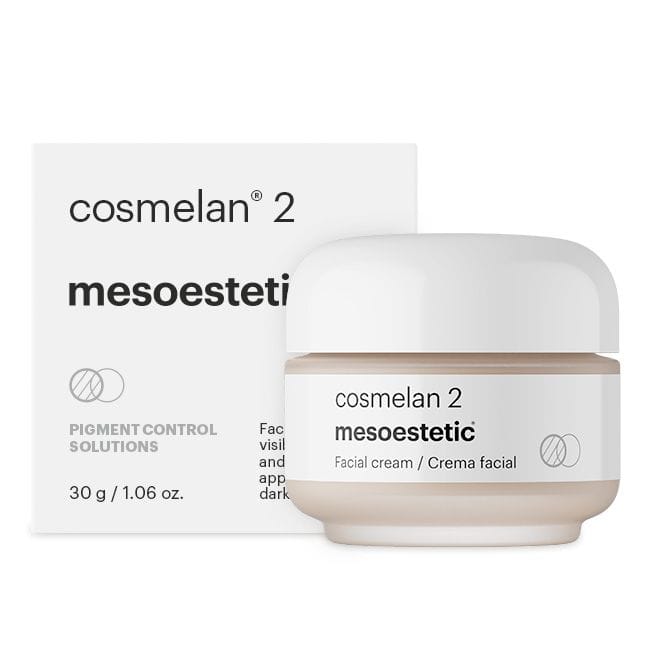
Some names arrive with an unusual kind of gravity. They are not just products sitting inside a category; they seem to gather expectation around them, as if people are really talking about a feeling they want rather than a jar, a box, or a formula.
That is what stands out when you encounter something like Mesoestetic Cosmelan. Even without getting pulled into technical language, the mood around it is familiar. It belongs to a larger modern ritual: the search for a visible reset, the quiet hope that the mirror might one day feel less like a report and more like a reunion.
The beauty of the “fresh start” idea
People are often drawn to products that seem to promise a turning point. Not perfection, exactly. More like a clearing of static. A chance to feel that the story visible on the face can be softened, edited, or simply approached with a little more gentleness.
That desire is easy to dismiss if you reduce it to vanity, but that misses the texture of it. Appearance lives close to memory. It sits beside routine, confidence, self-consciousness, and the odd emotional weight of being seen before you are fully ready. So when a product earns a reputation for being part of a serious routine, it can start to represent something bigger than skincare. It begins to sound like effort made tangible.
There is something deeply contemporary about that. We live in an age of before-and-after thinking, where transformation is presented as both personal and visible. We are constantly shown proof that change can be documented, accelerated, curated. In that atmosphere, certain names become shorthand for commitment. They suggest not a casual dabbling, but a deliberate pause in the usual flow.
More than a shelf item
Some beauty products are casual acquaintances. You pick them up, you put them down, and they leave very little cultural trace. Others travel differently. They get mentioned in conversations with a lower voice. They appear in recommendation threads like passwords. Their presence feels less like shopping and more like entering a subculture of people who have decided that surface matters because experience does.
That is part of the intrigue here. Not the specifics, but the aura. The sense that a product can sit at the intersection of professionalism, aspiration, and personal narrative. Even the packaging language of this world tends to carry a certain seriousness, as if beauty has borrowed some of the authority of procedure, discipline, and expertise.
And maybe that seriousness is part of the appeal. It offers a counterweight to the endless playfulness of trends. Not every beauty decision is about experimentation or aesthetics in the lighthearted sense. Sometimes it is about wanting to feel more at ease in your own daily visibility.
Why these names linger
The products that linger in public imagination usually do so because they tap into a familiar contradiction: we want change, but we also want change to look natural, earned, and somehow emotionally true. We want the intervention to disappear into the result. We want effort without obvious evidence of effort.
That contradiction shows up everywhere in modern self-presentation. We talk about authenticity while curating carefully. We claim not to care while learning the vocabulary of care in great detail. We say we want simplicity, then build elaborate rituals around the dream of appearing untouched.
So when one product name keeps resurfacing, it often has less to do with hype alone and more to do with what it symbolizes. It becomes a tiny container for a larger cultural wish: to be able to begin again without announcing that a beginning took place.
The emotional economy of visible change
There is also a quieter reason these products attract attention. Visible changes, or even the hope of them, carry emotional efficiency. People may not have language for every stress, shift, or season they are moving through, but they often understand the pull of doing something concrete. A routine can feel like structure. A product can feel like intention. A decision about the face can become a way of saying, however privately, that things are not fixed.
That does not make the object magical. If anything, it makes the fascination more human. We attach meaning to the things that let us imagine movement. A cream, a treatment, a carefully chosen step in the bathroom mirror light: these are small theatres where anticipation gets to rehearse.
And anticipation is powerful. It changes how people look at themselves before anything else has had time to. Sometimes the idea of care arrives first, and that alone alters the atmosphere.
A modern kind of symbolism
What interests me most about names like this is not their technical reputation but their symbolic life. They sit in the space between commerce and longing. Between expertise and storytelling. Between the practical world of routines and the poetic world of becoming.
Maybe that is why certain products seem to exceed their own category. They are never just about what they are. They are about the version of the self that might emerge through attention, patience, and the belief that surfaces can hold new beginnings.
In the end, that may be the most revealing part of all: not that people seek visible change, but that they so often seek it in ways that also sound like hope.
https://medwholesalesupplies.com/product/mesoestetic-cosmelan/