We arrange our days around invisible clocks
A quiet walk through the tempos and textures we inherit from the language around insulin.
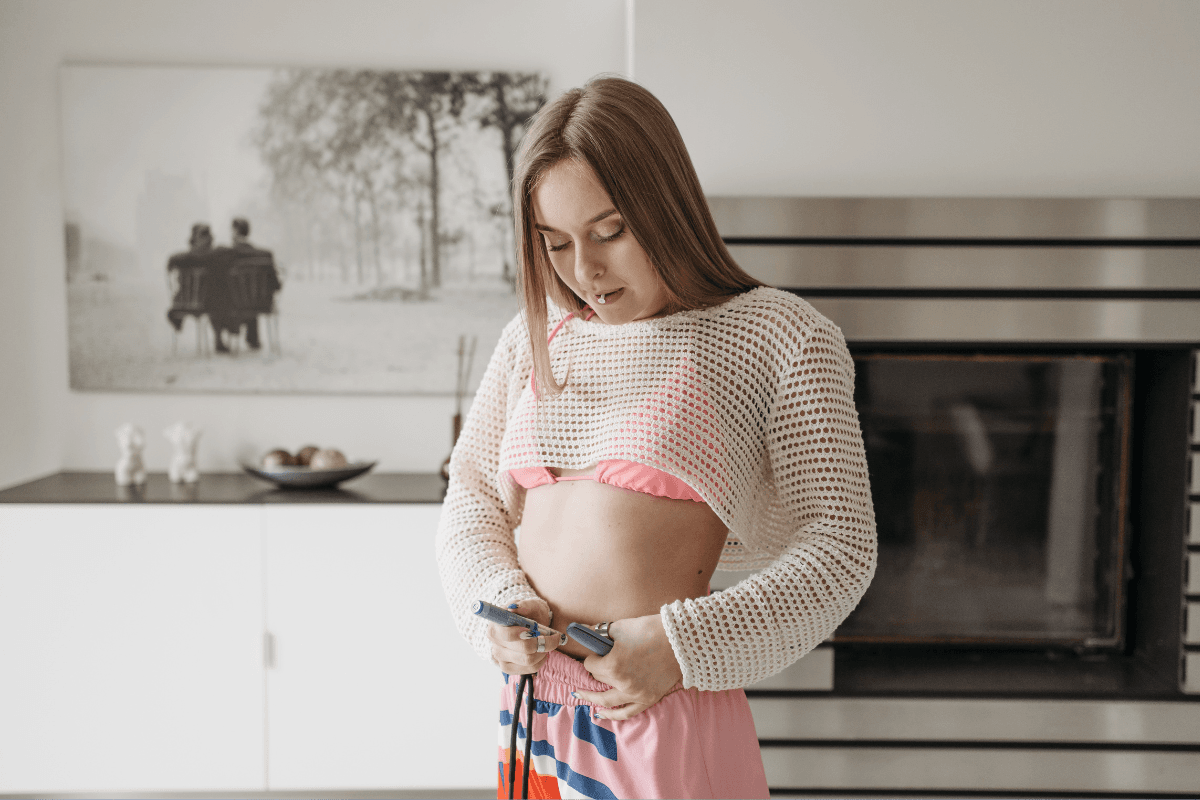
We arrange our days around invisible clocks. Some are public—the school bell, the train timetable—but others tick softly in the margins of a pocket or a bag. Insulin, and the words we use for it, has a way of shaping time like that: a set of tempos, labels, and rituals that map themselves onto ordinary hours.
I first noticed the choreography, not the chemistry. A case on a desk. A pen that clicked with a certain intention. The way someone glances at a watch and the room seems to pause for a beat. The language surrounding insulin—those categories that sound like tempos—invites a person to imagine a score: fast, steady, lingering. Even without technical detail, the names feel like cues from a conductor. We hear them and picture intervals, bridges, and refrains.
The tempo of labels
Labels are practical, of course. But they also carry mood. When a bottle or pen uses a word that suggests speed, you can feel the staccato of it. When it leans toward endurance, you sense a legato line running beneath the day. Many people never think about this, yet the effect is visible in small choices—what to bring, where to sit, how to leave a meeting. Language turns a private routine into a quiet architecture of time.
There’s a cultural layer to it, too. Grocery lists, calendar apps, and kitchen counters become staging areas. The fridge door gathers notes and strips of tape like the border of a map. The rituals are practical but they are also expressive; they say, here is a life that keeps its own counsel, that respects a clock you might not see.
Containers, colors, and the ways we remember
Open a drawer and you may find a little museum: pen caps in specific hues, boxes with certain edges, small booklets with illustrations that nobody reads twice but never throws away. It’s not just storage; it’s a memory system. Color becomes shorthand for tempo, and shape becomes shorthand for context. We don’t have to recite instructions to know what a certain blue means in the half-light of early morning. Our hands, quicker than our thoughts, reach for the right thing.
Travel sharpens this. A carry-on bag becomes an altar of predictability—cool packs, spare supplies, zippered pockets sorted by habit. Airports run on their own schedules, indifferent to yours, but the private clock asserts itself. You wait at a gate with that particular vigilance that’s not quite worry and not quite calm, ready to translate an announcement about a delay into the grammar of your day.
The choreography of ordinary rooms
Insulin isn’t a lecture; it’s a practice. The practice often shows up in edits to a room. A coffee table gets a quiet upgrade. A bedside lamp becomes brighter, kinder. There is a preferred chair for steadiness. And somewhere in the home there’s a small, reliable surface that seems to appear on its own at the right time—clear of clutter, respectfully neutral, almost ceremonial. It’s a stage for something simple and essential.
I think about all the places where this choreography unfolds without comment: office break rooms with their humming fridges, school nurse stations papered with gentle reminders, the back corner of a café where someone selects the chair that faces the window. The gestures are minimal and unremarkable, but they leave a signature—evidence of an arrangement between routine and attention.
Language as a metronome
What we call things changes how we carry them. With insulin, the words suggest timing first, everything else second. You can feel the pull of that: the way a name hints at urgency or patience, the way it suggests a nearby companion—food, movement, rest. Even without drilling into particulars, you can sense how the labels nudge behaviors. They whisper, not now, or perhaps, soon, or simply, keep going.
We often pretend our bodies and our calendars are separate, but they share a ledger. The language around insulin acknowledges this outright. It places the body on the same page as lunch breaks and school pickups. It joins holidays and deadlines with a pulse you can’t outsource to a reminder app. A person becomes both timekeeper and traveler.
The kindness of predictable patterns
There’s comfort in predictability, even when it requires effort. A well-worn routine can feel like a handrail along a stair: you reach for it without thinking, grateful for its steadiness. People who live with these invisible clocks tend to develop a craftsman’s respect for small consistencies—placing things in the same pocket, using the same sentence to excuse themselves, settling into the same fragment of silence before resuming a conversation. These details build trust in the day.
And then there are the days that tilt. A missed bus, a surprise invitation, an unplanned detour. The invisible clock adapts, gently but firmly, and the choreography flexes to match. This is the part that impresses me most—the art of responding without drama, of acknowledging time’s elasticity while keeping one’s own tempo intact.
A quiet acknowledgment
I came across a clear, plainspoken overview on Border Free Health, which simply named the different kinds without fanfare. What stayed with me wasn’t a diagram or a rule, but the overall feeling of order—the suggestion that names can lend structure to uncertainty, and that structure can become a form of care.
In the end, the clocks remain mostly unseen. But if you listen closely—to the soft click, the measured breath, the pause before a door opens—you can hear an everyday symphony playing. The score is practical, yes, but also humane. It makes a life not smaller, but more attuned: a day arranged around rhythms that ask for attention and, in return, give shape to time.
https://borderfreehealth.com/understanding-the-different-types-of-insulin-and-their-uses/