We keep looking for clocks inside the body
A quiet reflection on why timing, control, and uncertainty become such charged ideas when health enters everyday life.
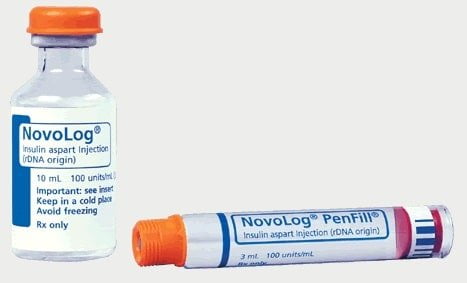
Some topics arrive wearing the language of precision. They come wrapped in terms like timing, action, response, and effects, as if the body were a schedule waiting to be managed. And yet the deeper feeling underneath all that tidy wording is usually something less tidy: the wish to know what happens next.
That may be why conversations around insulin, especially the kind of language attached to insulin aspart, feel larger than the terminology itself. The words suggest a sequence, a predictable arc, a beginning and middle and tapering end. But the human experience around any routine involving the body rarely feels so neatly divided. It feels more like watching weather move across a familiar place: partly expected, partly interpreted, never entirely abstract.
There is something especially modern about the urge to map every process in exact stages. We live by notifications, calendars, delivery windows, and estimated arrival times. So when health enters the picture, it is almost instinctive to ask for the same kind of tracking. When does it begin? When is the moment of strongest effect? How long does it stay part of the day? Even the questions reveal a cultural habit: we trust timelines because timelines make uncertainty feel smaller.
The comfort of named phases
A named phase can feel reassuring even before it explains anything. Onset. Peak. Duration. These are not just technical labels; they are emotional containers. They give shape to waiting. They turn a vague sense of vigilance into something with edges.
But everyday life has a way of softening those edges. Meals run late. Mornings begin differently than planned. Energy shifts. Stress changes the texture of a day. Routines that look orderly on paper become deeply human in practice. That tension is part of what makes the subject so quietly compelling. It sits at the intersection of structure and improvisation.
There is also a strange poetry in the word action. It sounds decisive, almost theatrical, as if something steps onto the stage and begins its role. Yet most bodily processes are not dramatic when lived from the inside. They are subtle, repetitive, and folded into ordinary moments: a kitchen light in the early morning, a bag packed in a hurry, a glance at the clock, a pause before dinner.
When language tries to hold uncertainty
The phrase side effects carries its own kind of cultural weight. It is a phrase people recognize instantly, even when they know very little else. It reflects a broader truth about modern care: we are always balancing hope and caution, relief and watchfulness, trust and interpretation. We want things to work, but we also want to understand the cost of that working.
That balancing act shapes more than treatment. It shapes identity. It changes how people talk about planning, spontaneity, discipline, and control. Health routines often get described in practical terms, but they also become little philosophies of daily life. They ask a person to live with timing while knowing timing is never the whole story.
In that sense, the fascination with these categories says as much about us as it does about medicine. We are a culture that wants transparency from everything. We expect apps to show progress bars, maps to show moving dots, and systems to offer real-time updates. Of course we reach for the same clarity when the subject is the body. Of course we want the internal world to narrate itself in clean intervals.
And still, something resists that simplification. The body is not a machine in the way our language sometimes suggests. It is closer to a relationship: responsive, familiar, surprising, sometimes cooperative, sometimes difficult to interpret. That is why reading even a straightforward discussion of timing and effects can feel less like studying a mechanism and more like encountering a philosophy of attention. The details matter, yes, but so does the mindset they invite.
A quieter kind of knowledge
What stands out most is not certainty but noticing. People build lives around noticing. They learn the mood of a day, the rhythm of a schedule, the subtle difference between expectation and experience. This kind of knowledge rarely sounds grand. It sounds like small adjustments, repeated observations, and private forms of literacy.
That may be the most overlooked part of topics like this: beneath the clinical vocabulary is a story about awareness. Not the dramatic awareness of crisis, but the steady awareness of living in partnership with routines that ask to be respected.
A brief look at this discussion of insulin aspart points toward that larger pattern. Not just the wish to define what happens, but the deeper wish to feel oriented inside it.
Maybe that is why these subjects linger. They are never only about compounds or categories. They are about time, anticipation, and the fragile human preference for knowing where we are in the story. We keep looking for clocks inside the body because clocks promise order. What we often find instead is something more demanding and more humane: attention, repetition, and a daily conversation between plan and reality.
https://canadianinsulin.com/articles/insulin-aspart-onset-peak-time-duration-action-side-effects/