We started talking about appetite like it was software
A quiet look at how a new language of hunger, bodies, and belonging slipped into everyday life.
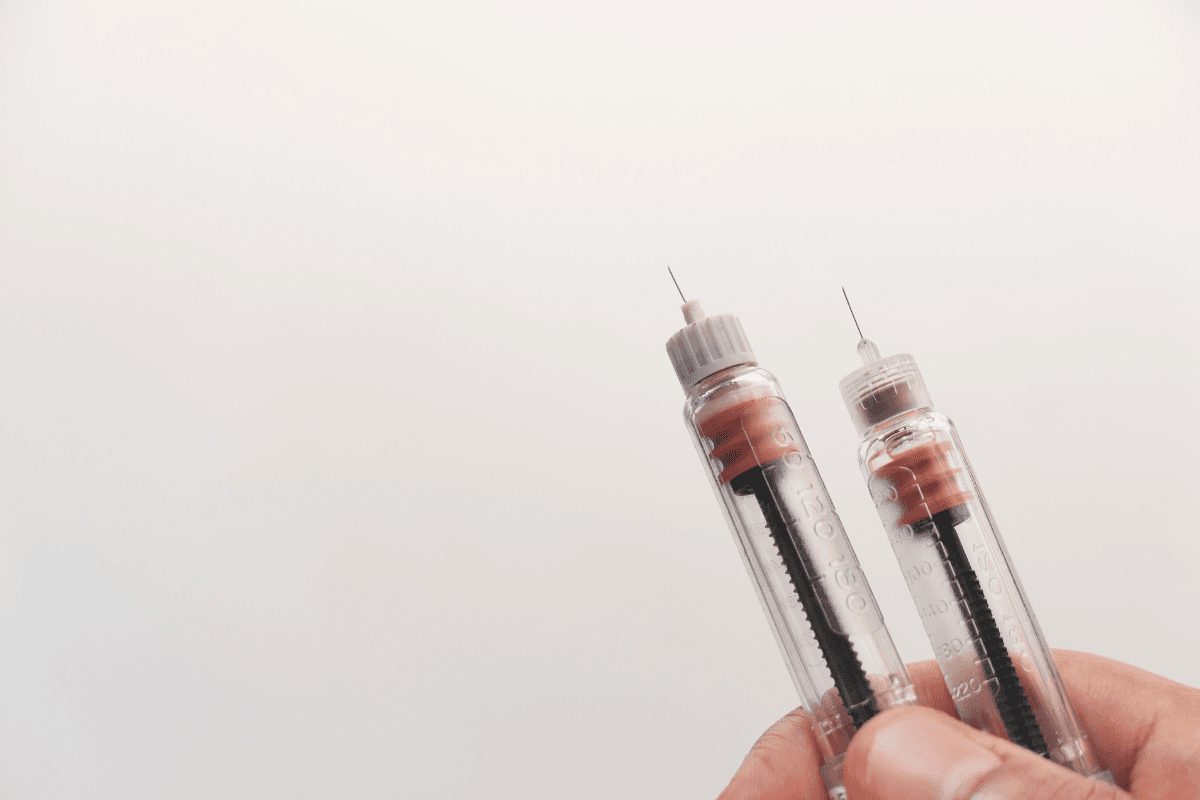
I keep noticing how our conversations have changed. In grocery aisles, group chats, office kitchens—there’s a new language for old feelings. Hunger has become a toggle. Cravings sound like a bug report. The body, once described with kitchen table metaphors, now speaks in update logs and patch notes.
Somewhere along the way, we started talking about appetite like it was software—something that could be optimized, muted, coded into compliance. It didn’t happen overnight. The shift threaded itself through headlines, whispers, before-and-after photo carousels, and a few well-timed cultural moments. By 2025, that language feels almost ordinary: clinical, sleek, slightly futuristic, like a device you can hold but never quite own.
There’s a certain neatness to it. The mess of eating—history, family, celebration, boredom—smoothed into adjustable settings. People swap stories about “response” and “tolerance” the way we once compared favorite recipes. Even casual talk at dinner arcs toward the same question: Is appetite fixed, or is it just a habit of thought? The table gets quieter. A salad stares back.
If you listen closely, you can hear two currents running at once. One is relief: the idea that the volume on hunger could be turned down, that the loudest noise in the room might finally quiet. The other is a lingering unease about what we lose when a human impulse becomes a project plan. In that tension, culture is busy doing what culture always does—turning private negotiations into shared scripts.
The scripts are everywhere. In pharmacies, the line forms early; in feeds, the glow of transformation is ubiquitous but rarely still. Offices develop a new etiquette: praise progress, avoid questions, never assume. At parties, someone tells a small, practiced story about learning to notice satiation for the first time. A friend nods, eyes a plate of cookies, and says they can’t remember the last time they wanted one. There is celebration in that sentence. There is also an echo.
What fascinates me is how appetite—often framed as wild and unruly—has become a site for order. Not discipline with its harsh edges, but an ambient, administrative calm. It’s the difference between tying a rope and flicking a switch. And like any switch, it tempts us to imagine a cleaner life, a simpler narrative, a bright interface where the variables line up.
But bodies are not dashboards. They are stories that revise themselves in the margins. They remember kitchens, birthdays, late-night cereal, the taste of anxiety, the rush of a new routine. They carry the weather of a life. No version control can capture that. When we speak in software, we gain precision and lose texture; we trade heat for structure. Maybe that’s what we want—maybe not forever, but for a while, when the noise is too loud to think.
We are not new to this. Every decade invents a dialect for the body. Calories once floated as units of virtue; steps became a moral rhythm; now, a quieter promise drifts through the language of appetite. It asks for less spectacle and more relief. It asks for a day where hunger is neither an enemy nor a destiny, but simply part of the room.
I keep returning to small scenes: a person relearning breakfast; a group chat where everyone speaks more gently; a restaurant where no one asks why the breadbasket remains untouched. Underneath the scripts, there’s a quieter shift in etiquette—permission to opt out of what once felt compulsory. The performance of eating, performed a little less.
And yet, the culture loves a ranking. Even here, where so much is tender, the reflex to name a winner reappears. We ask which approach, which timeline, which pathway. We chase certainty with the energy of a search bar. The desire makes sense; uncertainty is a loud room too. Still, part of me wonders if the more interesting question sits elsewhere: What happens to identity when appetite softens? What new rituals rise when the old cues fade?
You can see the answers taking shape at the edges—new lunches, new planning, new forms of celebration that are less about display and more about presence. People describe feeling like the day has more air in it. They describe walking past the break-room tray without a courtroom forming in their heads. They describe silence, and the silence sounds like rest.
Language always lags behind experience, then races ahead. As the conversation keeps evolving, some will keep speaking in the clean lines of tech; others will return to the pantry, to the stove, to the unruly comfort of appetite as weather. Both languages have something to offer. Both try to name a landscape that is more felt than understood.
For those who want to follow the clinical side of this cultural moment, the specifics live elsewhere—in careful overviews, comparative notes, and tidy categories. One thoughtful touchpoint can be found at the source that inspired this reflection, hosted by Canadian Insulin, which explores the topic in a more structured way: Best GLP-1 for Weight Loss in 2025: A Clinical Guide.
In the meantime, I’m paying attention to the subtler choreography: the way people set the table, the pauses between bites, the relief of quiet, the leftover rituals we keep because they feel like home. Maybe the point isn’t to optimize appetite at all, but to learn how to hear ourselves when the room finally goes still.
https://canadianinsulin.com/articles/best-glp-1-for-weight-loss-in-2025-top-picks/