When a Kitchen Staple Starts Sounding Like a Promise
Some ingredients drift from pantry shelves into bigger conversations, carrying hope, folklore, and a little modern anxiety with them.
There is something fascinating about the moment an ordinary ingredient stops being ordinary.
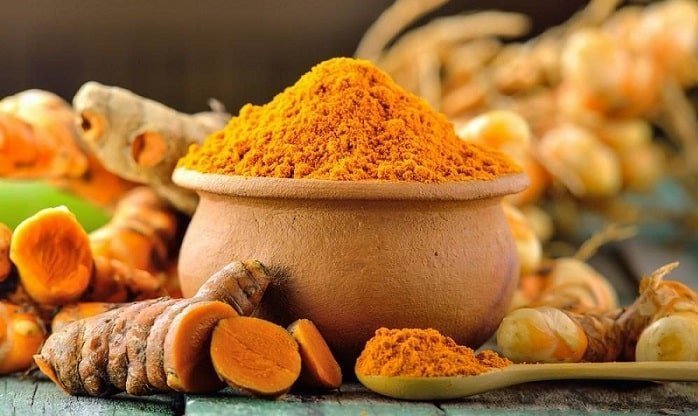
One day it is simply part of dinner, staining a spoon gold and leaving its warm, earthy trace in the kitchen air. The next, it is circulating through conversations that sound bigger than food. It appears in wellness routines, in family group chats, in quiet searches late at night. Turmeric has become one of those ingredients that seems to live two lives at once: one in the spice jar, and one in the imagination.
That second life says a lot about how people relate to health now.
More Than an Ingredient
For many people, turmeric carries a kind of inherited familiarity. It belongs to recipes, household habits, and traditions that were never introduced as trends because they were simply woven into daily life. Yet once a familiar ingredient enters the language of modern health culture, it changes shape. It begins to sound less like flavor and more like possibility.
That shift is especially noticeable when the conversation moves toward long-term conditions such as diabetes. The tone changes. Curiosity becomes more loaded. The ingredient is no longer just admired for color or taste; it becomes surrounded by expectation. People start looking at it not as a spice but as a symbol of control, caution, optimism, and self-management.
And that is where the story becomes less about turmeric itself and more about us.
The Search for Gentle Answers
There is a reason certain pantry items keep reappearing in health conversations. They feel approachable. They come from everyday life rather than a distant laboratory. They suggest that maybe the things already sitting close to us might matter in ways we overlooked.
That idea is emotionally powerful. It softens the hard edges of modern health language. It gives people something familiar to hold onto when much else feels technical, monitored, or uncertain.
In that sense, the appeal of turmeric is not difficult to understand. It represents a gentler category of attention. Not a miracle, not a machine, not a dramatic intervention—just something humble enough to seem compatible with ordinary living.
A recent discussion at Canadian Insulin reflects how often this curiosity surfaces, especially when everyday ingredients begin to intersect with bigger questions about routine and wellbeing.
Between Tradition and Trend
What makes turmeric particularly interesting is the way it travels between worlds.
It belongs to older food traditions, but it also fits neatly into the sleek packaging of contemporary wellness. It can appear in a simmering pot or in a lifestyle post framed by neutral countertops and morning light. It feels ancient and newly marketed at the same time.
That dual identity creates a subtle tension. When something has a long cultural life, people often treat that history as proof of something larger. At the same time, modern audiences tend to want evidence, clarity, and firm boundaries. So the ingredient gets pulled in two directions: toward reverence and toward scrutiny.
Neither instinct is surprising. One comes from memory; the other from modern habit. Together, they shape the strange public life of familiar foods.
What People Are Really Asking
Often, when people talk about ingredients like turmeric in the context of diabetes, they are not only asking about the ingredient. They are also asking quieter questions beneath it.
Can everyday choices still feel meaningful?
Can care look domestic instead of clinical?
Can something simple belong in a conversation that otherwise feels complex?
Those questions matter because they reveal the emotional layer beneath the topic. Food, after all, is never just fuel. It is identity, routine, comfort, memory, discipline, and sometimes hope. When a single ingredient gets elevated into a health conversation, all of that comes with it.
This is why the public imagination rarely treats these topics neutrally. People project onto them. They read stories into them. A spice becomes a shorthand for effort. A daily habit becomes a sign of responsibility. A bright yellow powder begins to carry the weight of modern self-optimization.
The Allure of the Almost-Ordinary
There is also something uniquely compelling about substances that are almost ordinary.
Turmeric is not obscure. Most people have heard of it, seen it, or tasted it. But it still retains enough mystery to feel special. That combination is potent. If something is too common, it feels unremarkable. If it is too unfamiliar, it feels inaccessible. But the almost-ordinary occupies a sweet spot: known enough to trust, intriguing enough to wonder about.
That may explain why conversations around it keep resurfacing. Not because the world suddenly discovered color in a root, but because people are always drawn to objects that sit at the border between the familiar and the meaningful.
A Small Reflection on Modern Health Culture
Perhaps the most revealing part of all this is not whether turmeric deserves attention. It is the way attention gathers around it.
We live in a time when people want answers that feel personal, manageable, and woven into life rather than bolted onto it. They are drawn to things that suggest participation rather than passivity. Even the act of wondering about an ingredient can feel like a small reclaiming of agency.
That does not make the conversation simple. It makes it human.
And maybe that is why turmeric keeps showing up—not only in recipes, but in thought. It offers a language that feels softer than medicine and more intimate than data. It reminds people that the boundary between kitchen and care has never been entirely fixed.
Sometimes an ingredient remains just an ingredient. And sometimes it becomes a mirror for everything people hope everyday life can still hold.