When a Label Carries More Than a Name
Some products arrive as objects, others as symbols. This is about the quiet weight a medical label can hold before anyone says a word.
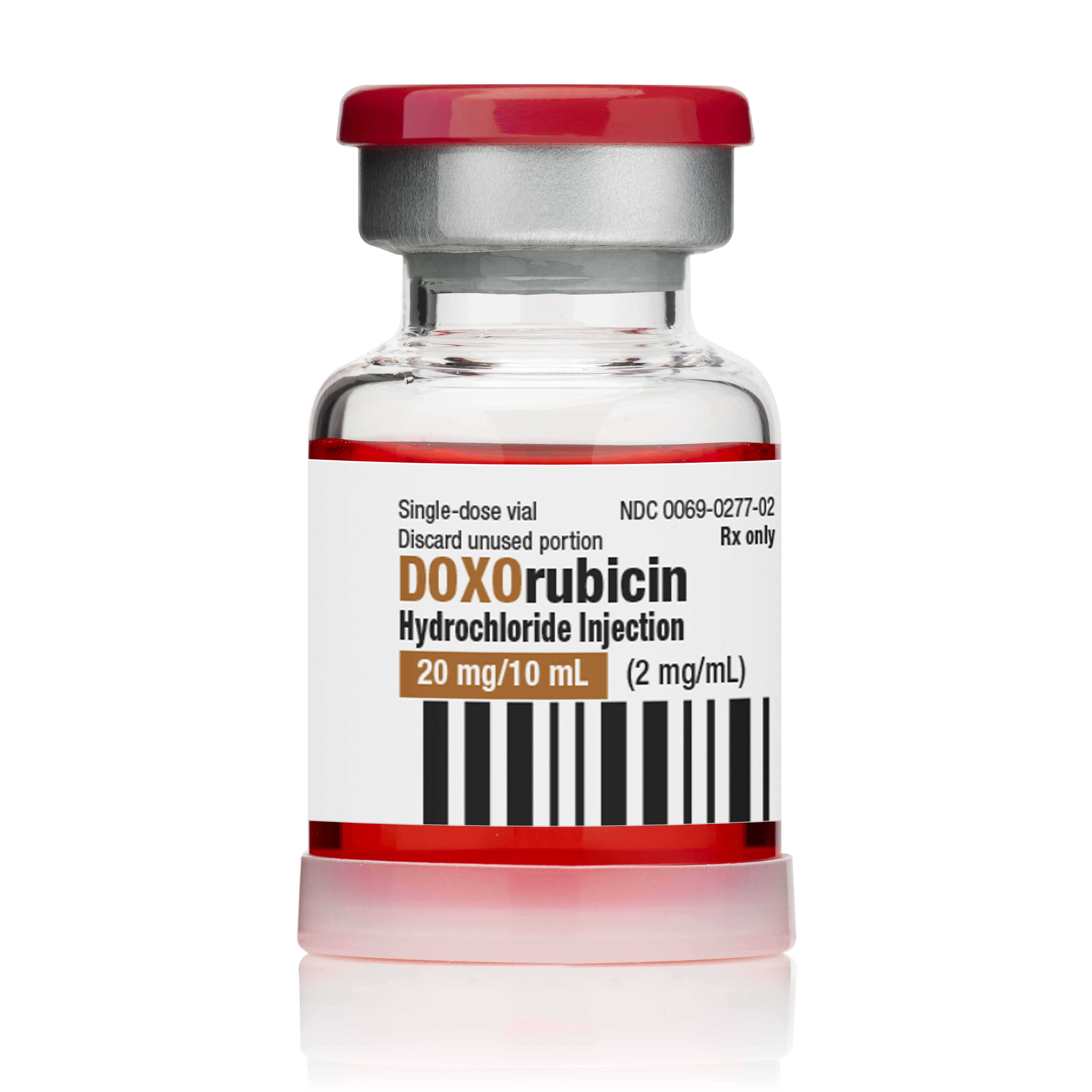
There are certain names that do not behave like ordinary names. They arrive with a kind of gravity, even when printed on something as plain as a vial, a box, a label, a shelf listing. You do not need a detailed explanation to sense that the object belongs to a world larger than itself. It is never just packaging. It is context, memory, procedure, waiting, and the strange modern habit of trying to compress enormous human experiences into neat little containers.
A product page for doxorubicin may look, at first glance, like one more entry in the endless catalog of contemporary healthcare. But names like this tend to resist the flatness of catalogs. They pull in the atmosphere around them. They remind us that medicine, in the public imagination, is not only about chemistry or logistics. It is also about language, ritual, and the uneasy way people learn to live alongside words they never expected to know.
The object and the aura
A vial is a practical thing. Small, sealed, designed to be handled with precision rather than sentiment. Yet the cultural life of a vial is surprisingly emotional. It stands at the intersection of two very different impulses: the desire to make care orderly and the reality that illness is anything but orderly.
That tension is part of what makes medical objects feel so loaded. A coffee mug can simply be a mug. A notebook can remain just paper. But a medicine container rarely gets to be neutral in the mind. It gathers stories before it is even opened. For some people, it suggests expertise and systems. For others, it suggests long days, fluorescent light, careful conversations, and the quiet choreography of appointments.
The label, then, is doing more than identifying contents. It is standing in for a whole landscape.
Why certain words linger
Most of us move through daily life surrounded by branded language, product language, transactional language. We are used to names washing over us without consequence. Then there are exceptions: names that seem to stop the room for a second.
Part of that reaction comes from unfamiliarity. Technical words often feel distant until they become personal. Once they do, they change category completely. A term that once sounded abstract becomes charged, almost intimate. Not because the word itself has changed, but because the listener has.
That shift says something revealing about how people process healthcare. Very little of it is purely informational. People do not encounter these names as blank readers. They encounter them as sons, daughters, partners, friends, patients, caregivers, or simply as people trying to make emotional sense of a system built on precision.
In that way, the label on a vial becomes a meeting point between private feeling and institutional language.
The quiet theatre of medical design
There is also something striking about the aesthetics of medical products. They are often stripped down, almost severe. No softness, no unnecessary flourish, no invitation to romanticize what they are for. And yet that restraint creates its own kind of symbolism. The plainness can feel reassuring or stark, depending on the day and the person looking at it.
We tend to think design only matters in lifestyle spaces, but healthcare objects are full of design choices that shape emotion. Typography, color, spacing, size, all of it subtly communicates seriousness, control, caution, procedure. Even when we do not consciously notice it, we respond.
That is why some medical products seem to carry a presence out of proportion to their size. They are not visually dramatic, but they are culturally dense. They represent systems of knowledge, care pathways, institutional trust, and all the uncertainty that persists around them.
More than inventory
There is a temptation in digital life to treat everything as inventory. Scroll, compare, click, move on. But some categories resist being flattened into commerce. They retain a human charge.
A page featuring a medical item sits in a different emotional register from a page selling headphones or kitchen tools. Even when the layout is similar, the feeling is not. The reader brings different stakes, different moods, different silences. Behind every sterile product image is the reminder that healthcare is never only about products. It is about people trying to navigate moments they did not choose.
That may be why even a simple listing can feel unexpectedly reflective. It reminds us how much of modern life depends on translation: from expert terminology into ordinary language, from institutional processes into personal experience, from fear into routine, and sometimes back again.
A small container, a large story
What stands out, in the end, is not just the name or the vial, but the way such objects reveal the limits of surface reading. Some things look small because they are designed to be efficient. But efficiency is not the same as insignificance.
A labeled vial can hold the full paradox of healthcare culture: highly technical, deeply human; visually minimal, emotionally expansive; ordinary in one setting, life-altering in another.
And perhaps that is why certain names linger in the mind. Not because we are attached to the object itself, but because we recognize what gathers around it. A label, a container, a listing online, and suddenly the world behind it comes into view.