When a Name Becomes a Conversation
Some products stay on the shelf; others drift into language, identity, and the way people talk about change.
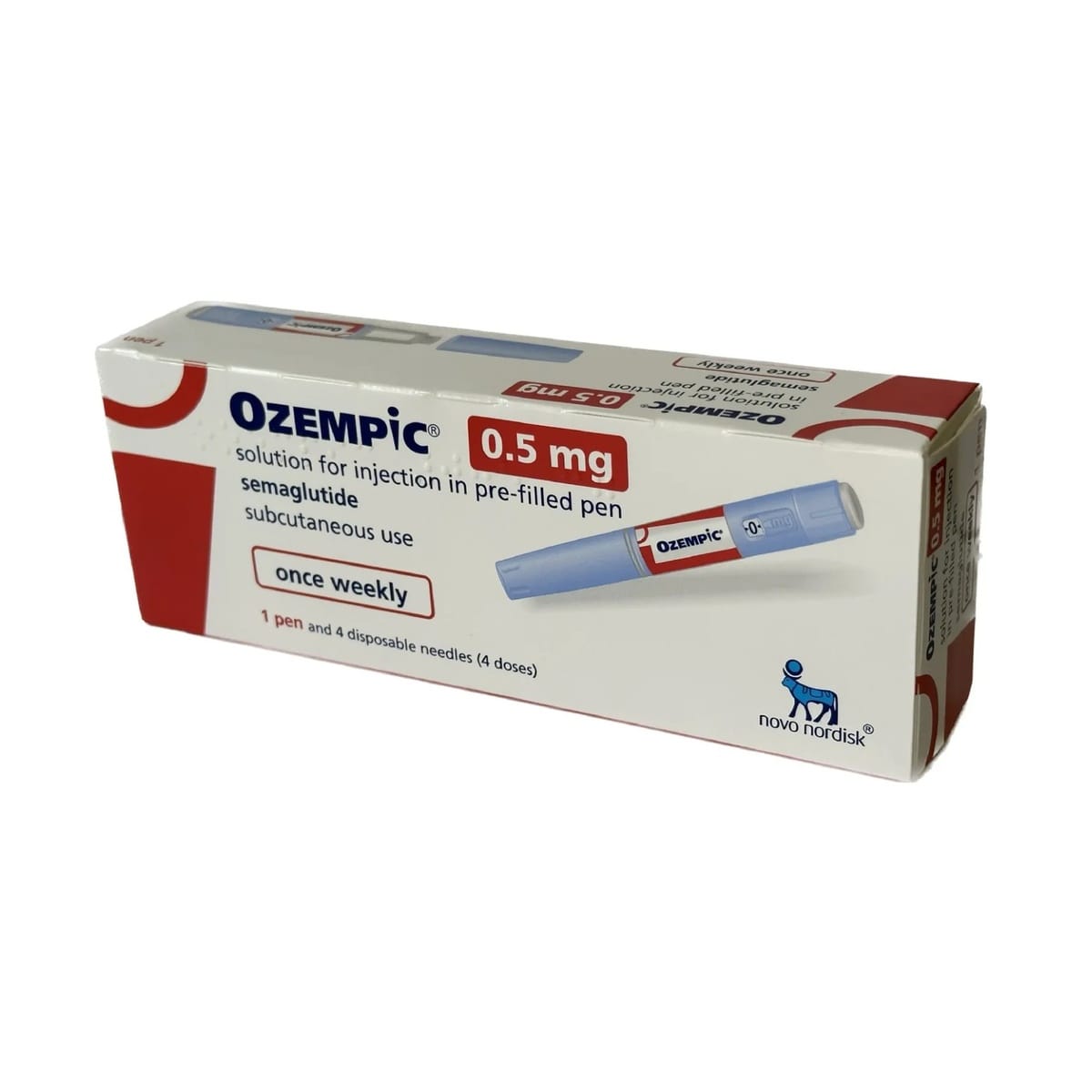
Some names begin as labels and then quietly turn into shorthand for an entire mood. They leave the packaging behind and enter conversation, where they pick up a different kind of meaning. That shift is always fascinating, because it says less about the item itself and more about the era around it.
Lately, one of those names has been Ozempic.
Not just as a product people recognize, but as a cultural signal. It shows up in headlines, jokes, whispered recommendations, raised eyebrows, and the sort of casual commentary that travels faster than understanding ever does. In that way, it feels less like a single thing and more like a mirror held up to modern life.
The speed of a name
There is something uniquely contemporary about how quickly a word can move from specialist spaces into everyday chatter. One week it sounds niche, the next it is sitting beside celebrity gossip, workplace small talk, and social media confessionals. A name starts in one context, then gets stretched across many others until it means ambition, image, discipline, suspicion, aspiration, and anxiety all at once.
That kind of expansion is rarely tidy. Public language likes shortcuts. It prefers symbols over nuance, mood over detail. So when a product name becomes part of the general vocabulary, people do what people always do: they load it with stories.
Some of those stories are about transformation. Some are about pressure. Some are about the uneasy feeling that the body, in modern culture, is never allowed to be just a body. It must always be a project, a statement, a before-and-after waiting to happen.
More than the object itself
What makes a name like this so sticky is that it lands in an already crowded emotional space. We live in a time obsessed with optimization, but also tired of it. We are told to improve constantly, then criticized for caring too much about improvement. We celebrate convenience, yet admire struggle. We want visible results, but still cling to old ideas about what counts as effort.
That contradiction gives certain products an outsized symbolic life. They stop being discussed only on their own terms and become placeholders in much bigger arguments. Suddenly people are not only talking about a pen, a prescription, or a routine. They are talking about fairness, vanity, access, secrecy, self-invention, and the strange public theater of private choices.
A simple retail page, like the one for Ozempic, can seem almost calm compared with the noise that gathers around the name elsewhere. That contrast says a lot. The object remains specific. The conversation around it does not.
The celebrity effect, and the ordinary one
Part of the fascination comes from how celebrity culture now acts like a giant amplifier for everything. Once a name is linked, rightly or wrongly, to image transformation, it becomes instantly legible to the public. It enters the same ecosystem as filters, routines, private trainers, expensive wellness habits, and the eternal promise of becoming a cleaner, sharper version of oneself.
But the story does not stay in celebrity territory. It spills into ordinary life, where people bring their own interpretations. In everyday conversation, a name like this can signal hope to one person, discomfort to another, and skepticism to someone else entirely. That range matters. It reminds us that cultural meaning is never singular.
One person hears innovation. Another hears pressure. Another hears a quiet confession about how exhausting it can be to live under constant visual scrutiny.
Why certain words linger
Some product names fade because they remain purely transactional. Others linger because they touch a nerve people were already feeling. The names that endure tend to arrive at the intersection of desire and unease. They become memorable not only because they are talked about, but because they gather all the contradictions people do not know how to resolve.
That is why the public conversation can feel so charged even when individuals are speaking casually. Beneath the surface are older questions: How much change is enough? What counts as authenticity? When does self-care become self-surveillance? What does choice even mean when beauty standards and personal agency keep getting tangled together?
These are not questions any single product created. But certain names become the doorway through which those questions enter the room.
A word carrying more than it should
There is also something slightly unfair about what happens when a single name absorbs an entire cultural debate. It becomes a vessel for projections. People attach judgment, fantasy, admiration, and critique, often without separating the real thing from the story they prefer to tell about it.
And maybe that is the clearest sign that a product has crossed into the realm of symbolism: when the name starts doing social work far beyond its original purpose.
That is what makes the phenomenon interesting. Not the usual drama of trend cycles, but the way language reveals what people are preoccupied with. A name becomes popular, then polarizing, then familiar. Before long, it is no longer just about what it is. It is about what the culture sees when it hears it.
In the end, that may be why certain names feel impossible to discuss neutrally. They arrive already wrapped in expectation. And once that happens, the conversation is never really about a single thing anymore.
https://canadianinsulin.com/product/ozempic-semaglutide-pens/