When a Name Changes the Shape of Worry
Some health words arrive like thunder. Others appear quietly, then rearrange how people think about uncertainty, attention, and the stories bodies tell.
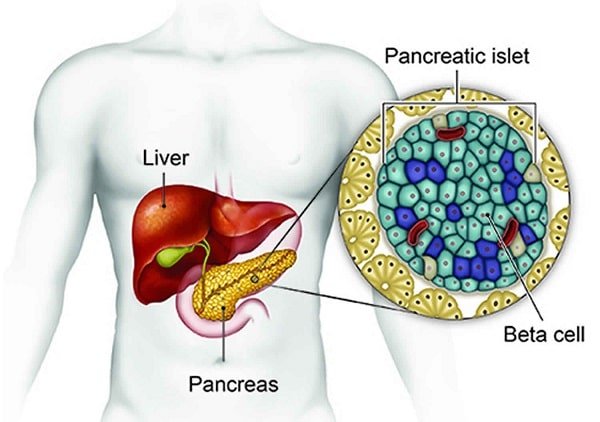
Some medical words enter a room with a lot of noise. Others arrive quietly, almost politely, and then seem to alter the air. They do not just name a condition. They give form to a period of confusion that may have previously felt scattered, inconvenient, or easy to dismiss.
That is part of what makes lesser-known diagnoses so emotionally interesting. Before there is a name, there is often only a string of moments: feeling unlike oneself, noticing a pattern, brushing it off, circling back, wondering whether ordinary stress can explain one more strange day. The modern health experience is full of this suspended state, where observation comes before understanding and language lags behind sensation.
The strange power of naming
A diagnosis, even from a distance, has a cultural effect. It turns an invisible private puzzle into something shareable. Suddenly there is a word to search, repeat, hesitate over, or say out loud. Not because the word makes the experience simpler, but because it creates edges around what had been shapeless.
That may be why people are drawn to topics like this one. Not always from fear, and not always from urgency. Sometimes from recognition. Sometimes from the uncomfortable realization that the body has its own timing and its own methods of getting attention.
In everyday life, people are trained to be practical about discomfort. Drink more water. Get more sleep. Slow down. Take a break from screens. These explanations are not foolish; they are part of how we keep moving through busy weeks. But there is also a cultural habit of under-reading the body until something becomes impossible to ignore. We admire resilience so much that we sometimes confuse it with postponement.
The gap between feeling and explanation
What makes health uncertainty so unsettling is not always pain or disruption. Often it is inconsistency. A good day interrupts a bad one. A calm morning makes yesterday seem exaggerated. An ordinary afternoon convinces someone they were overthinking things all along. Then the pattern returns.
This is where modern life can become oddly theatrical. We perform normalcy for ourselves. We narrate our own symptoms away. We make deals with discomfort: if it disappears by tomorrow, it did not count. If it only happens occasionally, it must not mean much. If no one else can see it, maybe it is just mood, stress, routine, weather, work.
And yet the body keeps leaving little notes.
A recent discussion of insulinoma hints at the emotional weight carried by a name people may not expect to encounter, let alone need to understand.
Why obscure conditions draw attention
There is something quietly arresting about a diagnosis most people have never heard in casual conversation. It reminds us that health is not only made of the familiar words. Public awareness tends to orbit a handful of common terms, while countless other experiences remain outside the usual vocabulary of wellness culture.
That imbalance matters. Not because everyone needs to memorize a wider medical dictionary, but because unfamiliarity changes how people interpret themselves. If there is no common script for what is happening, the experience can feel lonelier. It can also feel strangely unreal, as though recognition depends on popularity.
But the body does not care whether a condition is socially recognizable. It does not wait for branding. It does not simplify itself to fit the terms people use at dinner parties or in wellness podcasts. It moves according to deeper rules, and sometimes those rules become visible only after a long stretch of uncertainty.
A different kind of attention
There is a quiet shift that happens when someone begins paying closer attention to ordinary signals. Days become more textured. The small details matter more. Timing matters more. The difference between a passing feeling and a repeating pattern becomes more noticeable.
This kind of attention is not dramatic. It is almost literary. It asks a person to reread their own routine and notice what had blended into the background. Not every mystery turns into a major answer, of course. But the act of noticing has its own seriousness. It is a way of taking experience out of the realm of vague annoyance and into the realm of meaning.
That may be one reason health topics continue to resonate far beyond clinical settings. They are never only about the body. They are also about interpretation, trust, memory, and the uneasy gap between what can be felt and what can be explained.
More than a label
When a difficult or unfamiliar term appears, people often imagine the main story begins there. In reality, the larger story may be the one that came before: the period of uncertainty, the self-questioning, the effort to keep life normal while something subtle refuses to stay invisible.
A name does not erase that period. It reorganizes it.
And perhaps that is why certain topics linger in the mind even for readers who are only encountering them from a distance. They speak to a universal tension: the wish for reassurance, the fear of being wrong, and the relief of finally having language for what once felt impossible to pin down.
Some words arrive with fanfare. Others arrive like a light turning on in a room you had learned to navigate in the dark.
https://canadianinsulin.com/articles/insulinoma-causes-symptoms-diagnosis-and-treatment/