When careful plans meet ordinary days
A week on paper can look neat; real life rarely does. Somewhere between intention and appetite, a more human rhythm appears.
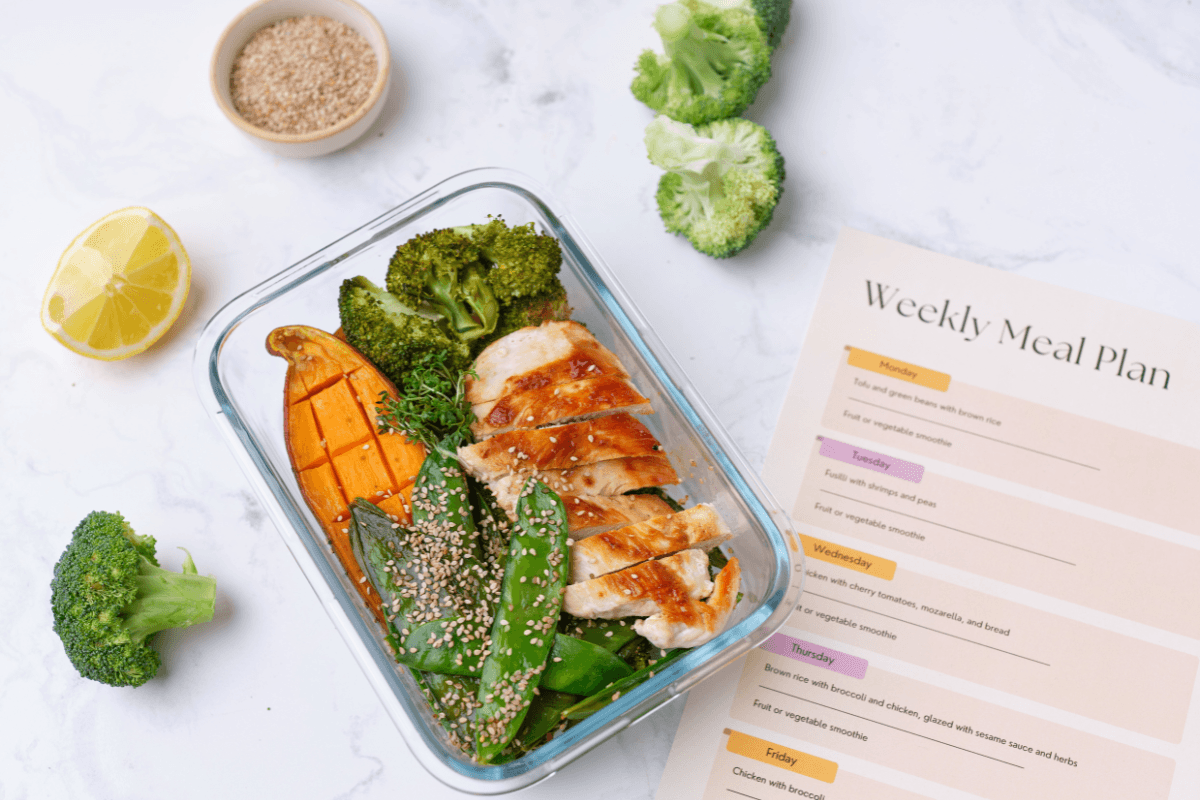
There is something almost theatrical about the phrase meal plan. It arrives with the promise of order: boxes to tick, containers to stack, a week arranged into calm little decisions. And then real life enters from stage left carrying a late morning, a strange craving, a missed grocery run, a family dinner that runs long, and a body that refuses to behave like a spreadsheet.
Pregnancy already changes the atmosphere of a day. Time feels different. Hunger feels different. Even familiar foods can seem to belong to a previous version of yourself. Add the pressure of needing to pay closer attention, and eating can stop feeling casual in an instant. It becomes loaded with meaning, with vigilance, with the quiet wish to “get it right.”
That is why the most interesting part of any weeklong eating framework is not the plan itself. It is the phrase hidden underneath it: in real life. That small qualifier says more than the menu ever could.
The fantasy of the perfect week
A perfect week is one of modern life’s favorite myths. It begins on a Monday with clear containers, a fresh notepad, and the kind of optimism that usually belongs to stationery commercials. In that fantasy, every meal is prepared in advance, every snack appears at the ideal moment, and nobody is suddenly repulsed by yesterday’s “safe” food.
But real weeks are stitched together from interruptions. Someone gets tired. Someone loses interest. Someone wants toast at an odd hour because toast is the only thing that sounds remotely possible. The body can be cooperative one day and cryptic the next. A plan that cannot bend under those conditions is less of a plan than a performance.
That may be why so many people are drawn not to rigid food rules but to versions that sound survivable. Not glamorous. Not punitive. Just possible.
Ordinary food has a different kind of dignity
There is a quiet comfort in the idea that useful eating does not have to look spectacular. It can look like a breakfast assembled half-awake. It can look like repetition. It can look like discovering that the most dependable meals are not the ones that photograph well, but the ones that still make sense on a tired Thursday.
In that way, a practical week of eating reflects something larger about care. Care is often imagined as beautiful, composed, almost ceremonial. Yet most of the time it is plain. It is remembering. It is adjusting. It is noticing what tends to work and returning to it without fanfare.
That is what makes the topic feel bigger than food. A realistic eating rhythm during pregnancy is partly about nourishment, yes, but it is also about expectations. About stepping away from the polished image of self-management and accepting that some forms of stability are intentionally unremarkable.
I found myself thinking about that while reading a piece on making a week of eating feel more livable during pregnancy. The details matter less here than the underlying mood: not perfection, but usability.
The emotional weather around a plate
Food is never just food when people are worried. It becomes a conversation with the future. It becomes a measurement of responsibility. It becomes easy to attach moral weight to every choice, as if each meal were a verdict rather than a moment.
But the people who actually live inside these routines know something outsiders often miss: the emotional weather matters. A meal that is technically “ideal” but impossible to maintain carries a different energy than one that feels steady, familiar, and kind enough to repeat. Sustainability is not a glamorous word, but in everyday life it often matters more than intensity.
There is also the social side of eating, which neat plans rarely capture. Meals happen in kitchens shared with other people’s preferences, budgets, traditions, and schedules. They happen at baby showers, family tables, drive-through windows, office desks, and in the strange gap between errands. To pretend otherwise is to confuse life with a controlled setting.
Real life is made of edits
Maybe that is the hidden wisdom in any so-called workable week: it understands that living well often means editing, not obeying. A person notices patterns. Certain combinations feel steadier. Certain times of day require more forethought. Certain foods lose their appeal without warning. Over time, a rhythm forms—not perfect, not universal, but lived-in.
This feels especially true in seasons when the body is asking to be listened to more carefully. The answer is rarely a grand reinvention. More often it is a series of modest accommodations. A few dependable meals. A little less drama around deviation. An acceptance that repetition can be reassuring rather than dull.
By the end, the most humane version of a “plan” may simply be one that leaves room for being a person. Not an ideal patient, not a flawless planner, not the protagonist of a wellness montage—just a person moving through a week with changing energy, changing appetite, and the understandable desire for food to feel manageable again.
And perhaps that is what works in real life has always meant. Not a promise that everything becomes easy, but a refusal to build the whole week around impossible standards. In a culture that often mistakes strictness for seriousness, there is something quietly radical about choosing a rhythm that can actually be lived.
https://medispress.com/health-hub/7-day-meal-plan-for-gestational-diabetes-that-works/