When More Starts to Sound Like a Promise
Some names arrive with a built-in sense of upgrade, and that changes how we notice them before we know much else.
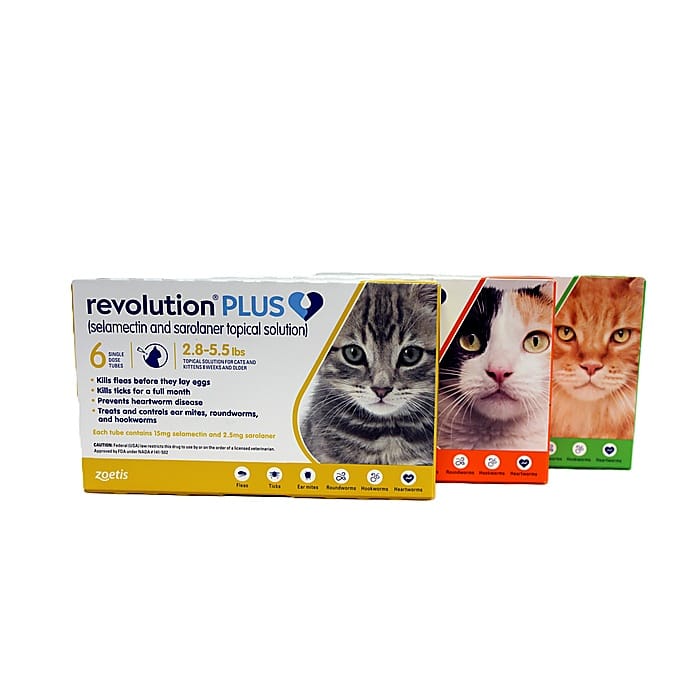
There is something fascinating about a name that arrives already leaning forward.
Not just a label, but a little nudge. A suggestion. A mood. Revolution Plus is the kind of phrase that doesn’t merely identify a thing; it stages an expectation before anything else has entered the room. It belongs to that modern category of names that seem to carry their own soundtrack: brighter, quicker, improved, somehow one step beyond whatever came before.
That tiny word, plus, does a surprising amount of cultural work.
We have trained ourselves to read it as reassurance. More than enough. Better than standard. Not basic, not ordinary, not left behind. In everyday life, the plus sign has drifted far beyond mathematics and become a symbol of emotional cushioning. It tells us we will not just receive the thing itself, but a version with edges softened, possibilities widened, maybe even worries reduced. Whether we are looking at a service, a subscription, a device, or something more personal, plus has become shorthand for the upgraded self we imagine just around the corner.
The romance of the stronger name
There’s a reason certain product names linger in memory while others vanish almost instantly. Some are functional and fade into the background. Others arrive with cinematic ambition. Revolution is one of those words that refuses to sit quietly. It implies movement, turning, change at scale. It belongs to history books, trend pieces, and late-night declarations about starting fresh on a Monday.
Add plus, and the tone shifts again. It no longer sounds like change alone. It sounds packaged change, polished change, change with a little extra glow around it.
That is what makes names like this so interesting. They often tell us less about the object itself and more about the emotional atmosphere we now expect from almost everything we bring into our routines. We no longer want plain usefulness. We want usefulness wrapped in momentum. We want relief from friction, but we also want the feeling that we are making a smart, elevated choice.
Expectation is part of the experience
Before anyone learns details, a title like this has already done its work.
It creates a narrative in advance. Something called Revolution Plus doesn’t sound neutral; it sounds like it enters with confidence. It suggests that the old version of life, whatever that means in context, may have been incomplete. And the new version will not simply function. It will feel like progress.
That doesn’t mean the promise is false. It means the promise begins in language.
We often think of names as decorative, but they are closer to stage lighting. They direct attention. They shape the first interpretation. They invite us to notice one thing over another. A plain, literal title asks to be evaluated. A title like this asks to be anticipated.
In that sense, the name becomes part of the object’s identity long before direct experience has a chance to speak.
Why we keep choosing words like this
Part of it is cultural rhythm. We live among endless versions: premium, ultra, max, pro, advanced, complete. Each one whispers that ordinary life should be optimized, and that ordinary solutions are somehow incomplete without a linguistic flourish attached.
But revolution is stronger than most. It is not content with improvement. It gestures toward transformation.
That’s probably why it catches the eye. It mirrors a broader habit in modern life: we don’t simply want tools; we want turning points. We don’t just want maintenance; we want renewal. Even in the smallest decisions, we are drawn to the language of big shifts. The naming becomes a kind of emotional shorthand for hope.
And hope, even in branded form, is rarely a small force.
The myth of “more”
There is also a softer truth hiding here. Sometimes plus doesn’t mean excess. Sometimes it simply means comfort. It gives a sense that something extra has been considered on our behalf, that we won’t be left managing the missing piece ourselves.
That may be why these names feel persuasive. They are not only louder; they are subtly protective. They say: this has thought ahead for you.
Whether that impression comes from design, marketing, or our own longing for ease almost doesn’t matter. The perception itself is part of the experience. We move through the world reading signals, and language is one of the strongest signals there is.
A brief listing for Revolution Plus is enough to show how much a name can carry before details even begin.
A small sign of a bigger habit
Maybe that is the real story behind names like this. Not what they are, exactly, but what they reveal about us.
We are living in an era deeply attached to the feeling of upgrade. We like the suggestion that life can be smoothed, sharpened, simplified, elevated. We respond to names that sound like momentum because many people are tired of drag. We read plus and imagine less compromise. We read revolution and imagine a cleaner turn.
It’s a lot to ask of two words, and yet two words often do exactly that work.
Not by explaining. By implying.
And sometimes implication is the most powerful style of promise there is.