When Precision Starts to Look Like Simplicity
A small device can carry a surprisingly large story about routine, trust, and the quiet design of modern health habits.
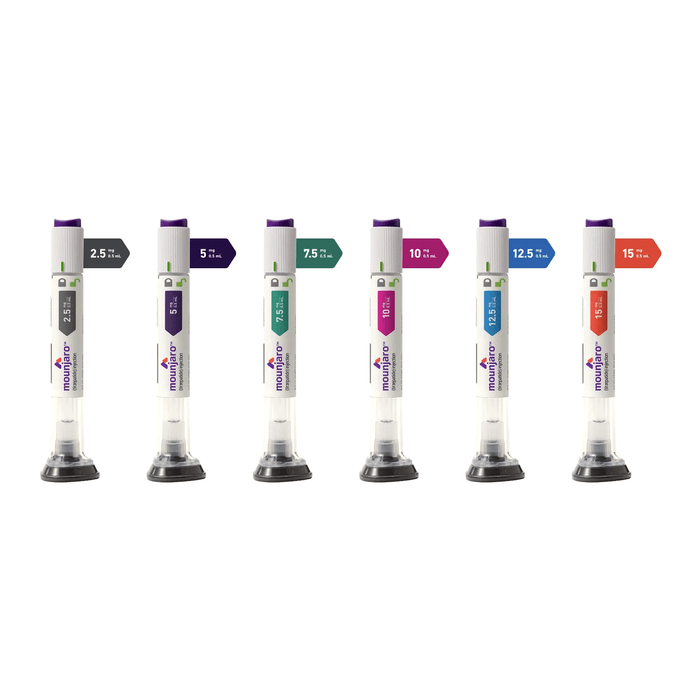
Some objects arrive in life with a kind of theatrical presence. Others slip in quietly, almost politely, and change the mood of a room without seeming to ask for attention. A pre-filled pen belongs to the second category. It is not dramatic in the way people often expect health-related products to be. It is compact, deliberate, almost understated. And that understatement may be the most interesting thing about it.
For a long time, the visual language of personal health leaned heavily on complexity. Bottles, labels, compartments, instructions folded into impossible rectangles — the whole experience seemed to suggest that seriousness had to look busy. A pen-shaped device disrupts that expectation. It takes something that many people imagine as overwhelming and gives it the outline of an everyday tool. Not casual, exactly. But familiar.
That familiarity matters more than it first appears.
The shape of reassurance
There is something culturally revealing about the way modern devices are designed to reduce friction. We live in an era obsessed with making things smoother: payment without cash, music without discs, notes without paper. So it is not surprising that personal care products have also absorbed the language of convenience. Still, when that design philosophy reaches something intimate, it feels different. The object is no longer just efficient; it becomes part of how a person understands their own routine.
A pre-filled pen suggests preparation before the moment arrives. It implies that someone, somewhere, has already thought through the steps and tried to remove some of the visible clutter. That can feel oddly emotional. Not sentimental, but considerate. The device says: this does not have to look harder than it already feels.
And in a culture where people are often handed far too many tiny burdens to manage on their own, that idea carries weight.
An object that changes the atmosphere
The interesting thing about tools like this is that they do more than perform a function. They shape atmosphere. They can make a kitchen counter feel more clinical or more manageable. They can turn a drawer into a private ritual space. They can alter how someone thinks about consistency — not as a grand act of discipline, but as a quieter practice of showing up.
That shift is subtle, yet powerful. We tend to imagine important changes as loud ones: announcements, milestones, dramatic before-and-after stories. But many of the most meaningful changes in ordinary life happen through repetition and design. A well-made object can lower the emotional volume around something that once felt intimidating.
This is partly why product pages for items like a pre-filled pen can attract attention beyond simple shopping intent. People are often looking at more than the product. They are reading a mood, a possibility, a version of life in which routine becomes a little less jagged.
The promise and the performance
Of course, there is also a tension here. Simplicity, especially modern simplicity, can be persuasive to the point of becoming its own kind of performance. Sleek design has a way of borrowing trust. When something looks clear and streamlined, people may feel that everything around it has become clearer too. But life rarely cooperates so neatly.
That does not make the object misleading. It simply makes it human. We place hopes onto design all the time. We buy notebooks imagining a better future self. We reorganize shelves as if the right containers might fix our mornings. We love the idea that form can gently instruct feeling.
Sometimes it does. Sometimes it just makes the day a little easier to enter.
That may be enough.
Why these objects stay in the mind
Part of what makes a pen-format product memorable is that it crosses categories. It is medical-adjacent, yes, but it also belongs to the world of stationery, tools, portability, and personal objects. It sits at an intersection between precision and domestic life. You can picture it in a practical drawer beside batteries and receipts, or in a carefully arranged shelf where routine has been given its own quiet dignity.
This blending of worlds says something about the present moment. More and more, the things once hidden away in specialist settings are being redesigned for ordinary life. That shift changes the emotional story. It suggests that care does not only happen in official places. It can happen in the in-between spaces: before work, after dinner, while the house is still, while the day is trying to gather itself.
The result is not glamour. It is something more useful: normalization.
And maybe that is why these objects can feel strangely significant. Not because they ask to be admired, but because they reflect a broader wish many people carry now — the wish for complex parts of life to become more livable, more legible, less ceremonious.
In that sense, the quietest design choice may also be the loudest cultural statement: simplicity is no longer treated as a luxury. It is treated as relief.
https://canadianinsulin.com/product/mounjaro-kwikpen-pre-filled-pen/