When Relief Becomes a Matter of Texture
Two familiar names, one larger question: why choices around comfort so often feel emotional before they feel practical.
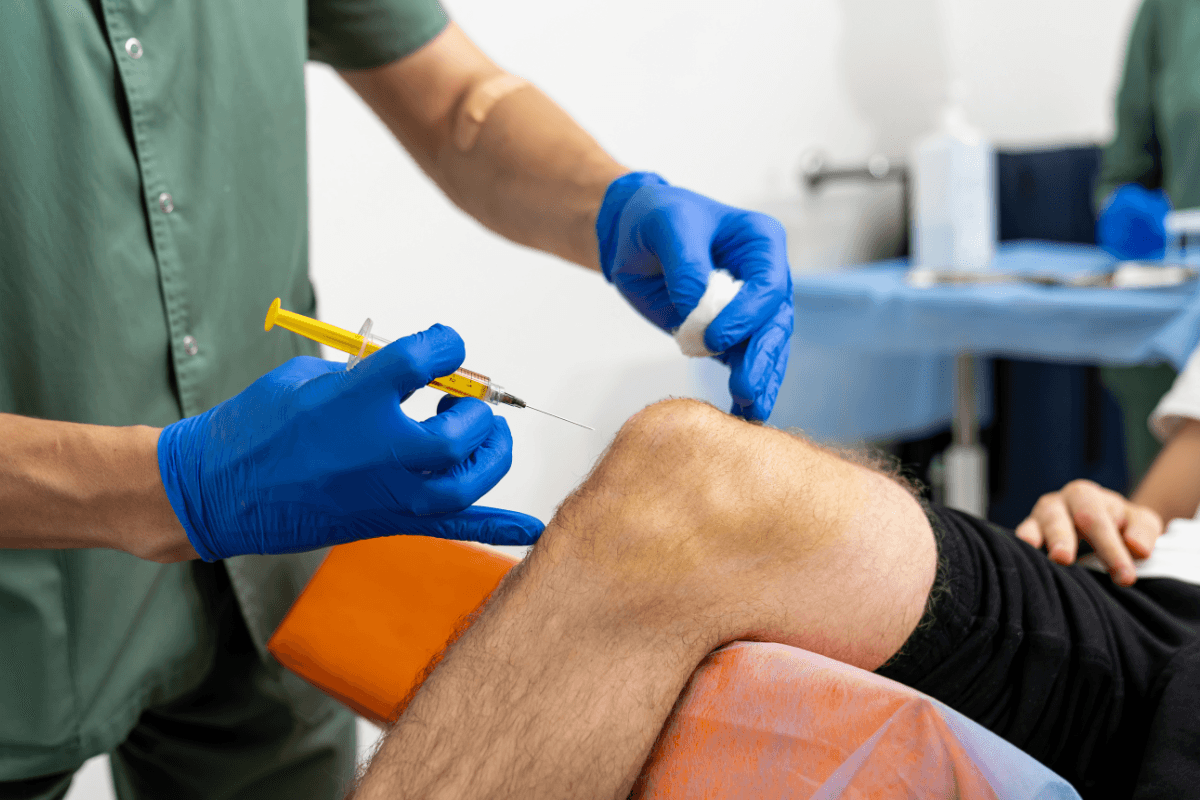
Some decisions arrive wearing the costume of science but feel, in practice, like questions of mood, trust, and timing.
That is often what happens when people encounter names like Synvisc and Durolane. On paper, the comparison sounds tidy, almost administrative, as if the choice belongs entirely to charts, appointment rooms, and neat folders with tabs. But outside that setting, the subject takes on a different texture. It becomes part of a much older human story: the search for relief, and the quiet negotiations people make with their own expectations.
Joint discomfort has a way of changing the atmosphere of ordinary life. Not dramatically, not always. Sometimes it just edits the edges. Stairs become something to notice. Long walks become something to calculate. Getting up from a chair becomes a tiny conversation between intention and hesitation. Because of that, any treatment discussed in that world is never just a treatment in the imagination. It becomes a symbol, too.
The language of comparison
We live in an age that loves matchups. One thing versus another feels reassuring. It suggests clarity. It promises that every choice can be narrowed into columns and settled with enough confidence.
Yet health-adjacent choices rarely behave that neatly in real life. People do not arrive at them as blank slates. They bring stories from friends, half-remembered conversations, internet searches late at night, and their own layered history with pain, patience, and disappointment. By the time two product names are placed side by side, the comparison is already carrying far more than labels.
That is partly why these pairings catch attention. They seem to offer a shortcut through uncertainty. If one option can be stacked against another, then perhaps the feeling of ambiguity softens. Perhaps the future becomes easier to picture.
Relief is never purely technical
There is something striking about how quickly practical decisions become emotional when the body is involved. A person may begin by looking for a straightforward answer and end up thinking about routine, confidence, or even identity.
What does it mean to move through the day without negotiating every step? What does it mean to hope again, but carefully? What does it mean to consider a clinical option while still carrying a private fear of being let down?
These are not dramatic questions, but they are real ones. And they sit quietly underneath many conversations that sound, on the surface, like simple comparisons.
The names themselves can start to feel bigger than they are. They become shorthand for possibility. One may sound familiar because it has been mentioned more often. Another may feel newer, cleaner, or somehow more modern, even if that impression comes mostly from tone rather than certainty. Human beings are remarkably responsive to feeling, especially when trying to make peace with discomfort.
The clinic and the kitchen table
There is also an interesting split between how choices are framed in professional settings and how they are discussed everywhere else.
In a clinic, the conversation may feel contained, orderly, translated into manageable terms. At home, it becomes more porous. A name is repeated over dinner. A question resurfaces during a walk. Someone searches again, hoping the next phrasing will make everything feel more obvious. The decision leaves the room and joins the rest of life.
That is where comparison takes on its most human form. Not as a debate between products, but as a reflection of how people live with uncertainty. We want the body to be understandable. We want comfort to be legible. We want choice to feel less like guesswork and more like recognition.
And still, there is usually no perfect narrative waiting at the end. Only a set of impressions, conversations, and personal thresholds.
Why these topics linger
Subjects like this stay with people because they sit at the crossroads of medicine, hope, routine, and self-perception. They are not just about symptom management in the abstract. They are about whether daily life might feel more fluid, more familiar, less interrupted.
That is a subtle but meaningful distinction.
When people compare options for joint discomfort, they are often comparing futures, even in a modest way. Not grand transformations. Just different versions of the week ahead. A slightly easier errand. A less cautious morning. A return to movement that feels less negotiated.
Maybe that is why the tone around these decisions can feel so charged, even when the words themselves seem technical. The body has a way of turning vocabulary into atmosphere.
For a glimpse of how that comparison is commonly framed, the source discussion is here. What stands out most, though, is not simply the presence of two names. It is the familiar human wish beneath them: to find a path back to ordinary ease, and to believe that ordinary ease still belongs to you.